
Best Sellers
Antique Furniture and Decor
Antique Furniture and Decor
Antique Furniture and Decor
Antique Furniture and Decor
Antique Furniture and Decor
Antique Furniture and Decor
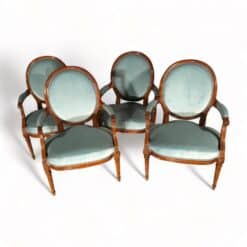
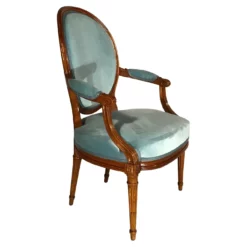
Antique and Vintage Seating
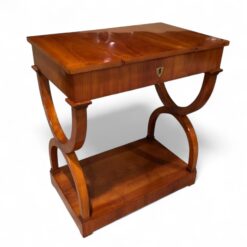
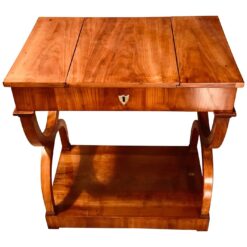
accent tables
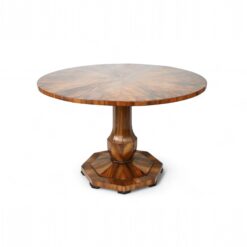
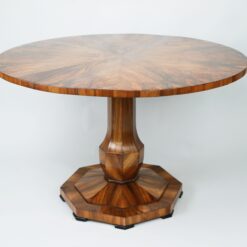
Antique Furniture and Decor
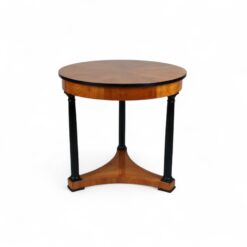
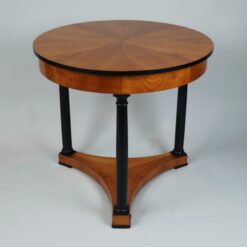
Antique Furniture and Decor
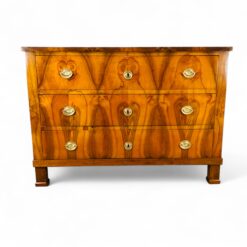
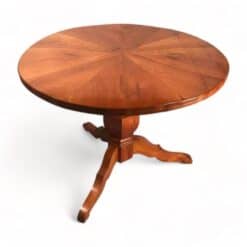
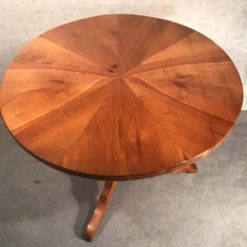
19th Century Fine Biedermeier Cherry Table. Vienna, c. 1830.
Antique Furniture and Decor
Antique Furniture and Decor
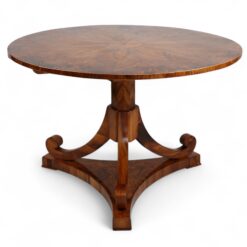
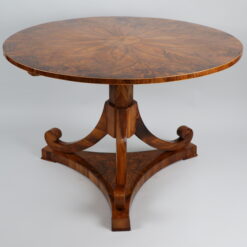
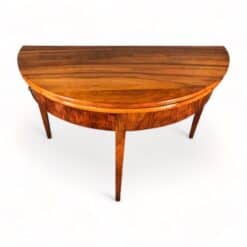
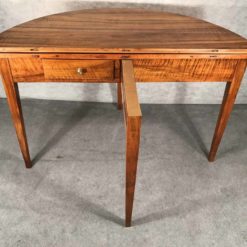
19th Century Fine Biedermeier Walnut Table. Vienna, c. 1825.
Decoration Tips, Design Philosophy, Furniture
Why Timeless Design Is Mostly a Myth (and Why That’s Okay)
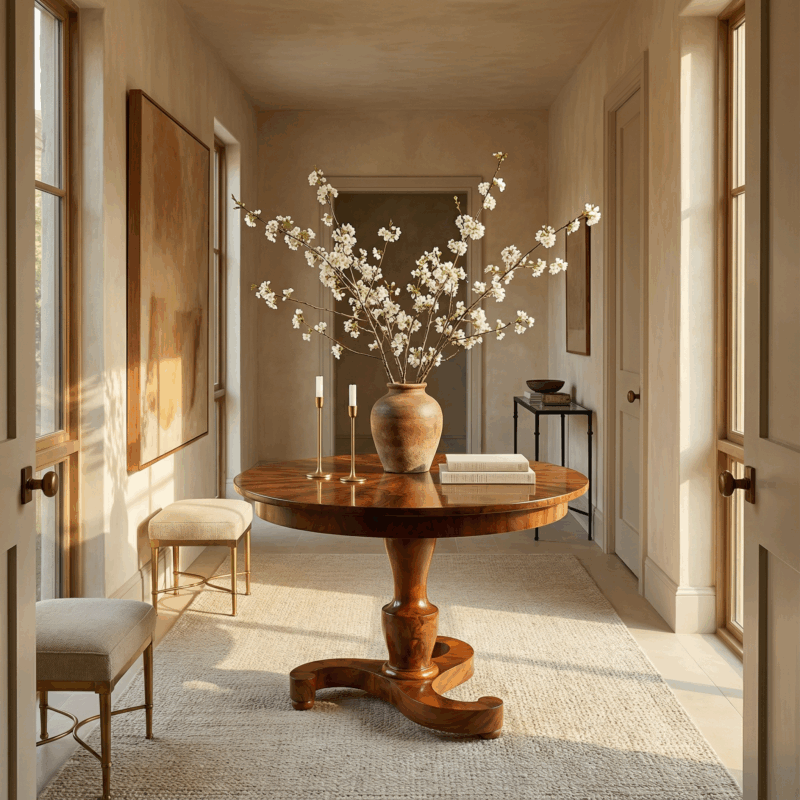
Timeless design has long been the gold standard in interior design. Designers promise it, private clients request it, and high-end furniture brands build their entire identity around it. The idea feels safe: invest in curated furniture once, avoid trends, and live with your choices forever.
But in reality, timeless design is mostly a myth — and understanding that can lead to better interiors, stronger sourcing decisions, and more meaningful investments in antique furniture and collectible design.
The Idea of Timeless Design in Interior Design
When designers and private clients talk about timeless design, they’re rarely talking about style alone. They’re talking about longevity, confidence, and fear of regret.
Timeless design is often positioned as the opposite of trend-driven interiors. Neutral palettes, familiar silhouettes, and “safe” design objects are presented as the solution. But over time, this approach has flattened the idea of quality into sameness.
Ironically, many interiors built around so-called timeless furniture end up feeling dated faster than spaces built with more character.
Design Has Always Been Shaped by Its Time
Every design era believed it was creating timeless design.
Mid-century modern furniture, now considered a benchmark of timelessness, was once highly experimental. Art Deco antiques were bold, graphic, and unapologetically contemporary. Even classical antique furniture was deeply connected to the materials, craftsmanship, and social structures of its time.
What we now call timeless design is often just design that endured — not because it avoided personality, but because it embraced it fully.
When Timeless Design Becomes “Safe Design”
In many contemporary interiors, timeless design has become synonymous with safe design. This affects both interior designers and private clients in different ways.
For designers, it can limit creative expression and reduce interiors to formulaic solutions. For private clients, it can result in homes filled with high-end furniture that feels correct but emotionally distant.
Safe interiors tend to rely on:
-
predictable furniture choices
-
neutral, trend-avoiding palettes
-
design objects chosen to blend in
The result? Spaces that are pleasant, but forgettable — and often less enduring than more expressive interiors.
What Actually Makes Furniture and Design Objects Last
If timeless design isn’t the answer, what creates longevity in interiors?
Across curated furniture collections, antique furniture, and collectible design, the pieces that last tend to share the same core qualities.
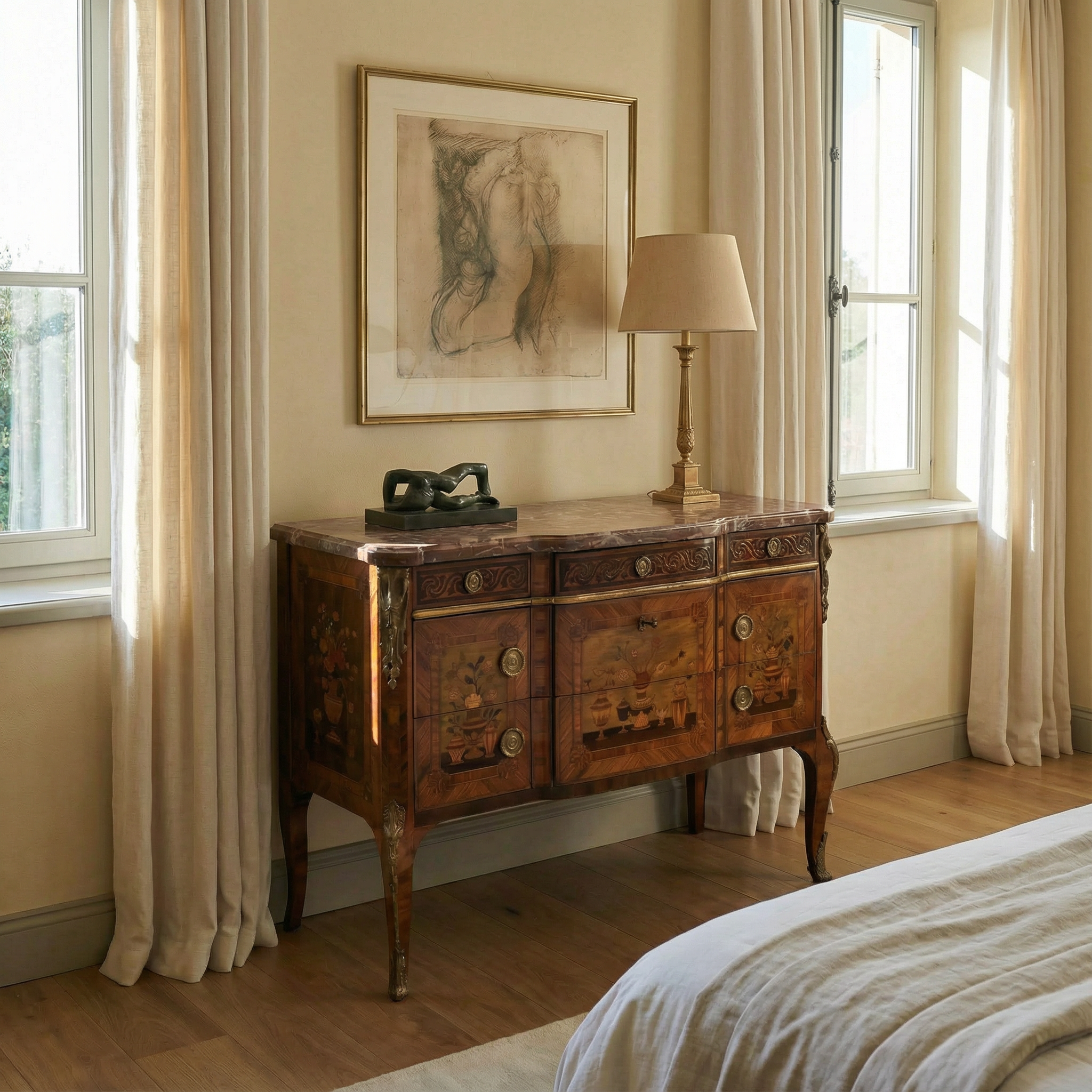
Strong Proportions
Good proportions are one of the most consistent markers of enduring design. Whether antique or contemporary, well-proportioned statement furniture adapts easily to new contexts.
Honest Materials
Solid wood, stone, metal, and patinated surfaces age visibly — and beautifully. These materials give antique furniture and unique furniture pieces their long-term appeal.
Clear Design Intent
Enduring design objects know what they are. They don’t chase multiple trends or try to appeal to everyone.
Emotional Value
Furniture people connect with emotionally is furniture they keep. Emotional attachment consistently outlasts stylistic relevance.
These qualities matter far more than whether a piece fits a narrow definition of timeless design.
Timeless Design vs Enduring Design
A more useful concept than timeless design is enduring design.
Enduring design accepts change. It allows furniture and design objects to be recontextualized, restyled, and mixed across eras. This is why mixing antique and modern furniture remains one of the most effective interior design strategies.
An antique dining table paired with contemporary seating doesn’t feel dated — it feels intentional. A collectible design chair can anchor a modern interior while adding depth and contrast.
The interior evolves. The curated furniture remains relevant.
Why This Matters for Interior Designers and Private Clients
For interior designers, abandoning the myth of timeless design creates better sourcing conversations. It shifts the focus from risk avoidance to curation, allowing for stronger narratives and more distinctive interiors.
For private clients, it removes the pressure to make “forever decisions.” Instead, it encourages investing in fewer, better pieces — statement furniture and design objects chosen for quality, craftsmanship, and emotional resonance.
This mindset aligns naturally with high-end furniture marketplaces focused on curated furniture and project-based interior design sourcing.
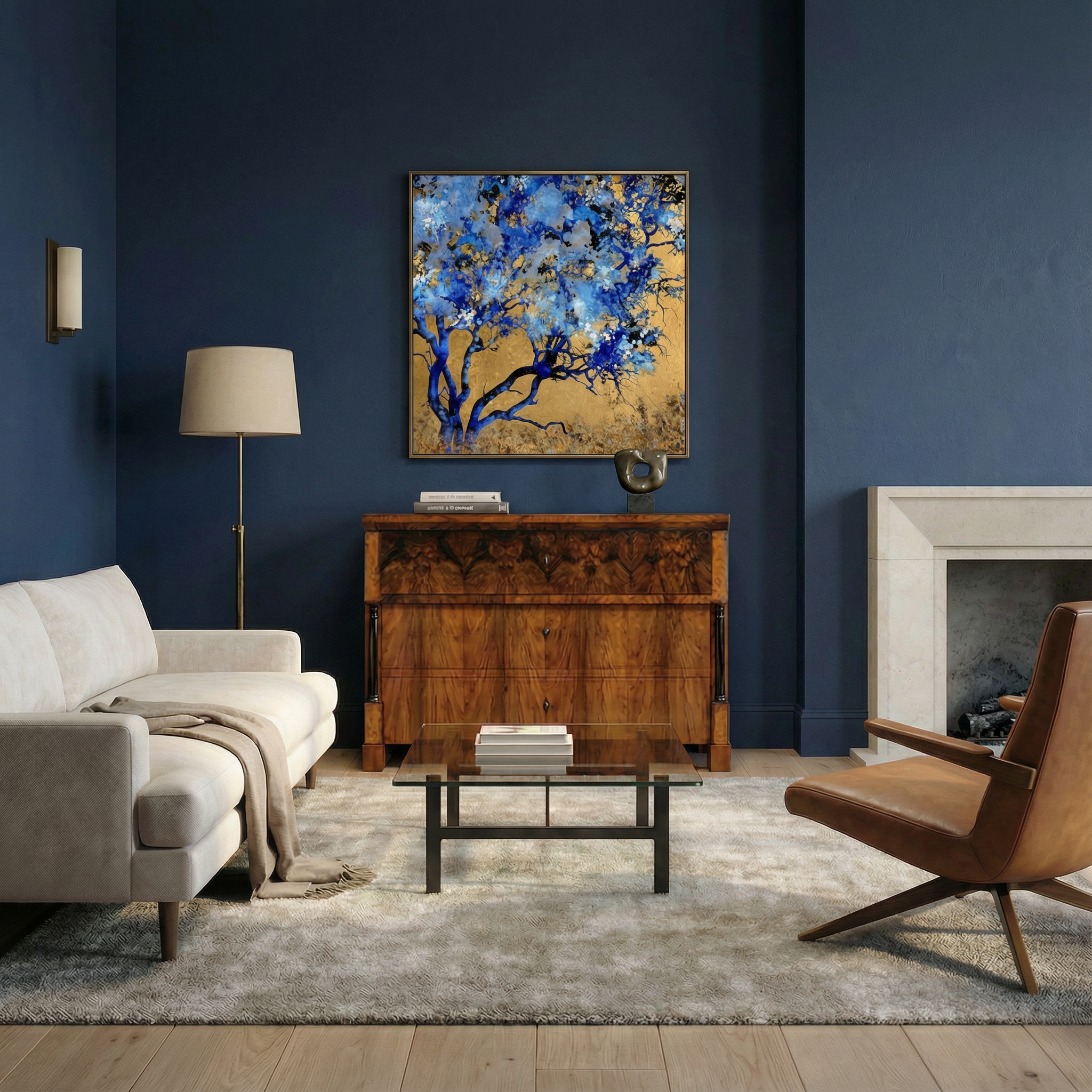
Buying Furniture With Longevity in Mind
Designing with longevity doesn’t mean designing without personality.
Choosing a statement furniture piece today doesn’t lock an interior into a single aesthetic. It creates a foundation around which other elements can change. Antique furniture and collectible design are especially effective in this role because they already carry history and character.
Unique furniture pieces don’t need to be timeless to last. They need to be well made, well chosen, and thoughtfully placed.
Is Timeless Design a Myth?
Yes — mostly.
But the desire behind timeless design is valid. Designers and private clients want interiors that feel confident, intentional, and durable over time. When we replace timelessness with endurance, interiors become richer, more personal, and more flexible.
And in the long run, that’s what makes design truly last.

Silke Berlinghof
People also buy
Antique Furniture and Decor
Antique Furniture and Decor
Antique Furniture and Decor
Antique Furniture and Decor
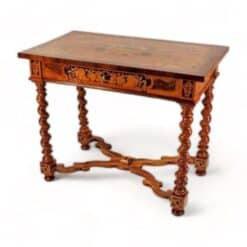
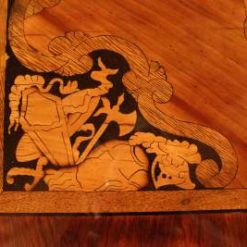
German Baroque Table, 18th century, With Marquetry Decor, Antique
Antique Furniture and Decor
Antique Furniture and Decor
Antique Furniture and Decor
Antique Furniture and Decor
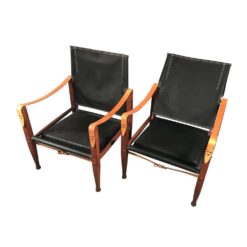
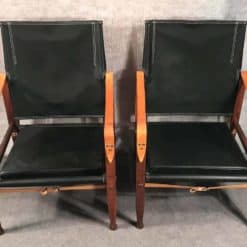
Accent chairs
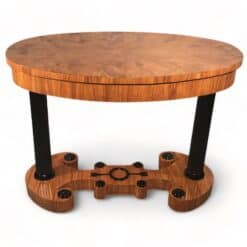
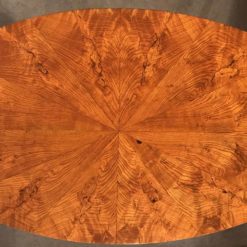
Antique Furniture and Decor

Antique Furniture and Decor