In an age of mass production, rapid trend cycles, and furniture designed for temporary use, antique chairs continue to offer something increasingly rare: authenticity. They embody centuries of craftsmanship, regional traditions, and design principles that remain as relevant today as when they were first created. While English antiques often dominate discussions of historic furniture, many […]
Category Archives: Furniture
When exploring antique and vintage furniture, terms such as Louis XVI, Empire, and Neoclassical furniture are often used interchangeably. While these styles share a common heritage rooted in classical antiquity, each represents a distinct chapter in design history with its own characteristics, influences, and aesthetic appeal. For collectors, interior designers, and discerning homeowners, understanding the […]
Among the great names of Italian mid-century modern design, Carlo di Carli stands out for his refined and understated aesthetic. While collectors often focus on Gio Ponti, Osvaldo Borsani, or Ico Parisi, Carlo di Carli has gained increasing recognition for his sophisticated approach to furniture design and architecture. His work combines sculptural form, elegant proportions, […]
American furniture is often described through familiar labels such as Colonial, Queen Anne, Chippendale, or Federal. Behind these distinctly American styles lies a far more layered story. During the 18th century, multiple European furniture traditions and 18th century furniture styles converged in the colonies Immigrants, craftsmen, merchants, and ideas crossed the Atlantic continuously throughout the […]
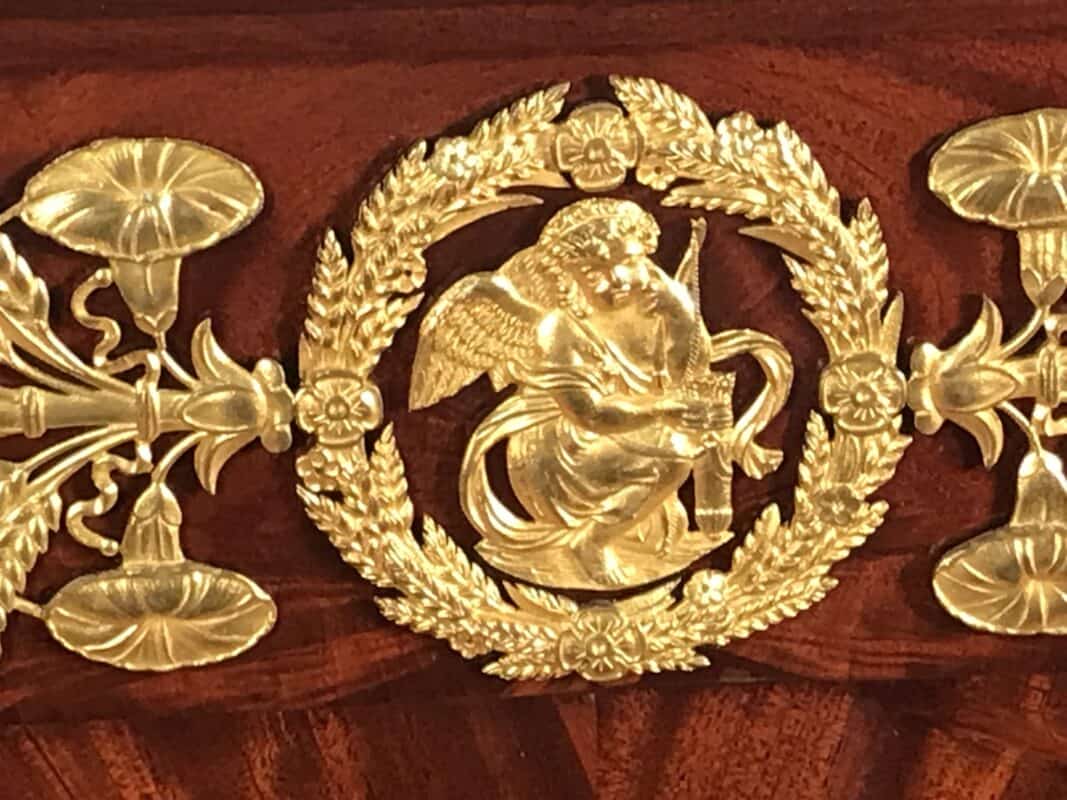
Often overlooked, metal fittings are one of the clearest indicators of quality, origin, and intention in furniture design. From solid bronze mounts on 18th-century case pieces to the sleek chrome lines of Italian modernism, these details do far more than serve a function. They reveal how a piece was made, how it was meant to […]
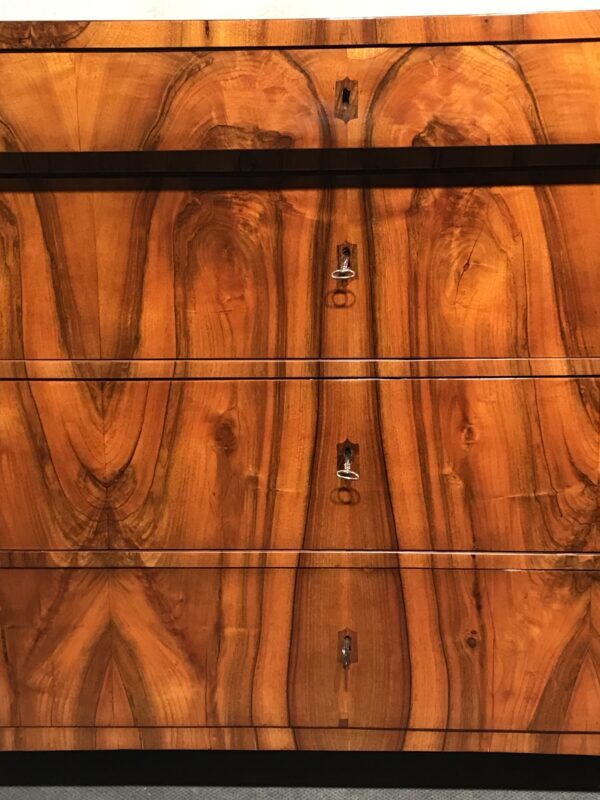
At first glance, Biedermeier furniture belongs firmly to the early 19th century. Emerging in Central Europe between 1815 and 1848, it is often positioned as a historical style—refined, restrained, and rooted in a specific cultural moment. And yet, when placed in a contemporary interior, Biedermeier pieces feel unexpectedly current. This is not accidental. The visual […]
Sourcing antique furniture is not simply about finding beautiful objects—it’s about shaping a space with intention. For designers and discerning private clients alike, antiques introduce depth, contrast, and a sense of permanence that contemporary pieces rarely achieve. But knowing how to source antique furniture—efficiently, intelligently, and within the context of a project—is what transforms a […]
In the decades between 1960 and 1980, the European coffee table design underwent a quiet but profound transformation. No longer just a functional surface placed in front of a sofa, it became a central design statement—often the visual anchor of a room. Across Europe, designers began to treat the coffee table as a sculptural object, […]
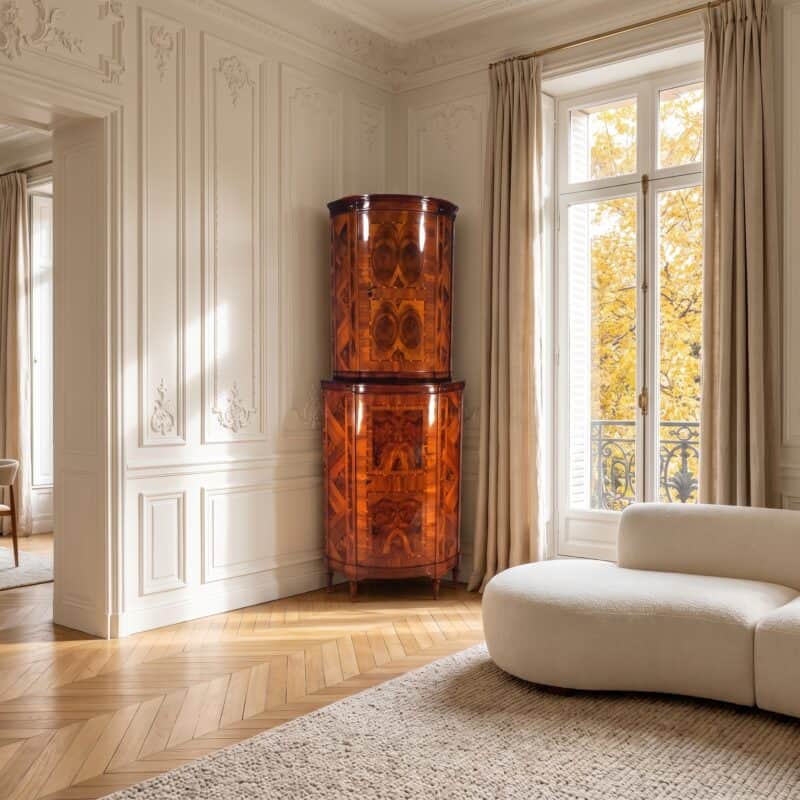
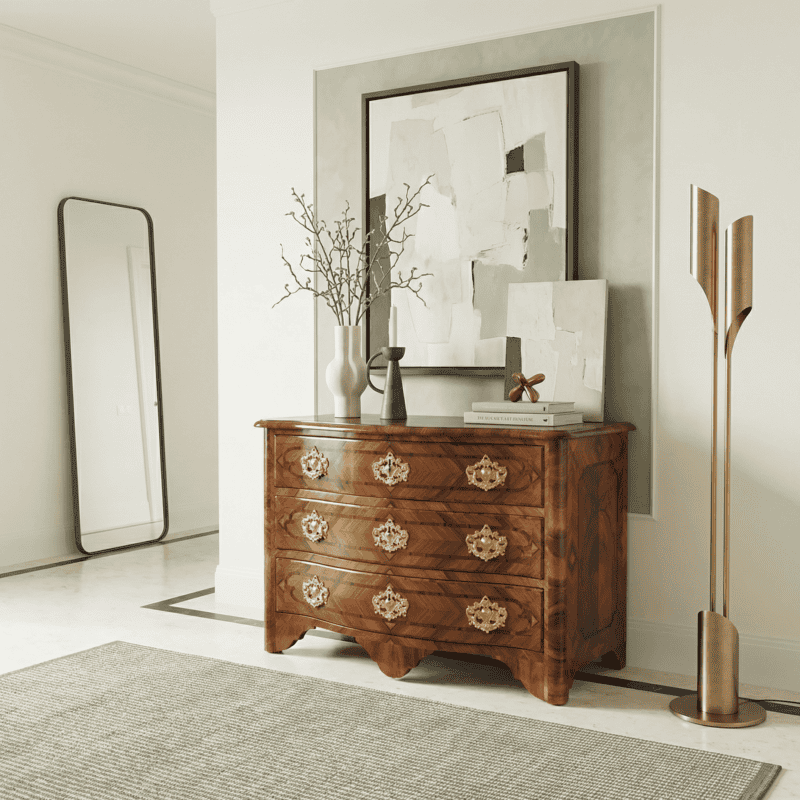
Among the many furniture traditions of 18th-century Europe, German Baroque chest of drawers remain some of the most visually striking yet least widely discussed. While French commodes and Italian Baroque cabinets often dominate the conversation, German workshops developed a distinctive approach that combined strong architectural structure with the natural beauty of walnut and other local […]
Few pieces of furniture embody the intellectual and social shifts of European domestic life as clearly as 18th and 19th century secretary desks. More than a writing surface, it was a private chamber in miniature — a cabinet of correspondence, accounts, secrets, and ambition. Between the 18th and 19th centuries, the secretary desk evolved dramatically […]