
Best Sellers
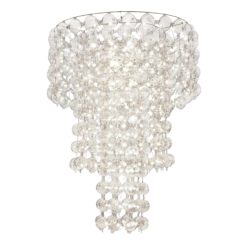
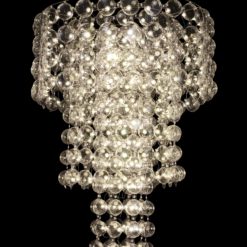
Chandeliers
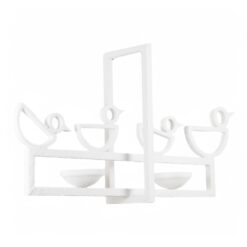
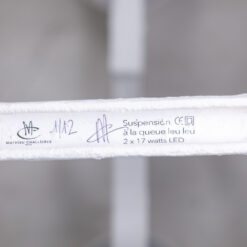
Chandeliers

Chandeliers
Floor and Table Lamps`
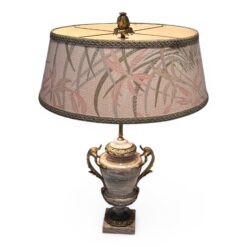
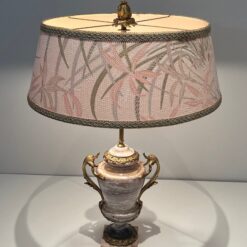
Large Louis XV Style Lamp Made of Marble and Decorated with Decorative Bronze Elements
Chandeliers
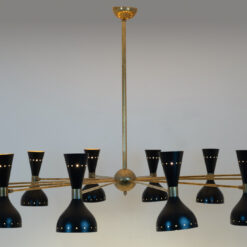
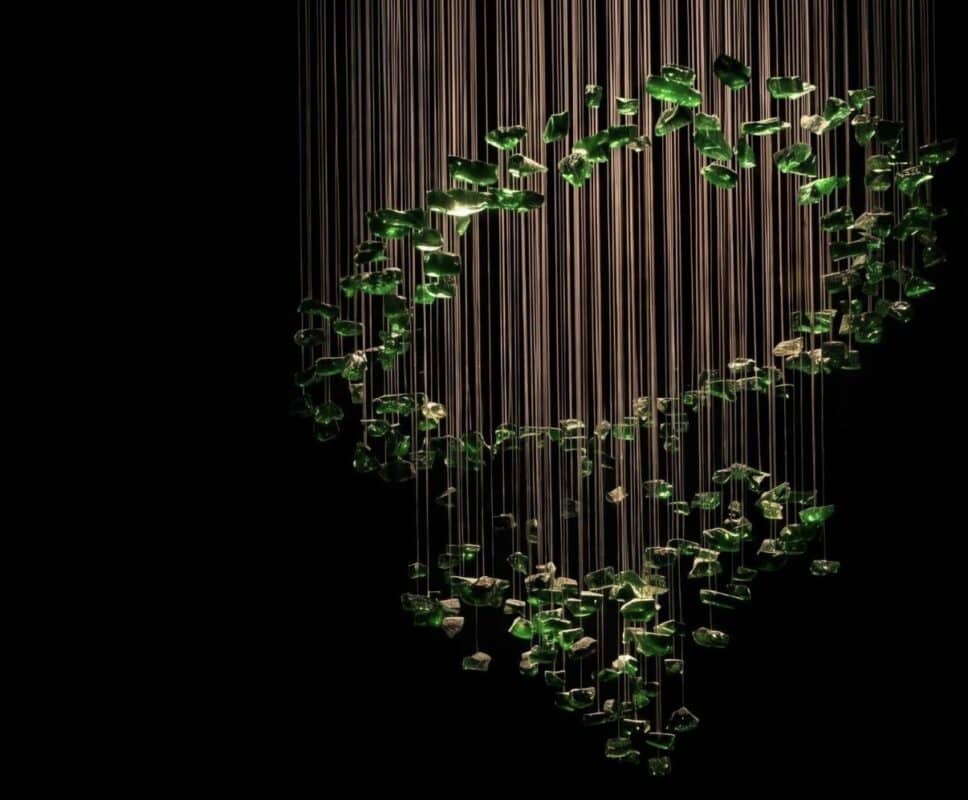
Interior design trends have shifted away from purely minimal environments toward spaces that feel personal, curated, and emotionally engaging. crystal lighting plays an important role in this evolution.
A growing number of designers are mixing antique and contemporary elements to create interiors with individuality and narrative. Crystal chandeliers are particularly effective because they combine decorative richness with functional light.
In contemporary spaces, designers often use:
- oversized Italian chandeliers above minimalist dining tables
- Art Deco pendant lights in modern entryways
- Murano glass fixtures in neutral interiors
- crystal lighting as sculptural focal points
This contrast between historical craftsmanship and contemporary architecture creates interiors that feel sophisticated rather than staged.
Murano Glass and Italian Crystal Lighting
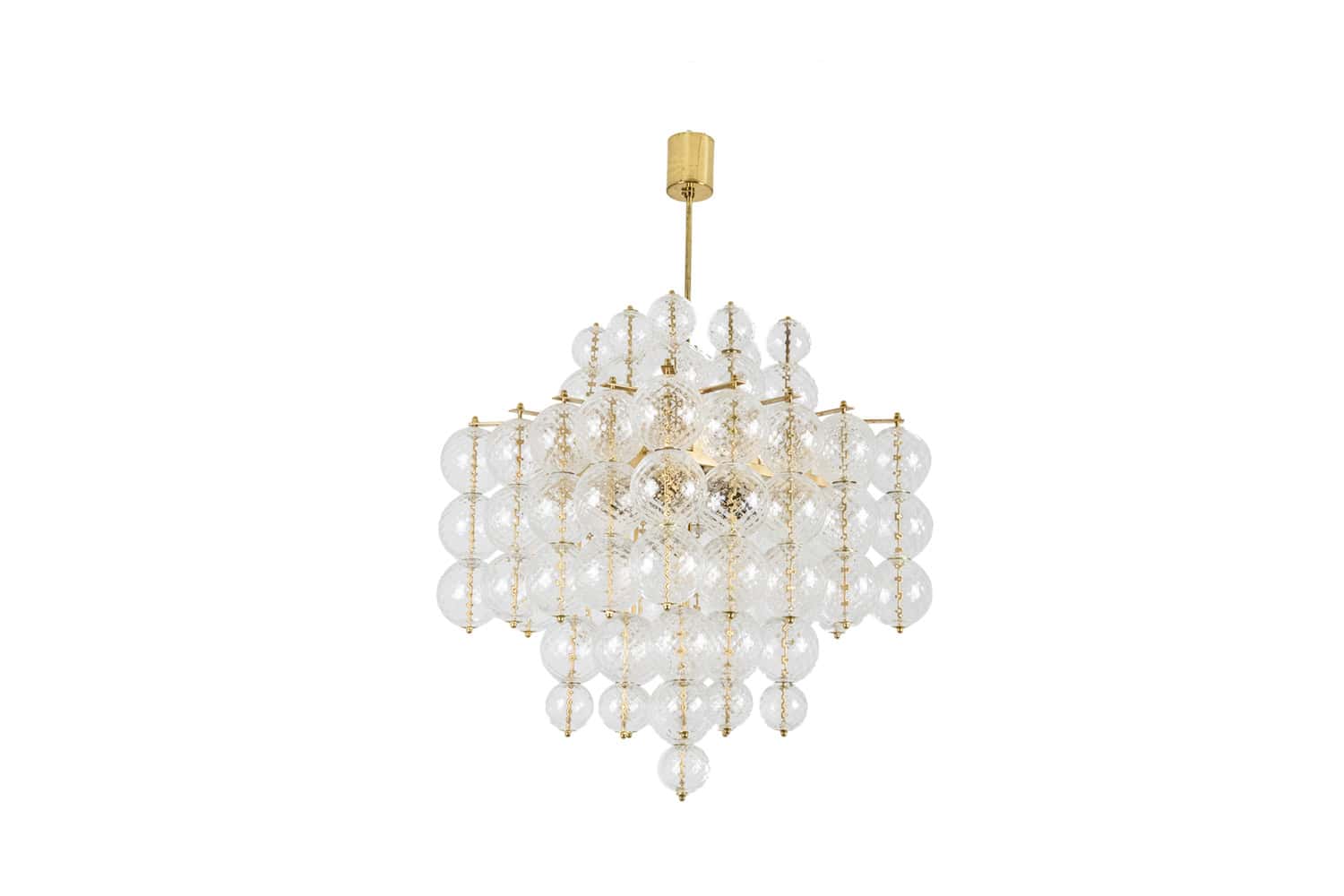
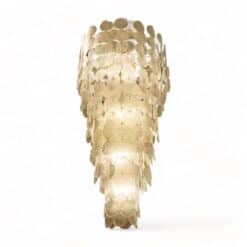
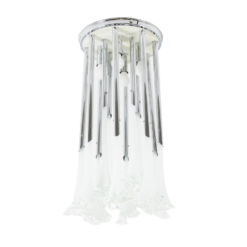
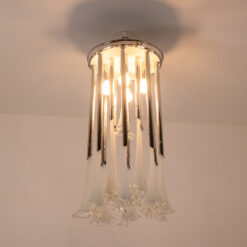
Among the most collectible categories of vintage lighting are Murano glass chandeliers and Italian crystal fixtures from the mid-20th century.
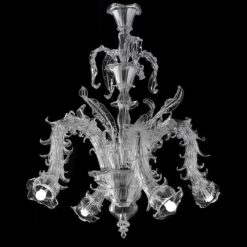
Produced on the Venetian island of Murano, these chandeliers are celebrated for their exceptional craftsmanship, organic forms, and artistic experimentation. Italian lighting designers transformed traditional chandelier forms into modern sculptural compositions during the 1950s, 1960s, and 1970s.
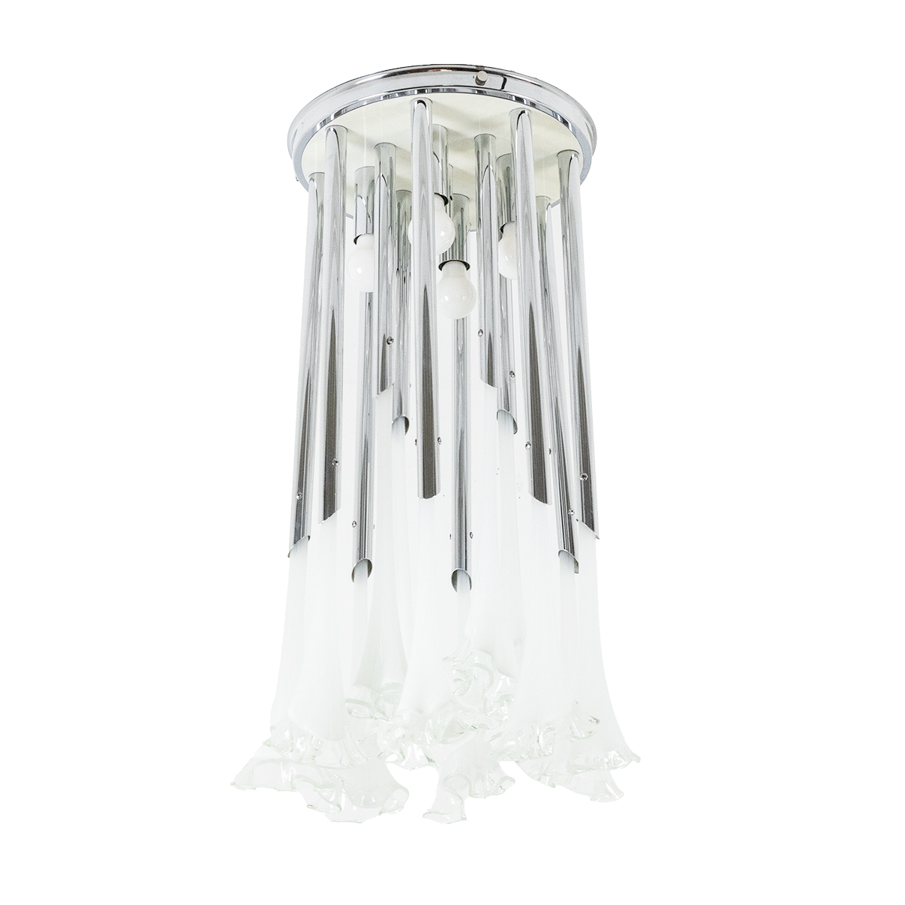
Many vintage Murano chandeliers feature:
- hand-blown glass elements
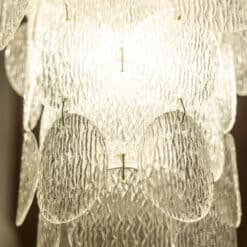
- textured or smoked crystal
- floral or biomorphic forms
- brass or chrome structures
- dramatic scale and layering
Today, these pieces are highly sought after by collectors, architects, and interior designers worldwide.
The appeal of Italian vintage lighting lies not only in its beauty, but also in its rarity and artisanal quality.
Art Deco Crystal Chandeliers
Art Deco lighting remains one of the most iconic periods in decorative arts history. Defined by geometric lines, luxurious materials, and architectural symmetry, Art Deco chandeliers continue to influence contemporary interiors nearly a century later.
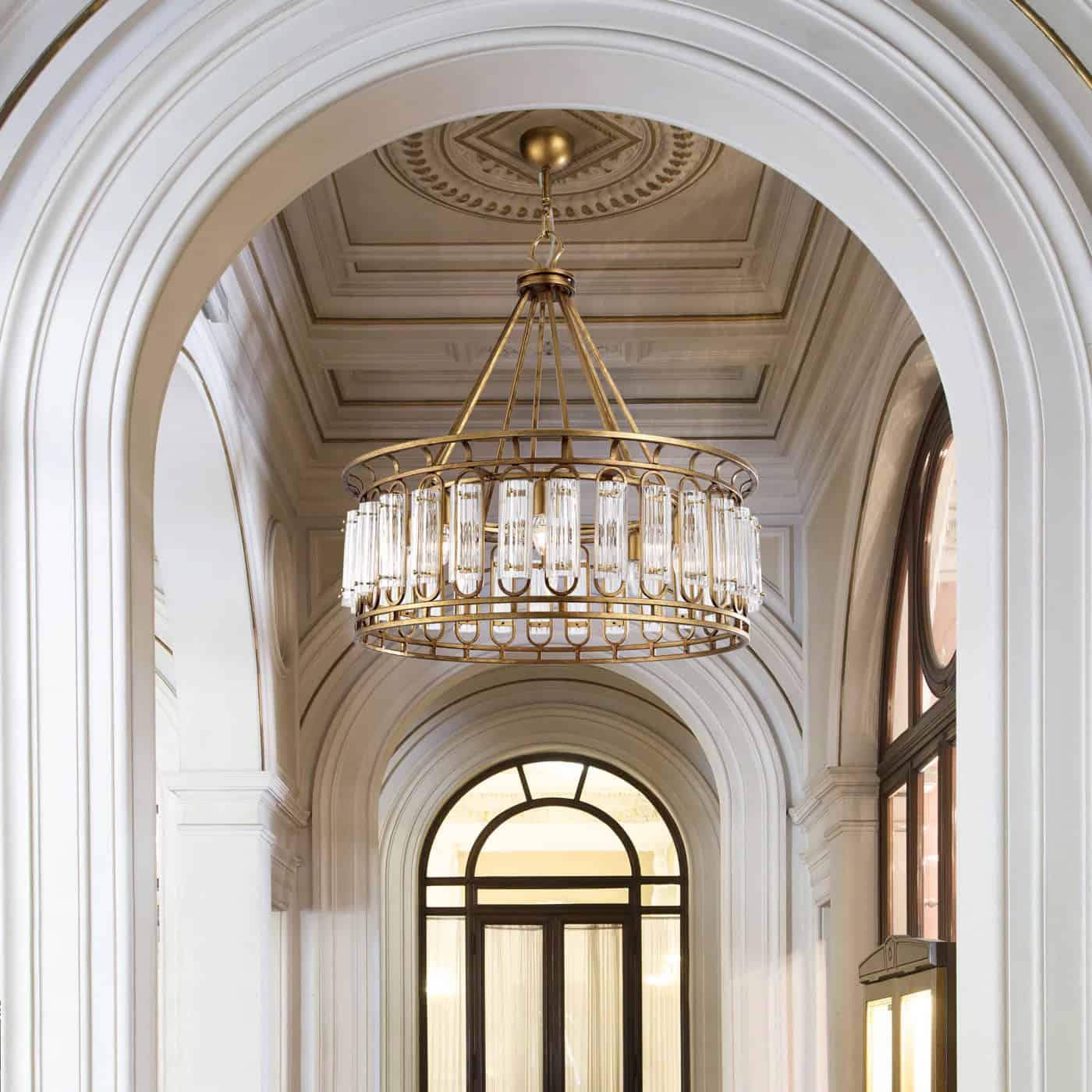
French and German designers of the 1920s and 1930s experimented with:
- frosted and molded glass
- polished chrome
- geometric brass structures
- streamlined silhouettes
- layered crystal compositions
These fixtures often blur the line between lighting and sculpture.
Vintage Art Deco chandeliers work particularly well in contemporary interiors because of their clean architectural forms. They provide glamour without excessive ornamentation and pair naturally with modern furniture and minimalist palettes.
Sustainability and Timeless Design
One of the reasons designers continue to source vintage crystal chandeliers is sustainability.
As interest in sustainable interiors grows, collectors and homeowners increasingly value pieces that already exist rather than newly manufactured products. Vintage lighting represents a more responsible approach to luxury design — one that prioritizes longevity, craftsmanship, and preservation.
Unlike many contemporary fixtures produced in large quantities, vintage chandeliers were often handcrafted using high-quality materials designed to last for generations.
Choosing vintage lighting also reduces:
- industrial waste
- overproduction
- disposable consumption
For many designers, sourcing vintage pieces is both an aesthetic and ethical decision.
How to Style Vintage Crystal Lighting
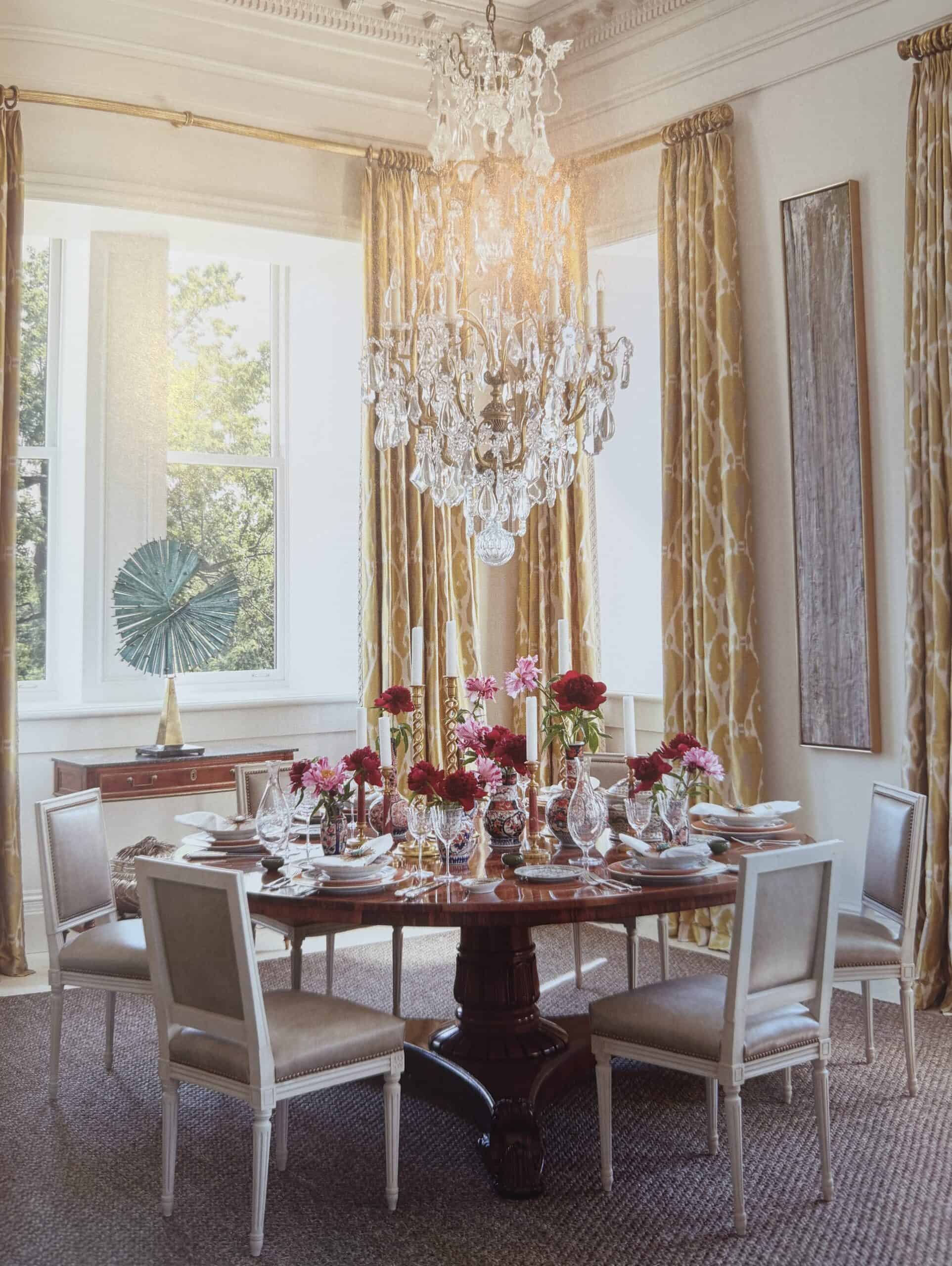
A common misconception is that crystal chandeliers only belong in formal or classical spaces. In reality, they are remarkably versatile.
Some of the most successful interiors today combine:
- vintage chandeliers with contemporary furniture
- minimalist architecture with ornate lighting
- industrial materials with crystal accents
- neutral palettes with dramatic statement fixtures
When styling crystal lighting, scale is essential. An oversized chandelier can anchor a room and create architectural presence, while smaller pendant lights add intimacy and texture.
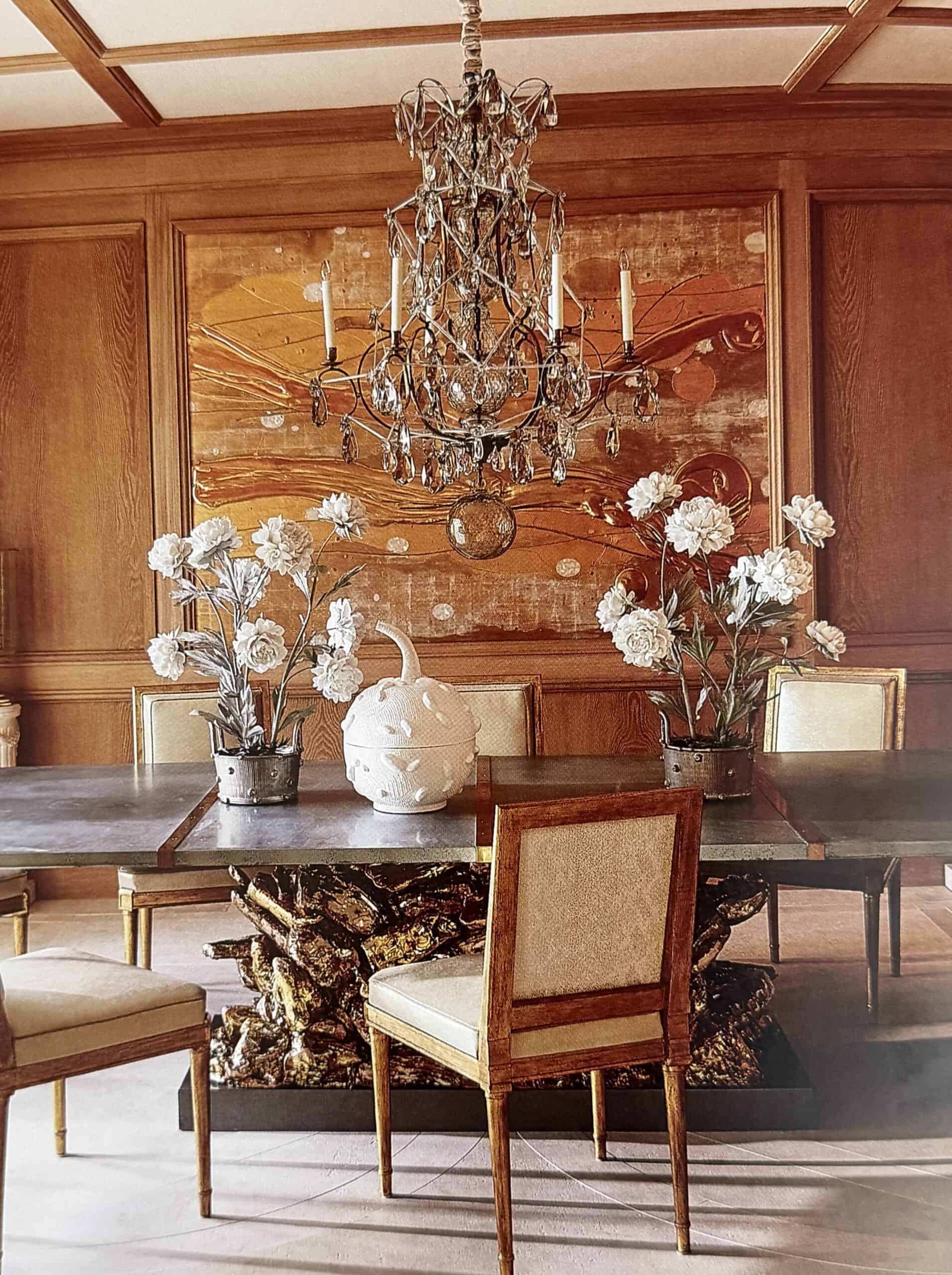
Popular placements include:
- dining rooms
- entry halls
- bedrooms
- dressing rooms
- hotel lobbies
- boutique retail spaces
Even a single crystal pendant can dramatically transform the atmosphere of a room.
Investing in Collectible Lighting
Vintage crystal chandeliers are increasingly viewed as collectible design objects rather than simple functional fixtures.
Pieces by notable makers and workshops — particularly Italian, French, and Scandinavian manufacturers — continue to rise in demand due to their rarity and artistic quality.
Collectors are drawn to:
- authentic patina
- hand-crafted details
- unique forms
- historical provenance
- limited availability
As a result, exceptional vintage lighting often retains long-term decorative and collectible value.
Unlike trend-driven contemporary lighting, well-selected vintage chandeliers transcend changing styles and remain visually relevant for
decades.
Contemporary Crystal Pendant Lights and Sculptural Glass Design
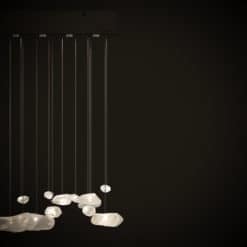
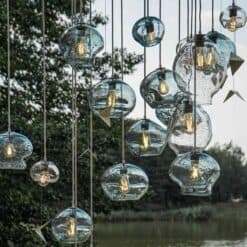
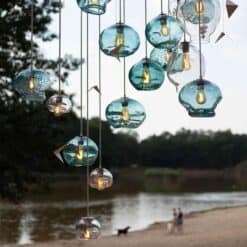
Alongside antique chandeliers and vintage Murano fixtures, contemporary crystal-shaped pendant lights have emerged as an important category in modern decorative lighting. Designers today are increasingly drawn to sculptural glass lighting that combines artisanal craftsmanship with minimalist architectural forms.
Unlike traditional chandeliers, contemporary pendant lights often focus on purity of shape, transparency, and material experimentation. Hand-blown glass spheres, textured crystal forms, and modular suspended compositions create a softer and more contemporary interpretation of luxury lighting.
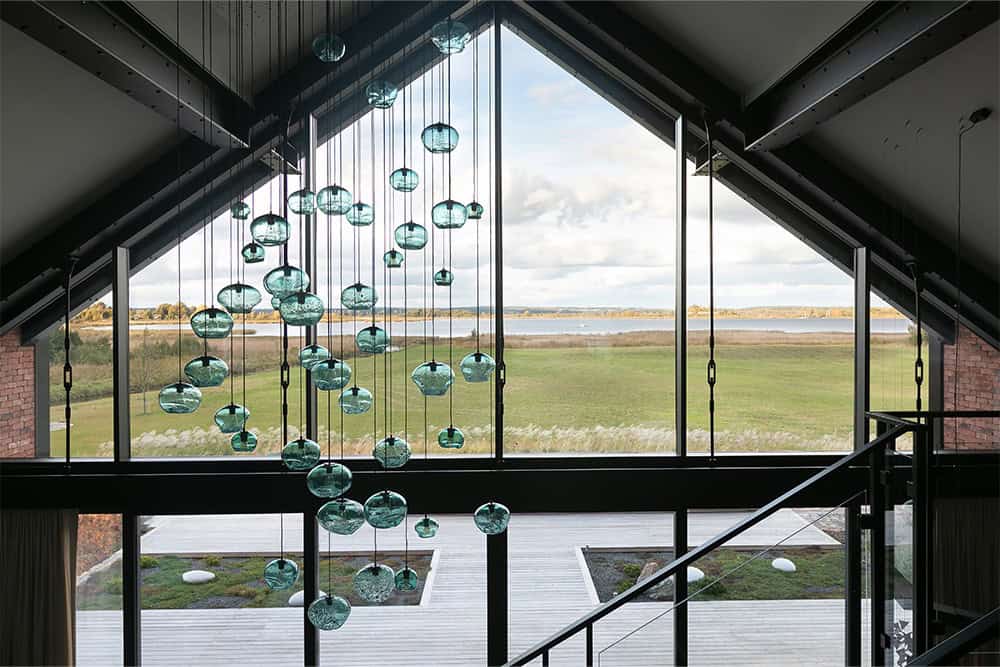
These pieces work particularly well in:
- modern dining rooms
- kitchen islands
- double-height entryways
- boutique hospitality interiors
- gallery-inspired living spaces
Many contemporary crystal pendant lights are influenced by Mid-Century Italian lighting and Space Age design while incorporating advanced glassmaking techniques and integrated LED technology.
Popular contemporary styles include:
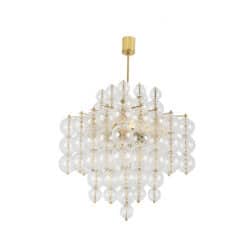
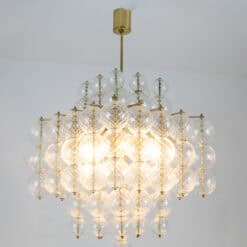
- clear blown glass spheres
- smoked crystal pendants
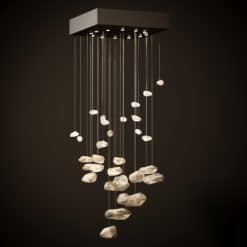
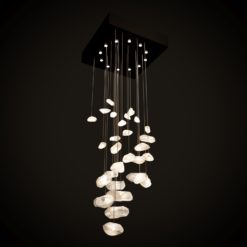
- clustered glass compositions
- organic biomorphic forms
- textured or frosted crystal surfaces
The appeal of contemporary crystal lighting lies in its ability to provide visual lightness while still acting as a sculptural focal point within an interior.
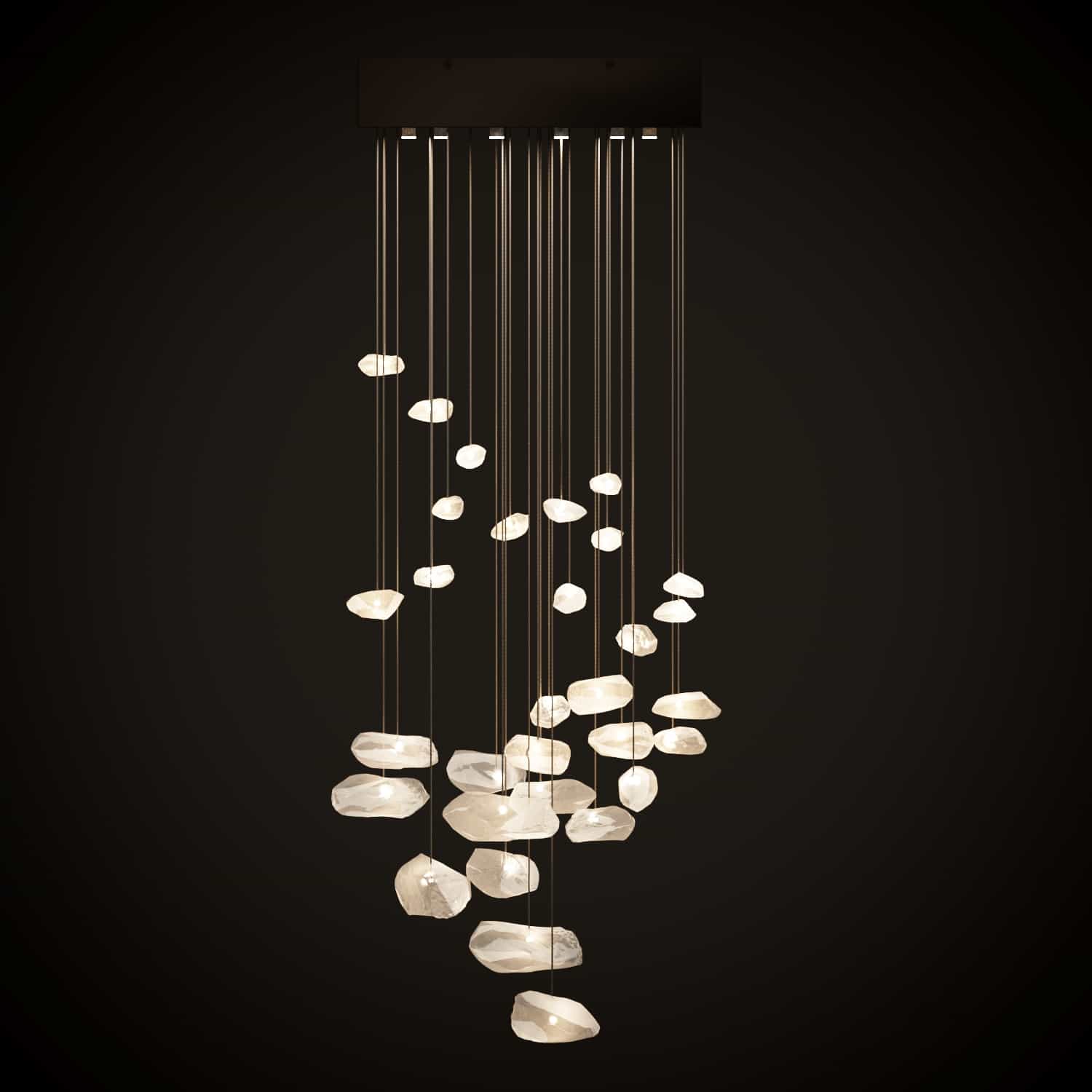
For interior designers, mixing contemporary pendant lights with antique furniture or vintage decorative objects creates layered spaces that feel collected rather than overly designed. This dialogue between old and new has become a defining characteristic of sophisticated contemporary interiors.
As collectible contemporary lighting continues to evolve, crystal and glass pendant fixtures remain among the most versatile and timeless options for creating atmosphere, reflection, and architectural presence.
The Future of Decorative Lighting
As interiors become more curated and expressive, statement lighting will continue to play a central role in design.
Vintage crystal chandeliers and pendant lights offer something increasingly rare in contemporary interiors: authenticity. They introduce craftsmanship, history, and individuality into spaces that might otherwise feel overly uniform.
Whether it is a monumental Murano chandelier, a refined Art Deco pendant, or a sculptural Mid-Century fixture, vintage lighting has the ability to define a room completely.
For designers, collectors, and homeowners alike, crystal lighting remains one of the most powerful ways to combine functionality with timeless decorative art.

Silke Berlinghof
People also buy
Floor and Table Lamps`
Large Louis XV Style Lamp Made of Marble and Decorated with Decorative Bronze Elements
Chandeliers
Chandeliers
Chandeliers
Chandeliers
Chandeliers
Chandeliers
Chandeliers
Pendant Lights