
Best Sellers
Coffee Tables
Coffee Tables
Coffee Tables
Coffee Tables
Bar Carts and Bar Furniture
Coffee Tables
Coffee Tables
Coffee Tables
Coffee Tables
Bar Carts and Bar Furniture
Contemporary Design, Decoration Tips, Mid-century, Tables
European Coffee Table Design, 1960–1980: From Sculptural Minimalism to Radical Forms
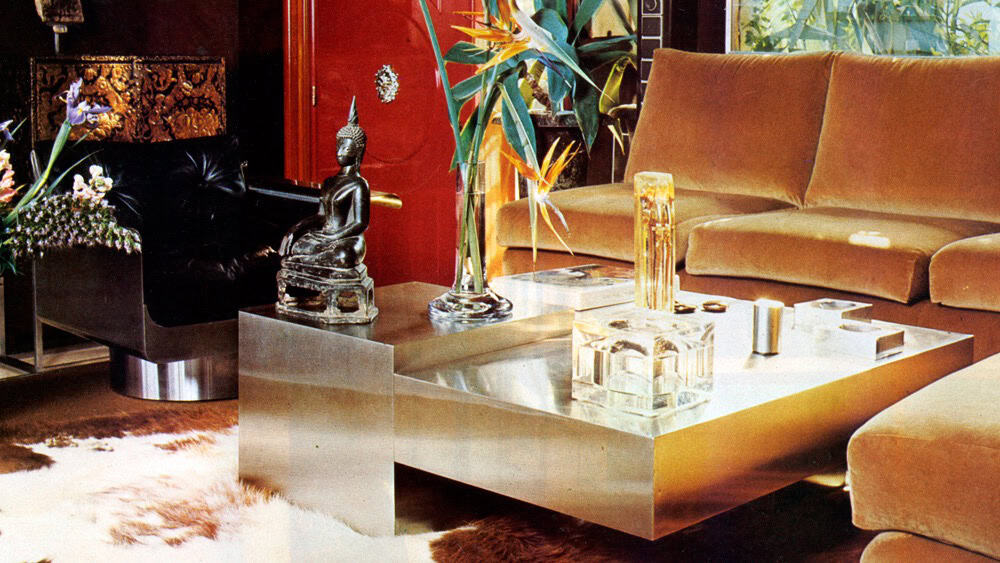
In the decades between 1960 and 1980, the European coffee table design underwent a quiet but profound transformation. No longer just a functional surface placed in front of a sofa, it became a central design statement—often the visual anchor of a room. Across Europe, designers began to treat the coffee table as a sculptural object, experimenting with materials, geometry, and proportion in ways that still feel strikingly contemporary today.
From the glamour of Italian brass and glass to the refined precision of German engineering and the artistic sensibility of French craftsmanship, this period offers a rich and varied landscape of design. For collectors and interior designers alike, these tables are not just furnishings—they are expressions of a cultural shift toward more relaxed, design-conscious living.
The Cultural Shift: Living Lower, Living Differently
The rise of the coffee table as a design object is closely tied to broader changes in how people lived. Interiors in the 1960s and 70s became more informal. Seating dropped lower, modular sofas replaced rigid arrangements, and living rooms evolved into spaces for lounging, conversation, and entertaining.
In this context, the coffee table moved to the center—both physically and visually. It needed to function, but also to define the space. Designers responded by pushing beyond traditional forms, embracing openness, lightness, and sculptural presence.
Italy: Glamour, Geometry, and Material Expression
Italian designers led the transformation of the coffee table into a bold design statement. Their work is characterized by a confident use of luxurious materials—brass, chrome, smoked glass, and stone—combined with architectural forms.
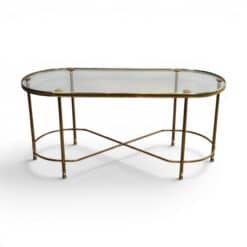
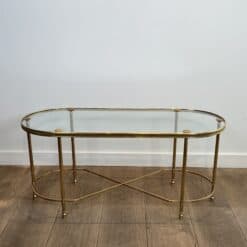
Designers like Willy Rizzo and Romeo Rega created tables that feel both glamorous and structural. Brass frames paired with dark glass tops became iconic, offering a sense of weight and refinement without visual heaviness. These pieces often play with contrast: reflective metal against transparent or tinted surfaces, sharp lines against soft interiors.
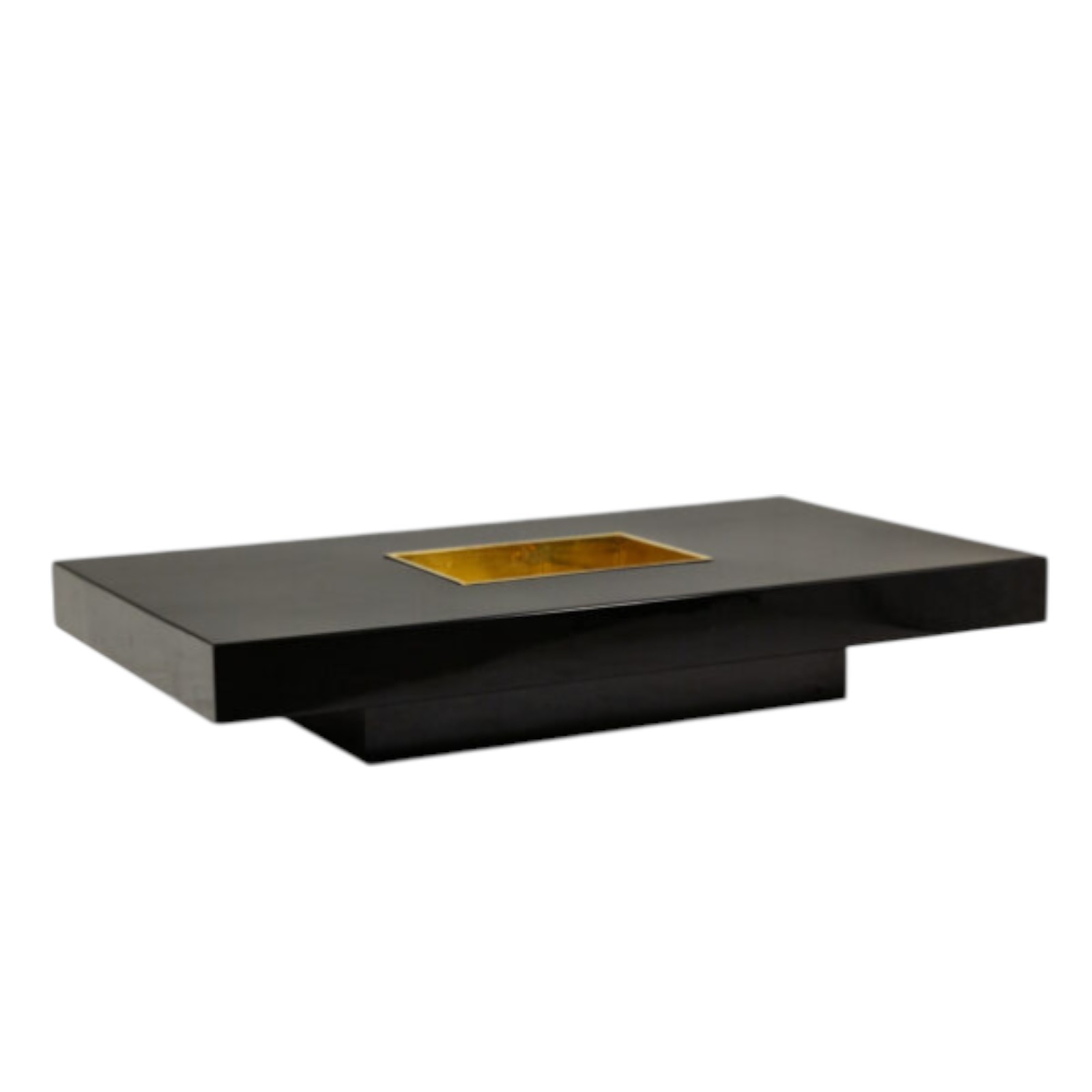
At the same time, figures like Angelo Mangiarotti explored a more minimal, architectural language. His use of travertine and marble resulted in tables that feel monolithic yet balanced—objects that are as much about mass and proportion as they are about function.
Importantly, this period also carries forward the legacy of earlier masters such as Paolo Buffa, whose work—while rooted in a more classical Italian tradition—anticipated the elegance and material sensitivity that would define later decades. Buffa’s refined proportions, use of fine woods, and subtle sculptural detailing offer a quieter counterpoint to the bolder designs of the 1970s. In contemporary interiors, his pieces sit effortlessly alongside more radical forms, adding depth and a sense of continuity within European design.
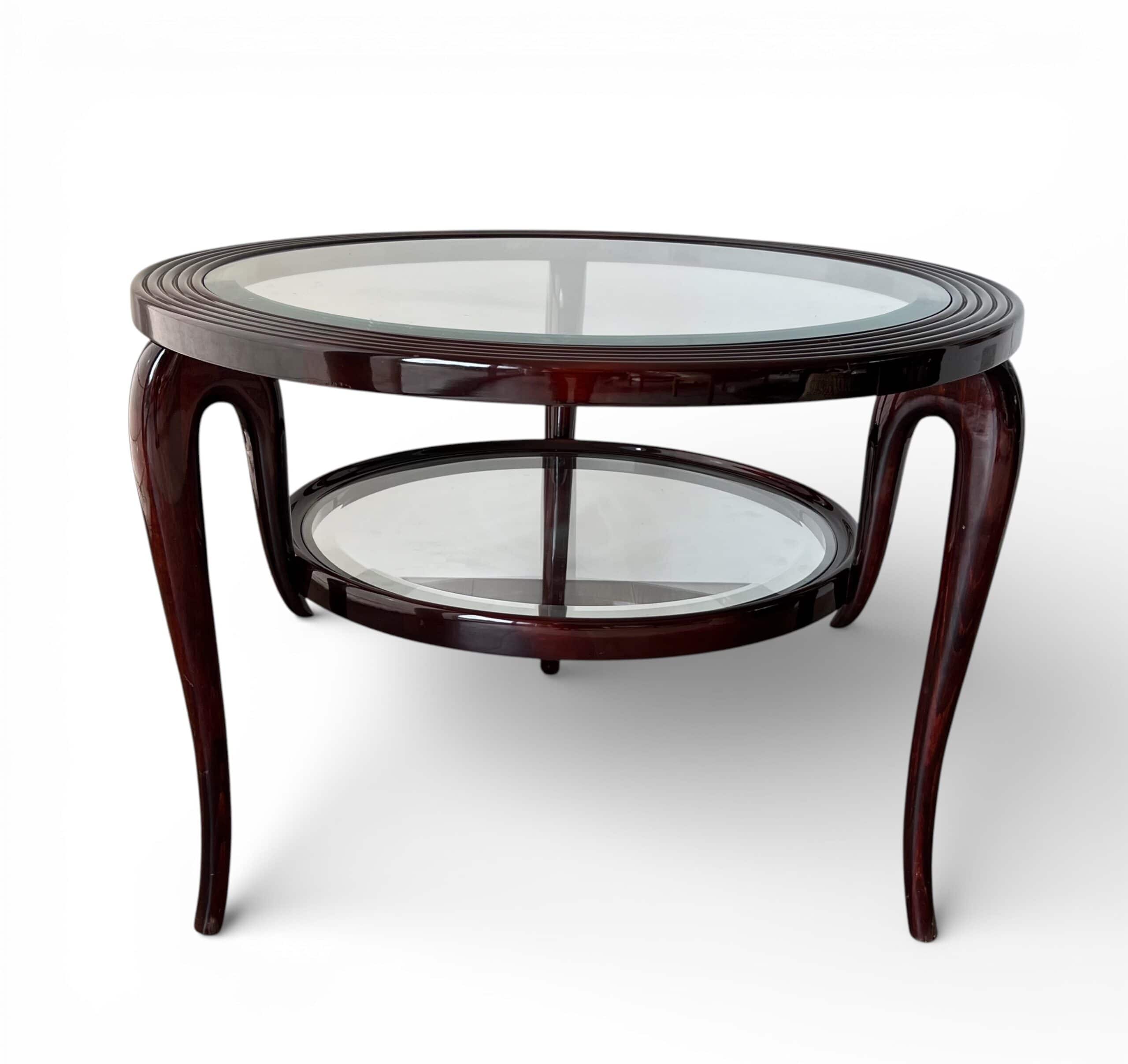
Italy in this period embraced both heritage and experimentation. Coffee tables were no longer passive elements; they became focal points—confident, expressiv, and undeniably modern.
France: Sculptural Craft and Artistic Identity
While Italian design leaned toward glamour and architecture, French designers brought a more artistic and material-driven approach. The coffee table became a canvas for craftsmanship, often blurring the line between furniture and art.
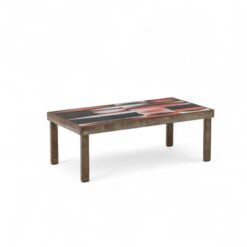
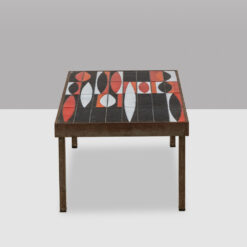
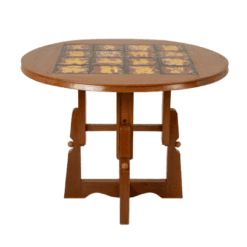
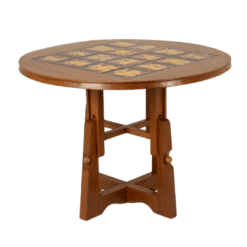
Designers such as Guy Lefèvre (working with Maison Jansen) created elegant, sculptural tables that combined metal frameworks with refined surfaces. In parallel, ceramic artists like Roger Capron introduced tiled coffee tables that added texture, color, and narrative to interiors—turning functional pieces into expressive compositions.
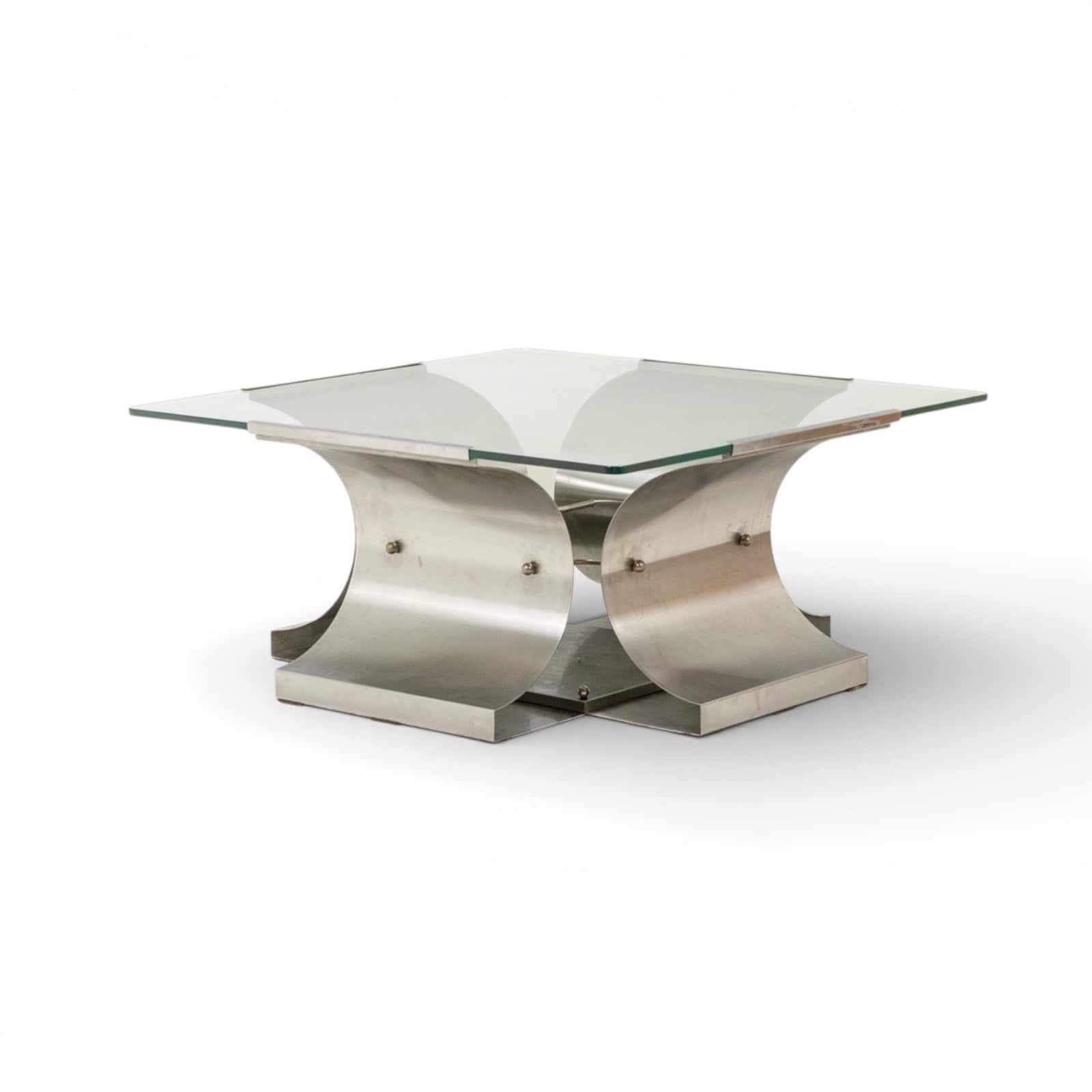
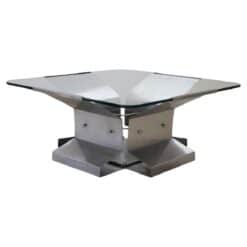
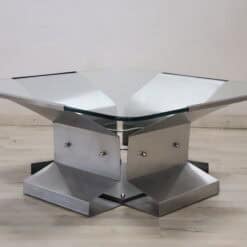
A more radical sculptural direction can be seen in the work of François Monnet, whose designs for Kappa often feature fluid, almost abstract metal bases paired with glass tops. His tables feel dynamic and architectural at once, capturing movement and light in a way that pushes the coffee table firmly into the realm of collectible design.
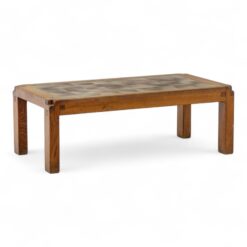
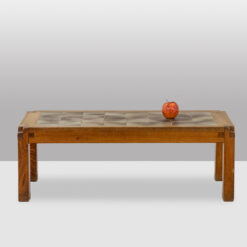
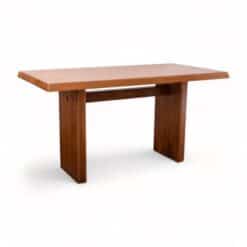
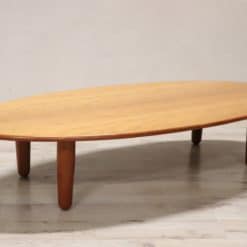
In contrast, Pierre Chapo represents a return to material integrity and structural clarity. Working primarily in solid wood, Chapo’s coffee tables emphasize construction, joinery, and proportion. His designs are grounded, tactile, and quietly monumental—offering a powerful counterpoint to the lightness of glass and metal pieces from the same period.
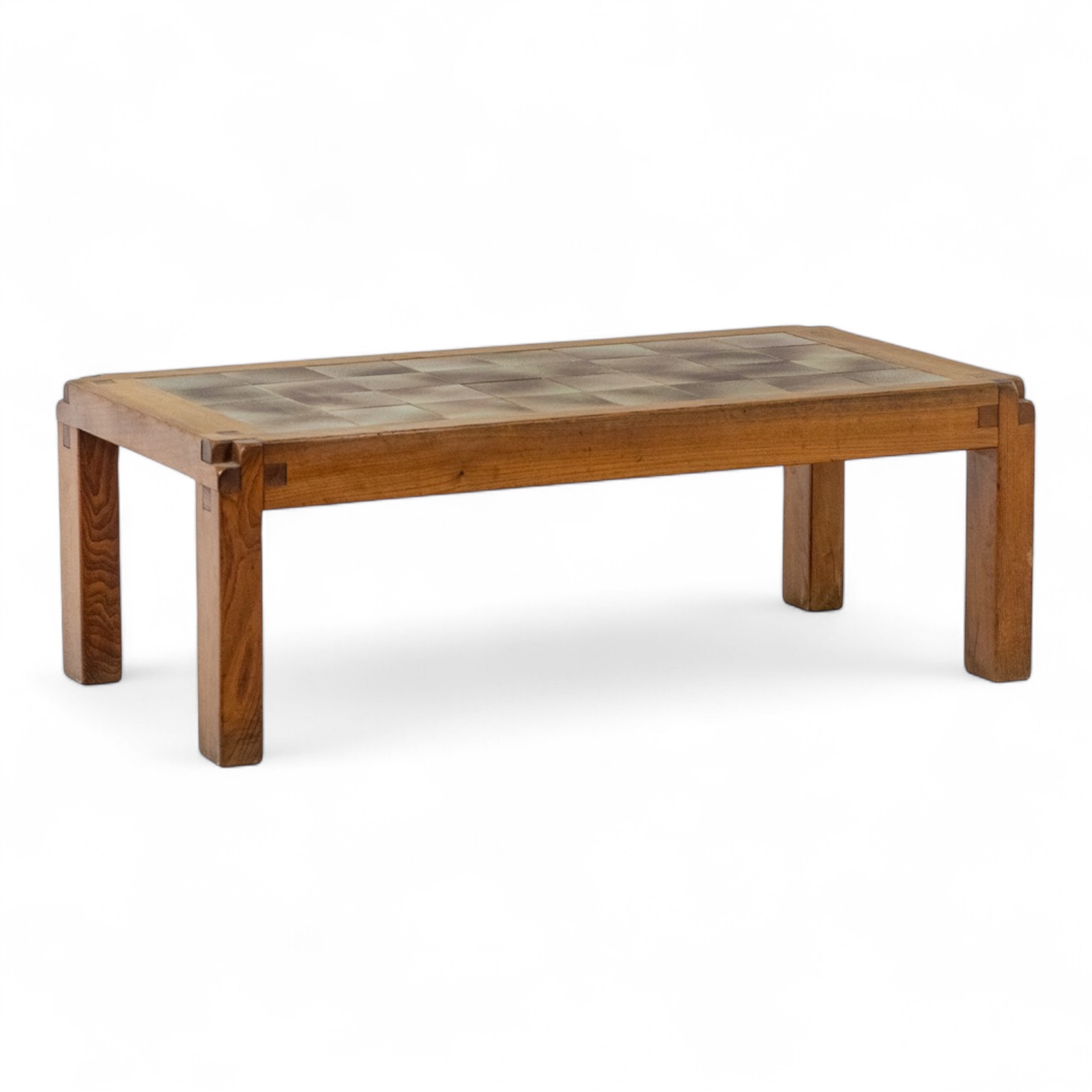
French pieces from this era often move between these extremes: from expressive, almost sculptural metalwork to deeply rooted, craft-driven wood constructions. This diversity gives French coffee tables a unique presence—they are not defined by a single style, but by a shared commitment to material and artistic identity.
Germany: Precision, Engineering, and Innovation
German design in the 1960s and 70s took a different path—one rooted in engineering precision and functional clarity. Coffee tables from this context are often defined by clean lines, innovative mechanisms, and a mastery of materials like glass and steel.
Designers such as Knut Hesterberg (for Ronald Schmitt) created tables that feel both technical and elegant. Thick glass tops rest on sculptural metal bases, achieving a balance between visual lightness and structural integrity. These pieces often appear almost weightless, despite their substantial construction.
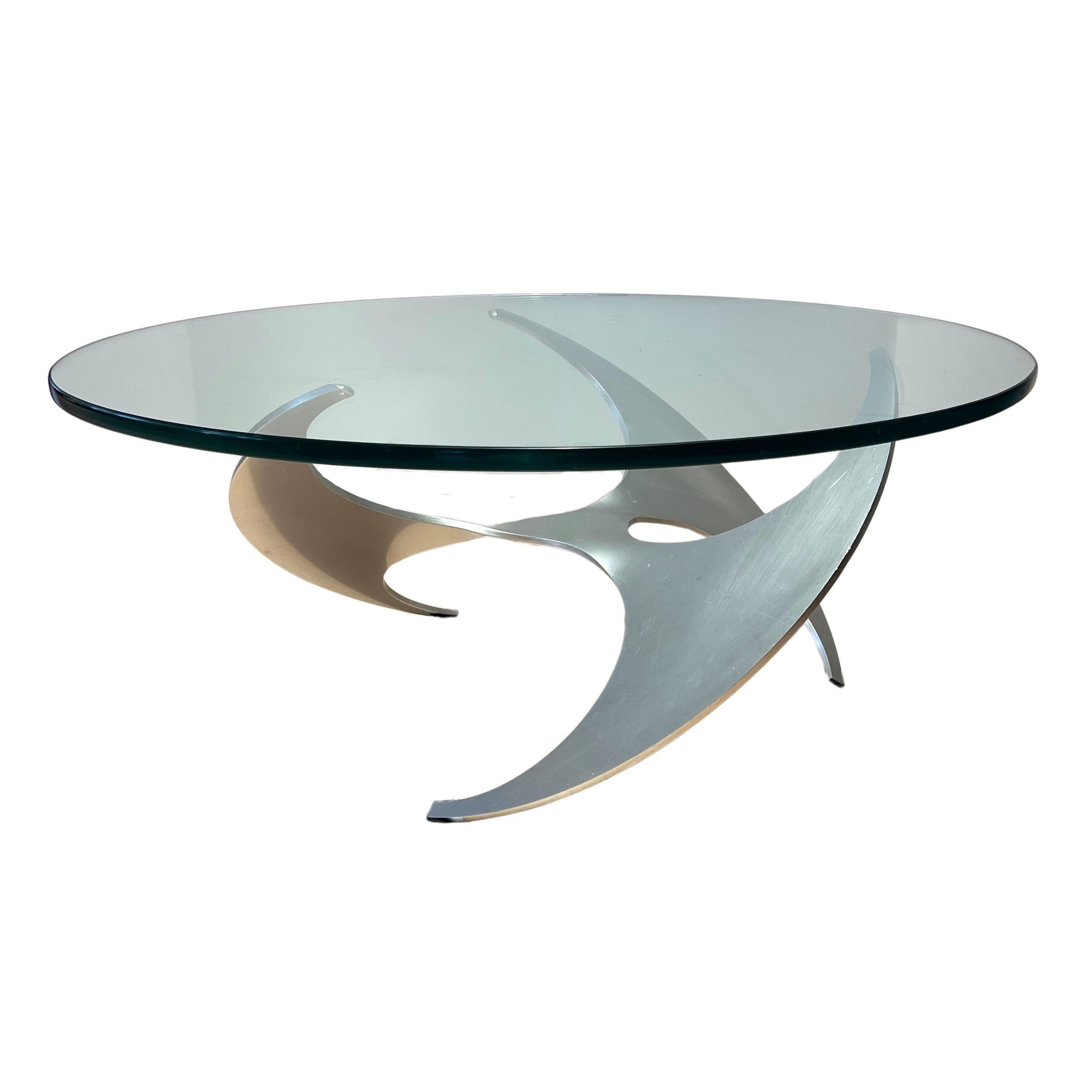
Brands like Team Form AG explored modularity and flexibility, reflecting a broader interest in adaptable living environments. German coffee tables from this period are not only aesthetically refined—they are also highly considered in terms of usability and durability.
The result is a body of work that feels timeless: understated yet distinctive, precise yet warm.
Key Design Themes Across Europe
Despite their regional differences, European coffee tables from 1960–1980 share several defining characteristics:
1. Transparency and Lightness
Glass became a dominant material, allowing tables to occupy space without overwhelming it. This transparency helped maintain an open, airy feel in increasingly relaxed interiors. Designers like François Monnet pushed this even further, using fluid metal bases and glass tops to create pieces that seem almost in motion.
2. Low Profiles
As seating moved closer to the ground, coffee tables followed suit. The lower height emphasized horizontality and reinforced the lounge-like atmosphere of the room.
3. Geometric Clarity
Circles, squares, and clean-lined rectangles dominate the period. Even more experimental designs maintain a strong sense of geometry and proportion.
4. Material as Statement
Whether it’s the warmth of travertine, the reflectivity of chrome, or the richness of brass, materials are not secondary—they are central to the design. In contrast to industrial finishes, designers like Pierre Chapo elevated solid wood into a primary statement—celebrating grain, joinery, and structural honesty.
5. Sculptural Bases
Rather than hiding structure, designers highlighted it. Bases became expressive elements, often as visually important as the tabletop itself.
Styling These Pieces Today
One of the reasons coffee tables from this era remain so desirable is their versatility. They integrate seamlessly into contemporary interiors while adding depth and character.
-
Pair with modern upholstery: A 1970s brass and glass table can elevate a minimalist sofa, adding contrast and warmth.
-
Mix with antiques: These pieces work beautifully alongside older furniture, creating a layered and curated look.
-
Let them anchor the room: Choose a table with presence—stone, sculptural metal, or bold geometry—and build the space around it.
-
Play with materials: Combine glass, metal, and natural materials to echo the design language of the period.
The key is balance. These tables are statement pieces, but they don’t need competition. Give them space to be seen.
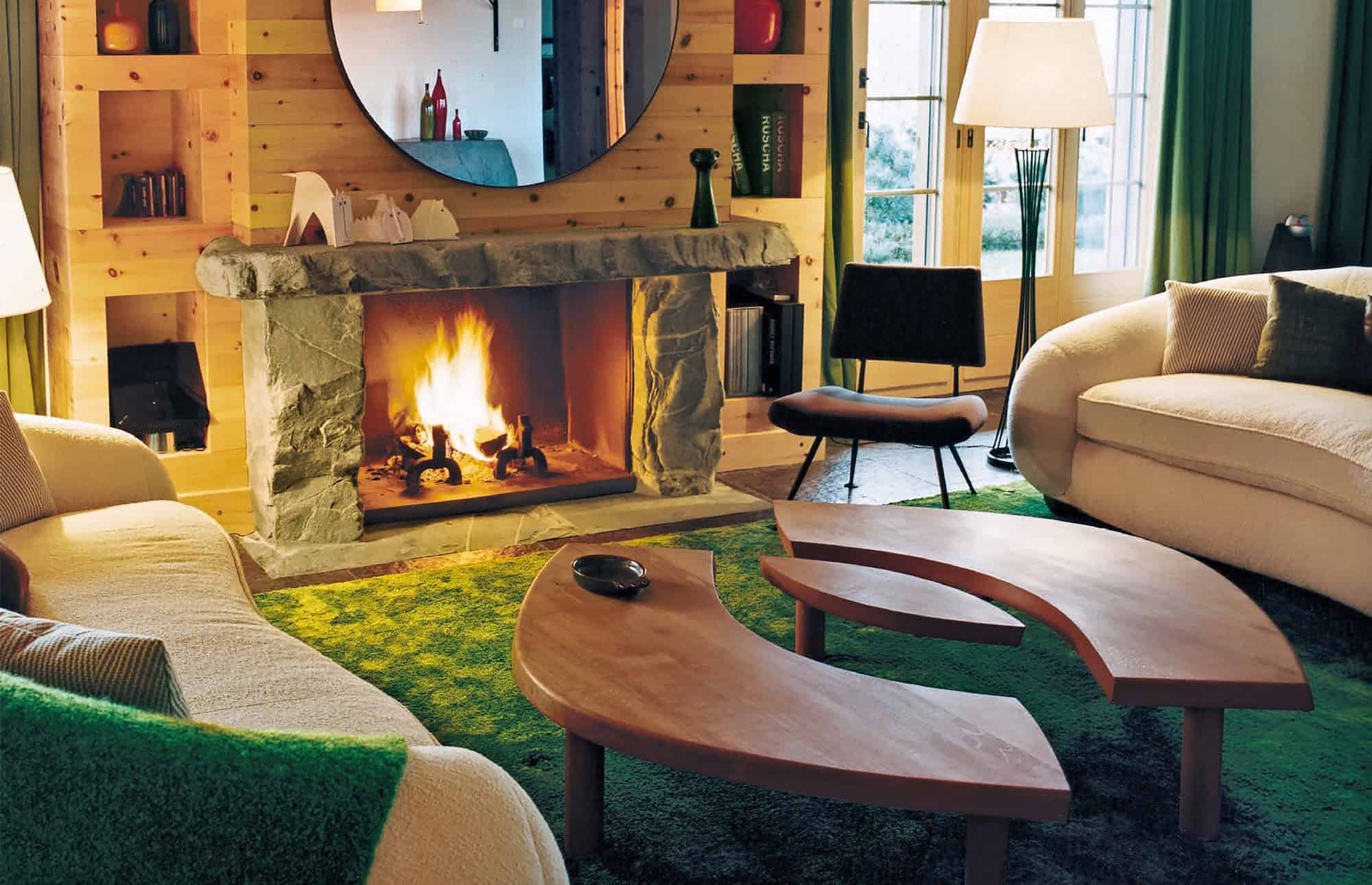
A Lasting Legacy
What makes European coffee table design from the 1960s and 70s so enduring is its clarity of intention. These are not trend-driven objects; they are thoughtful explorations of form, material, and living.
They reflect a moment when design became more democratic, more experimental, and more integrated into everyday life. The coffee table—once a purely functional object—became a site of innovation and expression.
Today, these pieces continue to resonate. They offer a way to bring history, craftsmanship, and sculptural beauty into contemporary interiors—quietly transforming a room, just as they did decades ago.
For collectors and design enthusiasts, the appeal is clear: these tables are not just furniture. They are enduring works of design that still feel, in every sense, modern.

Silke Berlinghof
People also buy
Coffee Tables
Coffee Tables
Coffee Tables
Coffee Tables
Coffee Tables
Coffee Tables
Coffee Tables
Coffee Tables
Coffee Tables