
Best Sellers
Antique Furniture and Decor
Antique Furniture and Decor
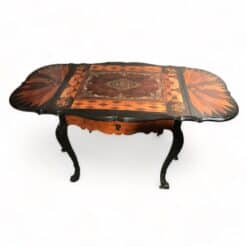
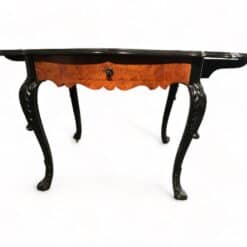
Antique Tables
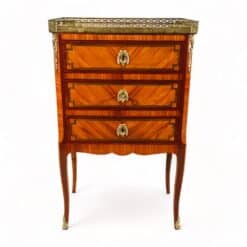
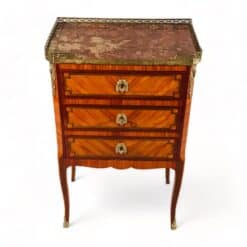
Antique Furniture and Decor
Antique Furniture and Decor
Antique Furniture and Decor
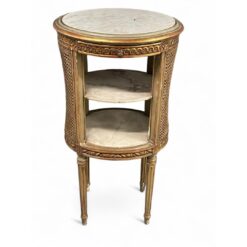
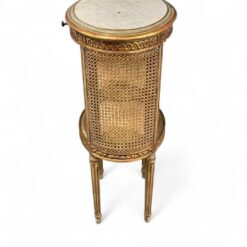
Oval Gilt Wood Side Table , Napoleon III 1850-60, Gilt Wood and Cane
Desks and Secretary Desks
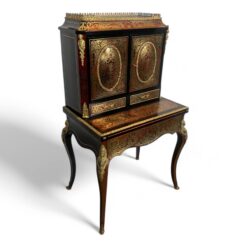
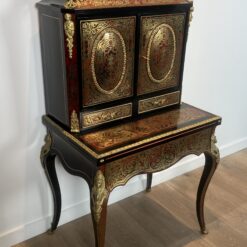
Bonheur du Jour Desk in Boulle Marquetry from the Napoleon III Period
Antique Furniture and Decor
Antique Furniture and Decor
Small Side Table, Japanese-style Lacquer, Napoleon III Period
Antique Furniture and Decor
Antique Furniture and Decor
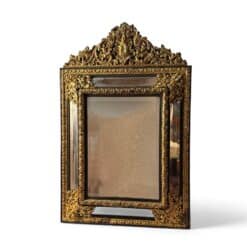
French Napoleon III Mirror with Gilt-Brass Mounts, France, Circa 1860–1880
Antique Furniture Guide, Style, Styylish History
Napoleon III Furniture: A Guide to Second Empire Style, Craftsmanship, and Modern Interiors
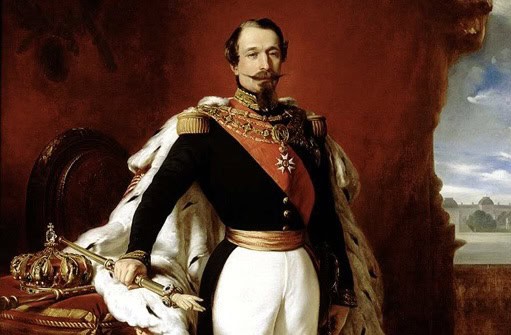
Napoleon III furniture is one of the most visually striking and expressive styles of the 19th century. Rich in detail, bold in contrast, and unapologetically decorative, it reflects a moment in French history when design embraced eclecticism, innovation, and luxury.
Created during the Second Empire (1852–1870) under Napoleon III, this style reinterprets earlier French periods while incorporating global influences and new industrial techniques. Today, Napoleon III pieces are increasingly appreciated by collectors and interior designers alike—not only for their craftsmanship, but for their ability to add depth and character to contemporary interiors.
What Is Napoleon III Furniture?
Napoleon III furniture, also known as Second Empire style, emerged during a period of economic growth and cultural ambition in France. Rather than adhering to a single aesthetic, it draws heavily from earlier styles—Louis XV, Louis XVI, and even Renaissance motifs—while layering in influences from Asia and the Middle East.
The result is a style defined by contrast: dark woods against gleaming brass, intricate ornamentation balanced by strong silhouettes, and historical references reinterpreted through modern (for the time) production methods.
Key Characteristics of Napoleon III Style
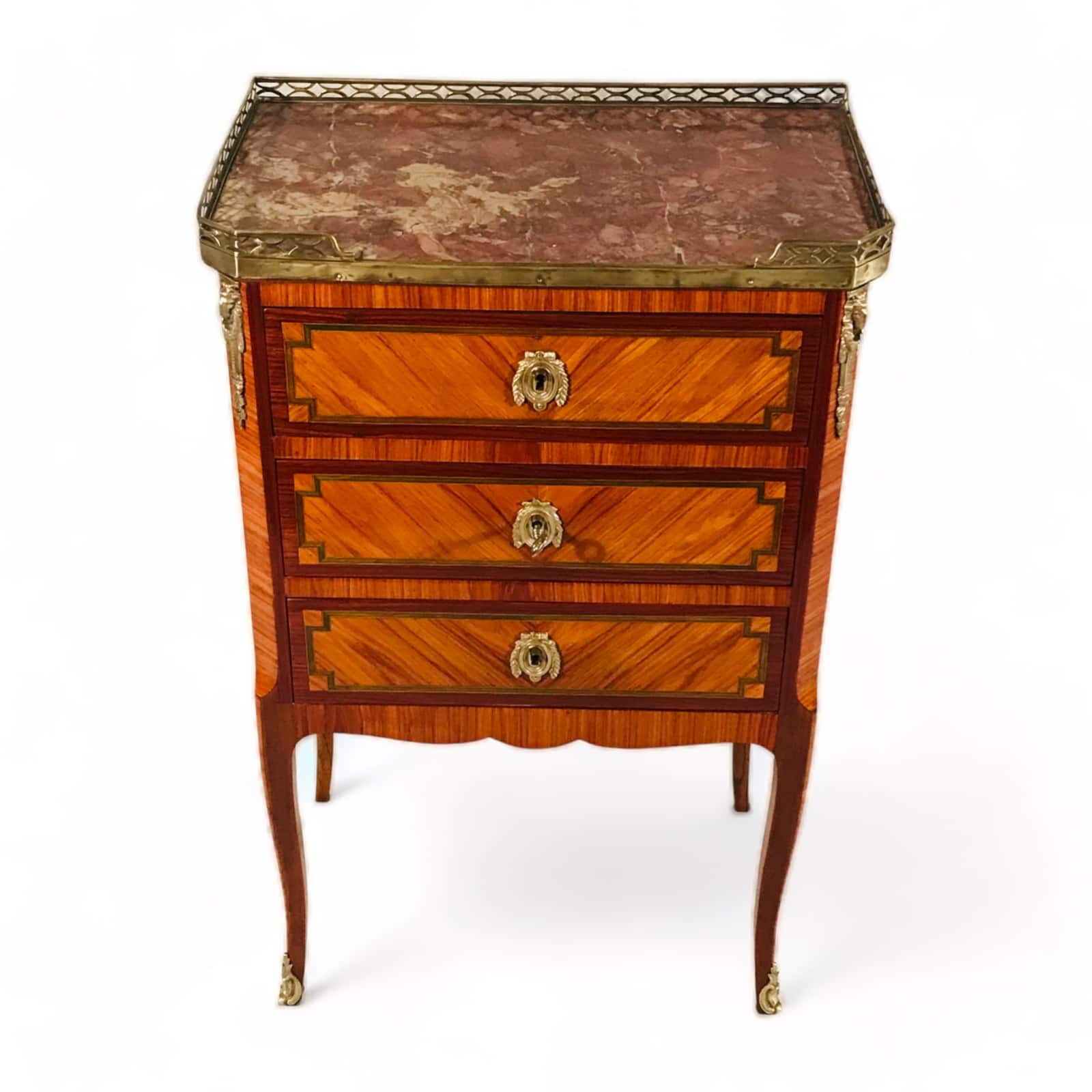
Napoleon III furniture is immediately recognizable for its decorative richness and material contrasts. Some of the defining features include:
- Boulle marquetry: intricate inlays combining brass and dark backgrounds, inspired by André-Charles Boulle
- Ebonized wood: deep black finishes that create a dramatic base for ornamentation
- Ormolu mounts: gilded bronze details adding sculptural highlights
- Curved, sculptural forms: cabriole legs, bombe shapes, and softened edges
- Eclectic ornamentation: motifs ranging from classical to Asian-inspired elements
This layered aesthetic gives each piece a strong visual identity—ideal for interiors that seek focal points rather than uniformity.
Materials & Craftsmanship
At the heart of Napoleon III furniture is a sophisticated approach to materials and surface decoration. The period marked a transition between traditional craftsmanship and early industrial production, resulting in pieces that are both technically refined and highly decorative.
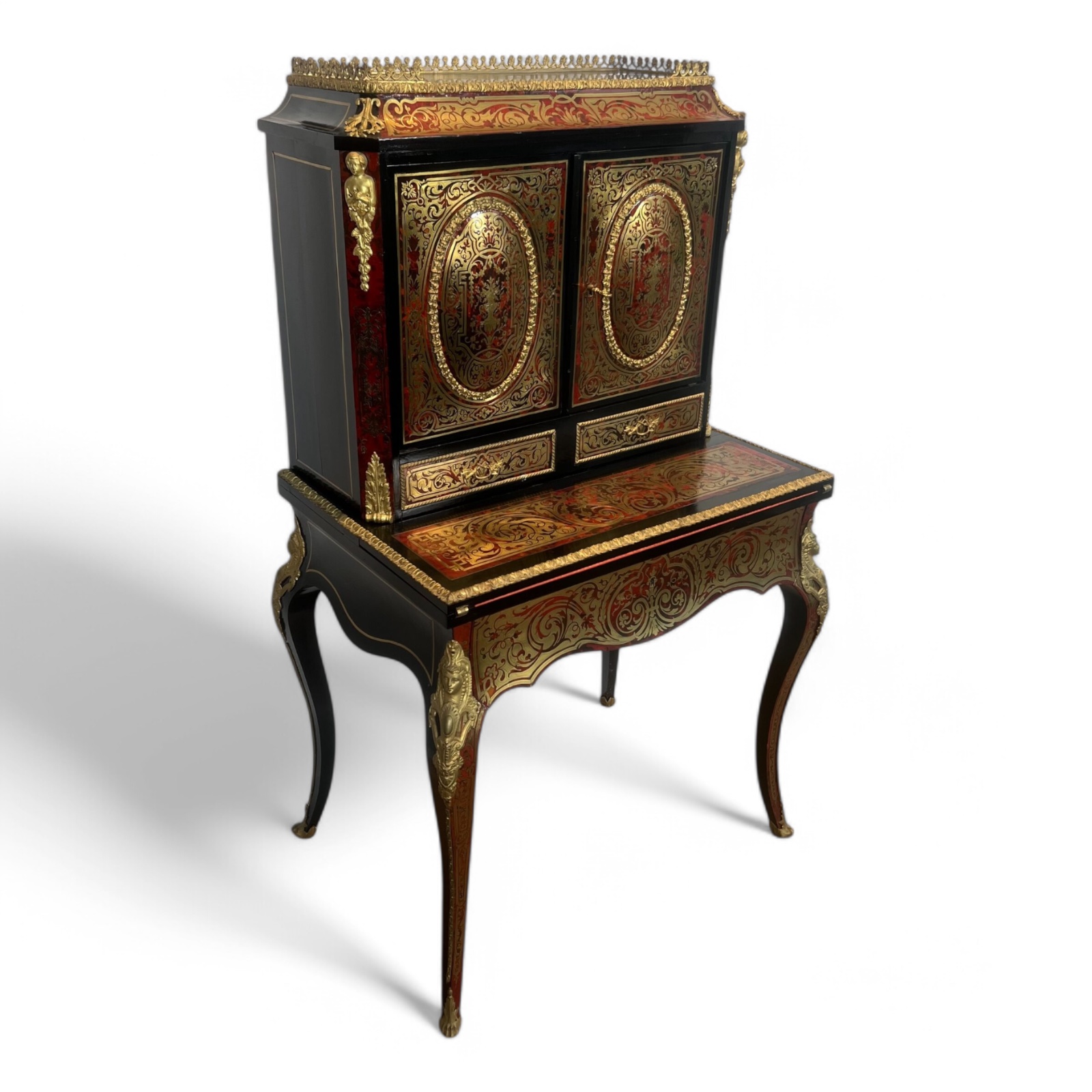
Key materials and techniques include:
- Ebonized wood (often pearwood or other hardwoods)
Used to create a deep black, lacquer-like surface, ebonized finishes provided a dramatic backdrop for inlay and gilt decoration. This contrast is central to the visual language of the style. - Boulle marquetry (brass and tortoiseshell-style inlay)
One of the most iconic techniques of the period, Boulle marquetry was revived and widely produced during Napoleon III. It involves intricate patterns of brass inlaid into dark-stained wood or faux tortoiseshell grounds, creating luminous, highly detailed surfaces. - Brass and metal inlays
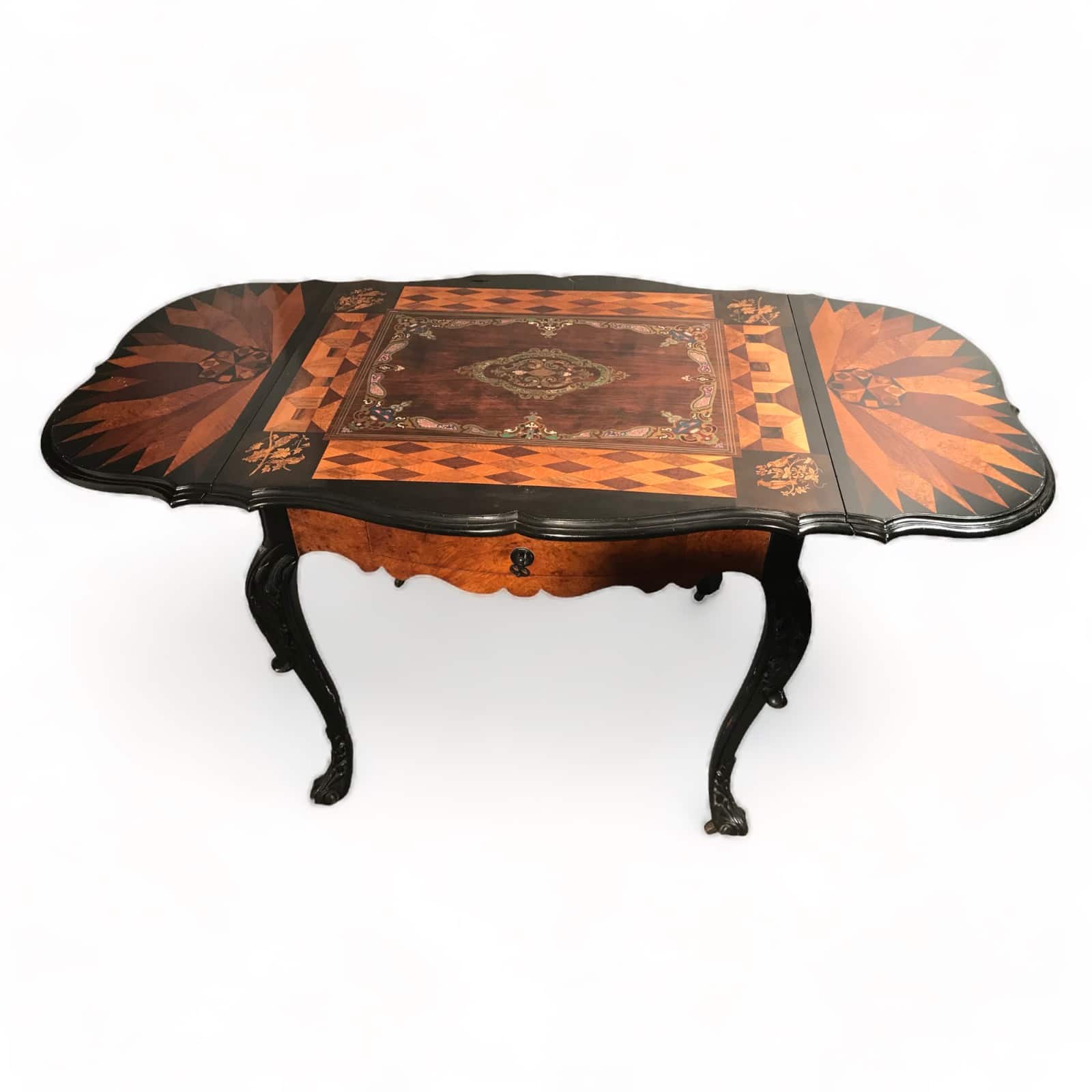
Beyond traditional Boulle work, many pieces feature geometric or figurative brass inlays, often arranged in block marquetry or medallions. These elements catch light subtly and add depth to tabletops, drawers, and panels. - Ormolu (gilt bronze mounts)
Finely cast and gilded bronze mounts were applied to corners, legs, and structural elements. These mounts are not only decorative but also reinforce edges and add a sculptural dimension to the piece. - Tropical wood veneers and decorative woods
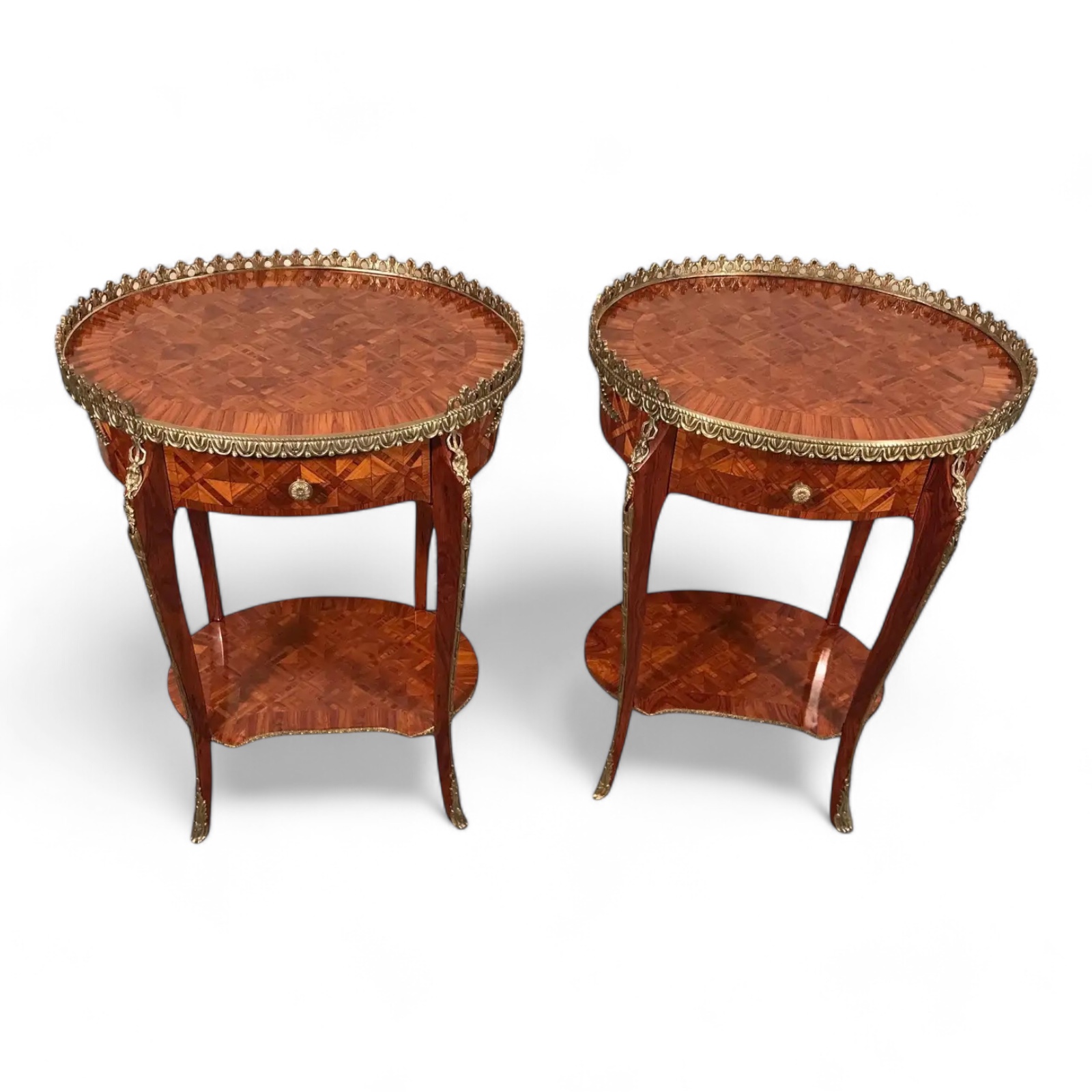
In addition to darker finishes, craftsmen used a variety of veneers—rosewood, walnut, kingwood—to create contrast and pattern. Floral marquetry and parquetry designs were especially popular for tabletops and secondary surfaces. - Mother-of-pearl and exotic materials
Some high-end pieces incorporate mother-of-pearl, lacquer panels, or Asian-inspired decoration, reflecting the 19th-century fascination with Japonisme and global design influences. - Precision joinery and cabinetmaking techniques
Despite the decorative emphasis, construction quality remained high. Drawers, carcasses, and structural elements were carefully assembled using traditional joinery, ensuring durability and longevity. - Early industrial influence
The Second Empire saw increased mechanization, allowing for more consistent production of decorative elements. This made richly ornamented furniture more accessible while maintaining a high level of craftsmanship.
Together, these materials and techniques create furniture that is both visually intricate and materially substantial—pieces that reward close inspection and age beautifully over time.
How to Identify Authentic Napoleon III Pieces
With the popularity of the style, it’s helpful to understand what distinguishes authentic 19th-century pieces from later reproductions.
Look for:
- Quality of materials: genuine brass inlay rather than printed decoration
- Wear consistent with age: subtle patina, especially on mounts and surfaces
- Construction details: traditional joinery rather than modern fasteners
- Depth in decoration: authentic marquetry will have tactile variation and fine detail
Authentic pieces often feel substantial and balanced.
How to Style Napoleon III Furniture Today
While historically opulent, Napoleon III furniture integrates surprisingly well into contemporary interiors when used thoughtfully.
- Use as a statement piece
A single Boulle cabinet or marquetry table can anchor a room and create a focal point. - Pair with minimal surroundings
Clean lines and neutral palettes allow the detail of the piece to stand out without overwhelming the space. - Mix periods intentionally
Combining Napoleon III pieces with modern or mid-century elements creates contrast and avoids a “period room” effect. - Layer textures and materials
The richness of wood, brass, and gilt works beautifully with natural textiles like linen, wool, and stone. - Think in terms of function
Use as a side table, entry piece, or decorative accent—these objects are versatile and adaptable.
The goal is not to recreate a historical interior, but to introduce character, depth, and a sense of narrative.
Why Napoleon III Furniture Is Worth Collecting
Napoleon III furniture offers a compelling combination of craftsmanship, decorative impact, and relative accessibility compared to earlier French periods.
It appeals to collectors and designers who are looking for:
- Distinctive, recognizable pieces
- High-quality materials and techniques
- Decorative richness without excessive formality
- Versatility in modern interiors
As interest in layered, character-driven interiors continues to grow, Napoleon III furniture stands out as a style that feels both historic and relevant.
In a world of increasingly minimal spaces, these pieces bring something different: contrast, craftsmanship, and a sense of story. Whether used as a focal point or integrated into a broader design scheme, Napoleon III furniture offers a way to create interiors that feel curated, expressive, and timeless.

Silke Berlinghof
People also buy
Antique Furniture and Decor
Antique Furniture and Decor
Antique Tables
Antique Furniture and Decor
Oval Gilt Wood Side Table , Napoleon III 1850-60, Gilt Wood and Cane
Antique Furniture and Decor
Small Side Table, Japanese-style Lacquer, Napoleon III Period
Antique Furniture and Decor
Desks and Secretary Desks
Bonheur du Jour Desk in Boulle Marquetry from the Napoleon III Period
Antique Furniture and Decor
Antique Furniture and Decor
Antique Furniture and Decor
Antique Furniture and Decor
French Napoleon III Mirror with Gilt-Brass Mounts, France, Circa 1860–1880
Antique Furniture and Decor