Best Sellers

Antique Furniture and Decor


Sideboards, Credenzas and Buffets
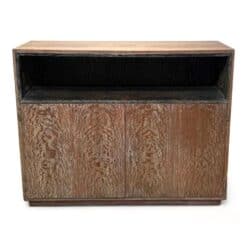
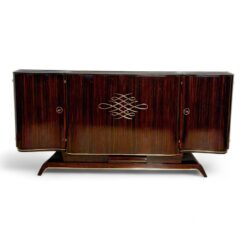
Art Deco Sideboard, Macassar Ebony and Brass, Paris circa 1930

Bar Carts and Bar Furniture
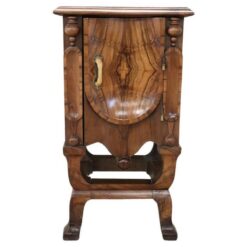
Art Deco Half Cabinet, Black Lacquer, Mahogany, France circa 1930

Antique Furniture and Decor
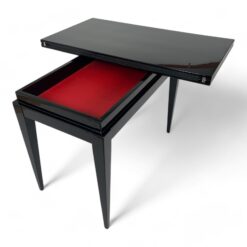
Art Deco Games Table, Black Lacquer, Red and Black leather, France circa 1930
Furniture, Resources, Style, Styylish History
Bronze, Brass, and Chrome: What Metal Details Reveal About Furniture Quality
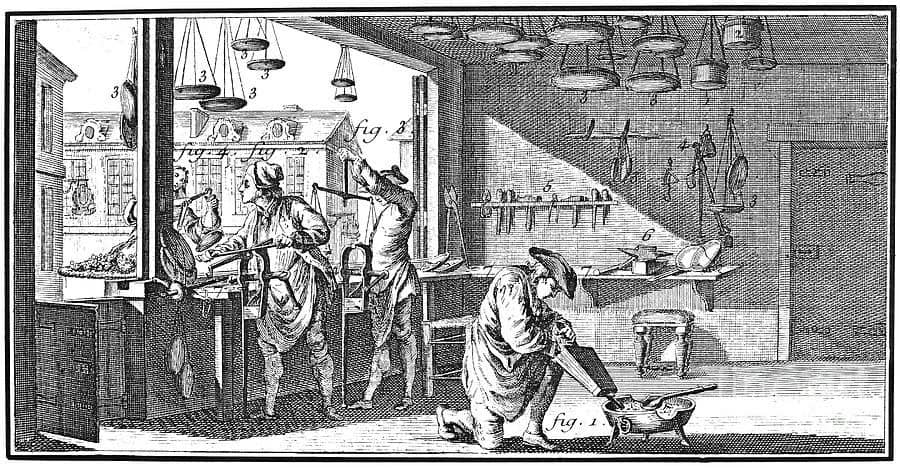
Often overlooked, metal fittings are one of the clearest indicators of quality, origin, and intention in furniture design. From solid bronze mounts on 18th-century case pieces to the sleek chrome lines of Italian modernism, these details do far more than serve a function. They reveal how a piece was made, how it was meant to be used, and the level of craftsmanship behind it.
For collectors, designers, and discerning buyers, understanding metal hardware is a way to read furniture more deeply—and to recognize quality at a glance.
What Is Furniture Hardware and Why It Matters
Furniture hardware refers to all functional and decorative metal elements used in a piece. This includes handles, hinges, mounts, brackets, and trims.
High-quality furniture hardware is not just practical. It reflects:
- the level of craftsmanship
- the intended use of the piece
- and often its period and origin
Well-designed hardware integrates seamlessly into the structure. It enhances both usability and visual balance.
A Brief History of Metal Fittings in Furniture
Metal has long played both a structural and decorative role in furniture.
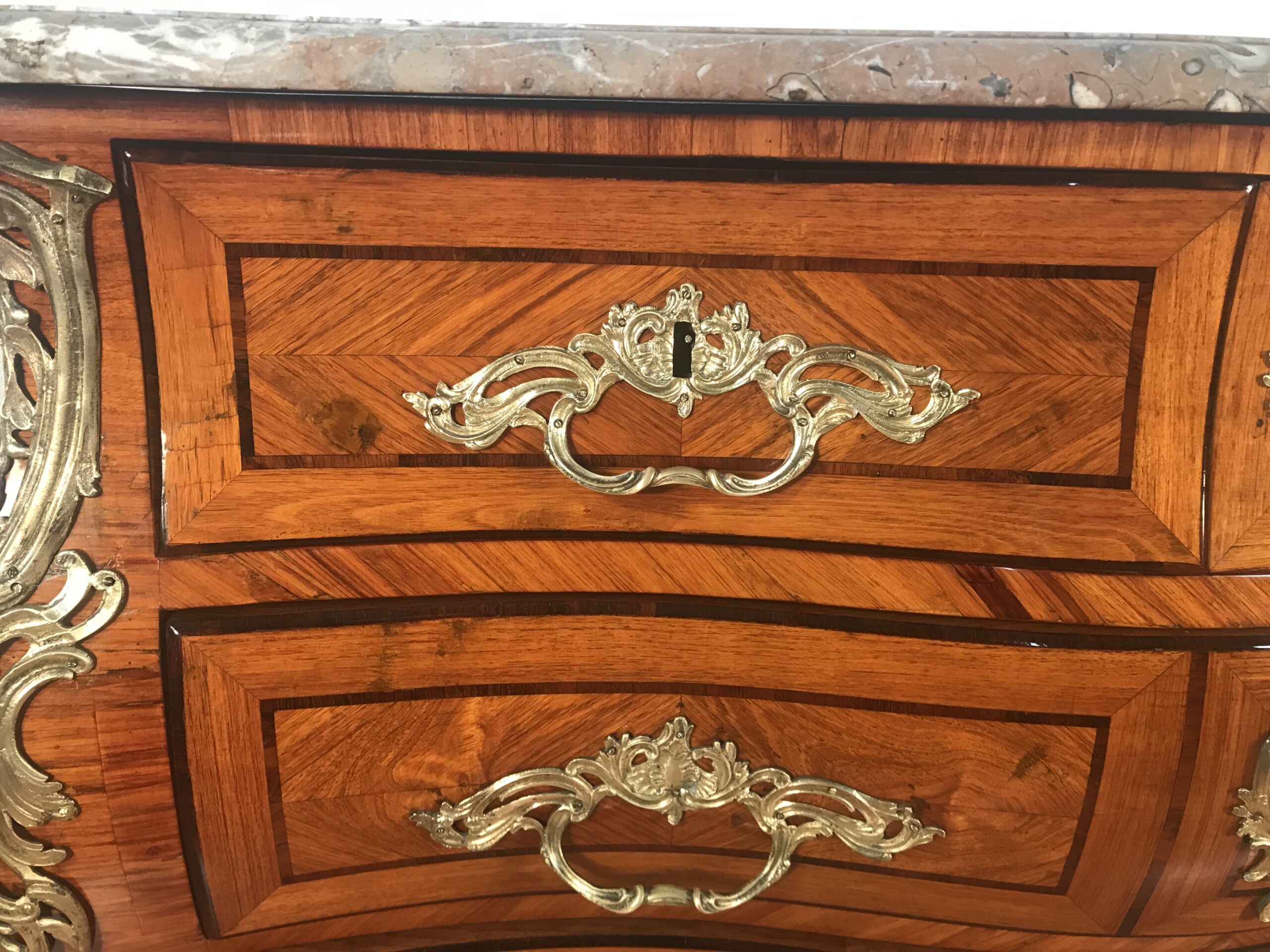
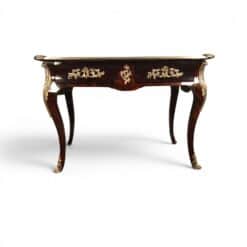
In 18th-century France, finely cast bronze mounts—often referred to as ormolu—were used to elevate cabinetry. These gilt-bronze elements were not only ornamental but also a mark of luxury and status. They framed edges, highlighted proportions, and reflected light in dim interiors.
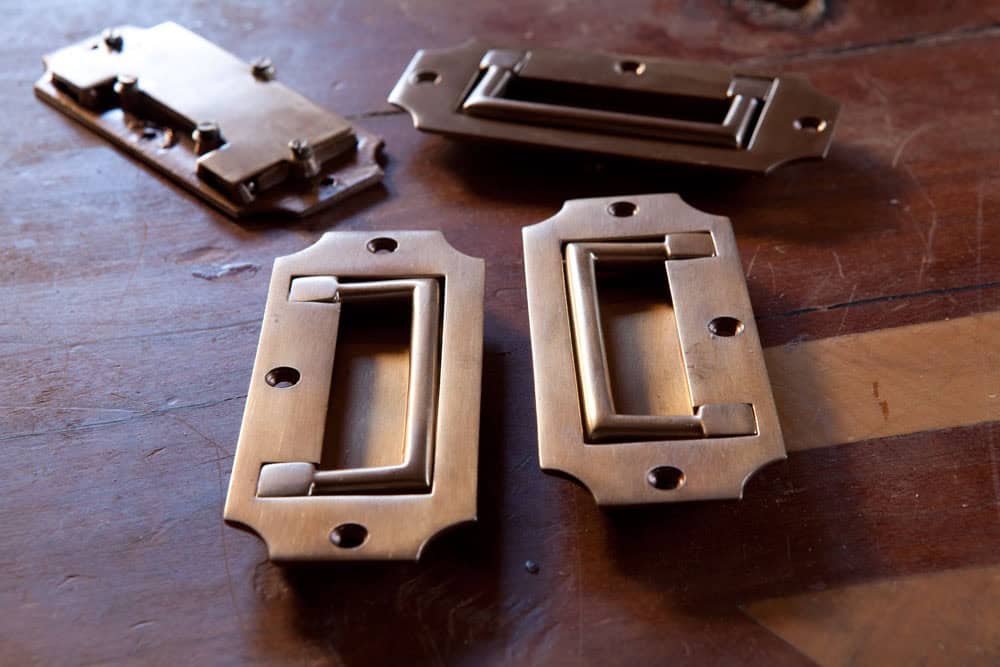
By contrast, British campaign furniture of the 19th century relied on brass hardware for durability. Designed to travel with military officers, these pieces featured recessed handles, reinforced corners, and protective mounts. Here, metal was essential—functional, robust, and intentionally understated.
The 20th century introduced a new relationship with metal. In Italian modern design of the 1960s and 1970s, chrome and polished steel became central to the aesthetic. Designers such as Willy Rizzo and Romeo Rega used metal not just as an accent, but as a defining visual element. Combined with lacquer, glass, or stone, metal created contrast, reflectivity, and a sense of architectural precision.
Across periods, one thing remains consistent: metal fittings are never incidental. They are part of the design language.
Bronze, Brass, and Chrome: Understanding the Materials
Not all metal hardware is created equal. The material itself often signals both quality and era.
Bronze is an alloy of copper and tin, known for its strength and durability. It is typically cast rather than stamped, allowing for more intricate detailing. Over time, bronze develops a natural patina—subtle variations in tone that add depth and character. In antique furniture, solid bronze mounts are often a sign of high craftsmanship.
Brass, made from copper and zinc, is slightly softer and more malleable. It has been widely used across centuries, from campaign furniture to mid-century cabinetry. Brass can be polished to a warm glow or allowed to age into a darker, more muted finish. High-quality brass hardware tends to feel substantial, with a noticeable weight and thickness.
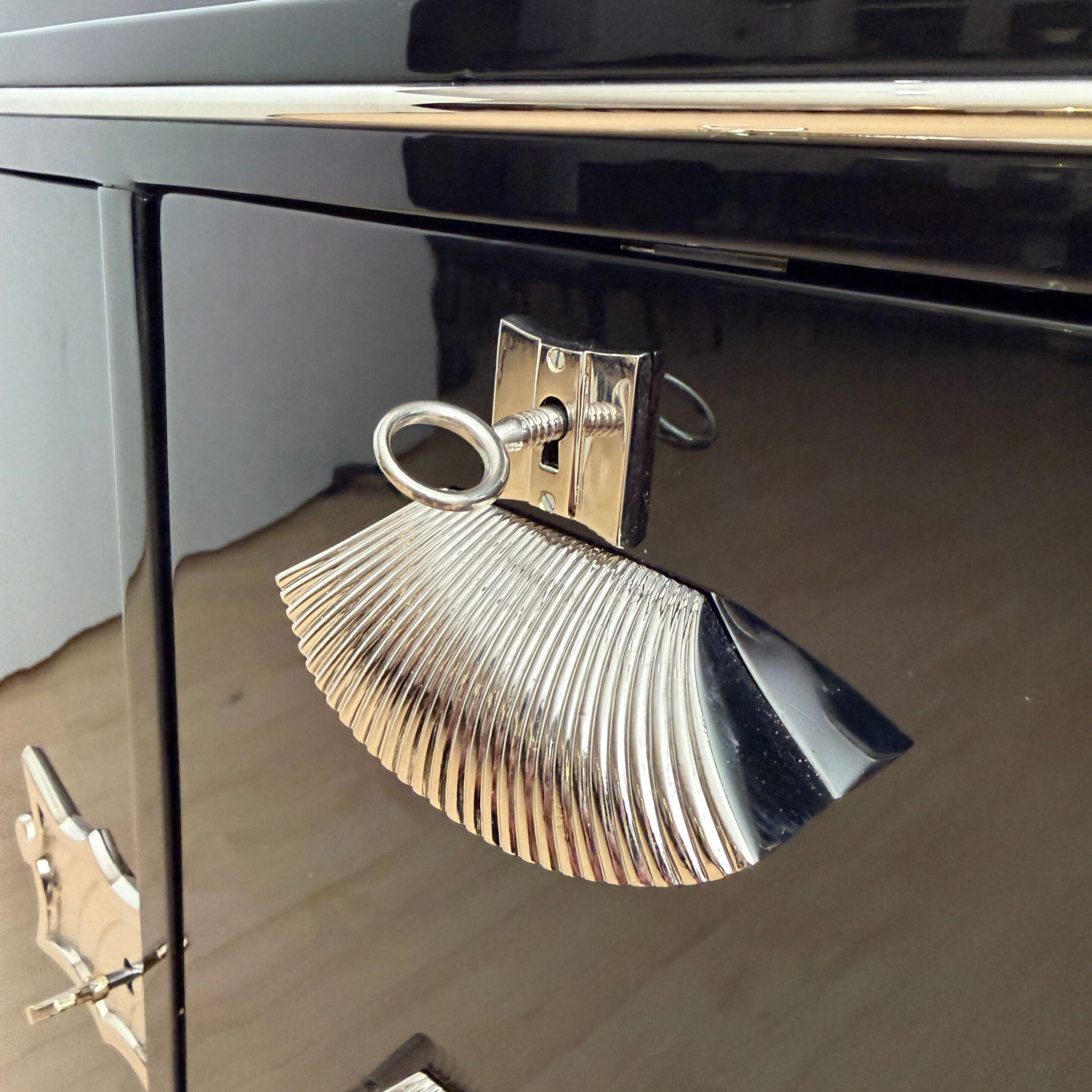
Chrome represents a more modern approach. Rather than being a solid material, chrome is a plated finish applied to metal—usually steel. It offers a highly reflective, mirror-like surface and is associated with 20th-century modern and postmodern design. When well executed, chrome adds crispness and contrast. When poorly done, it can feel thin or overly industrial.
Understanding these materials helps distinguish between original, high-quality fittings and later replacements or lower-grade production.
Craftsmanship: Cast vs. Stamped Hardware
Beyond the material itself, the method of production reveals a great deal.
Cast hardware is made by pouring molten metal into a mold. This process allows for depth, precision, and sculptural detail. Edges are often softer, forms more dimensional, and surfaces slightly irregular—subtle signs of hand-finishing.
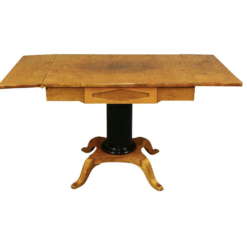
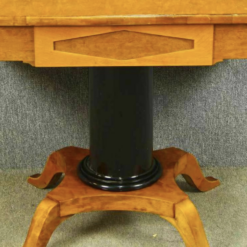
Stamped hardware is formed by pressing metal into shape, allowing for precise and consistent production. It typically results in lighter and more uniform pieces with less depth than cast fittings. While often associated with larger-scale production, stamped hardware was also used in certain 19th-century furniture—such as Biedermeier pieces—where clean lines and restrained detailing were part of the design language.
Function Meets Design
Metal fittings sit at the intersection of utility and design.
Some elements are primarily structural. Handles, hinges, corner brackets, and locks all serve essential functions. In well-made furniture, these components are not only durable but also thoughtfully integrated into the overall design.
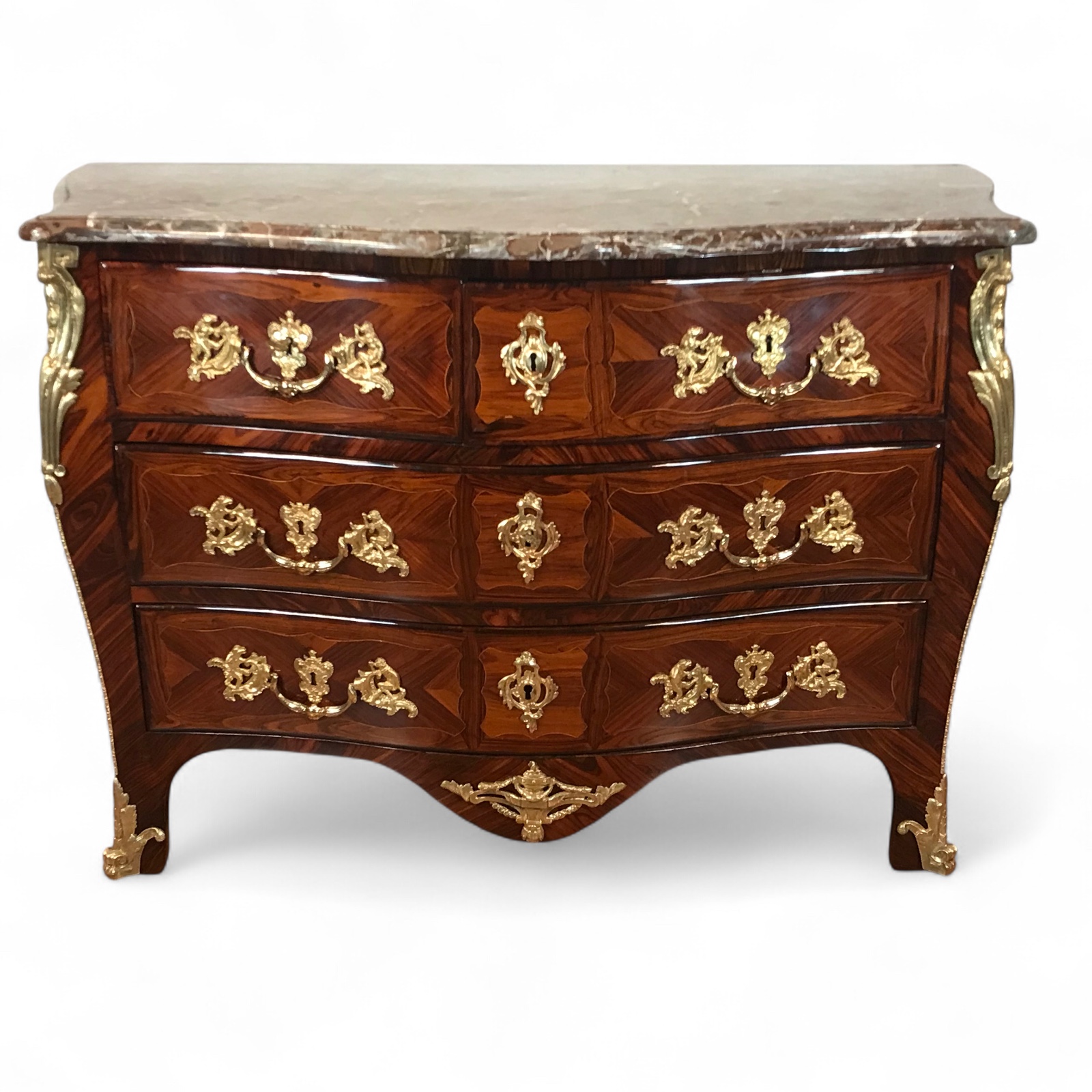
Others are more decorative. Mounts, trims, and inlays can emphasize proportions, frame surfaces, or create contrast between materials. In French furniture, bronze mounts highlight curvature and craftsmanship. In Italian modern pieces, chrome lines define geometry and rhythm.
The most compelling designs balance both. A handle should feel good in the hand. A hinge should operate smoothly. A metal edge should protect while also enhancing the visual composition.
How Metal Details Affect Perception
Metal fittings have a subtle but powerful impact on how a piece is perceived.
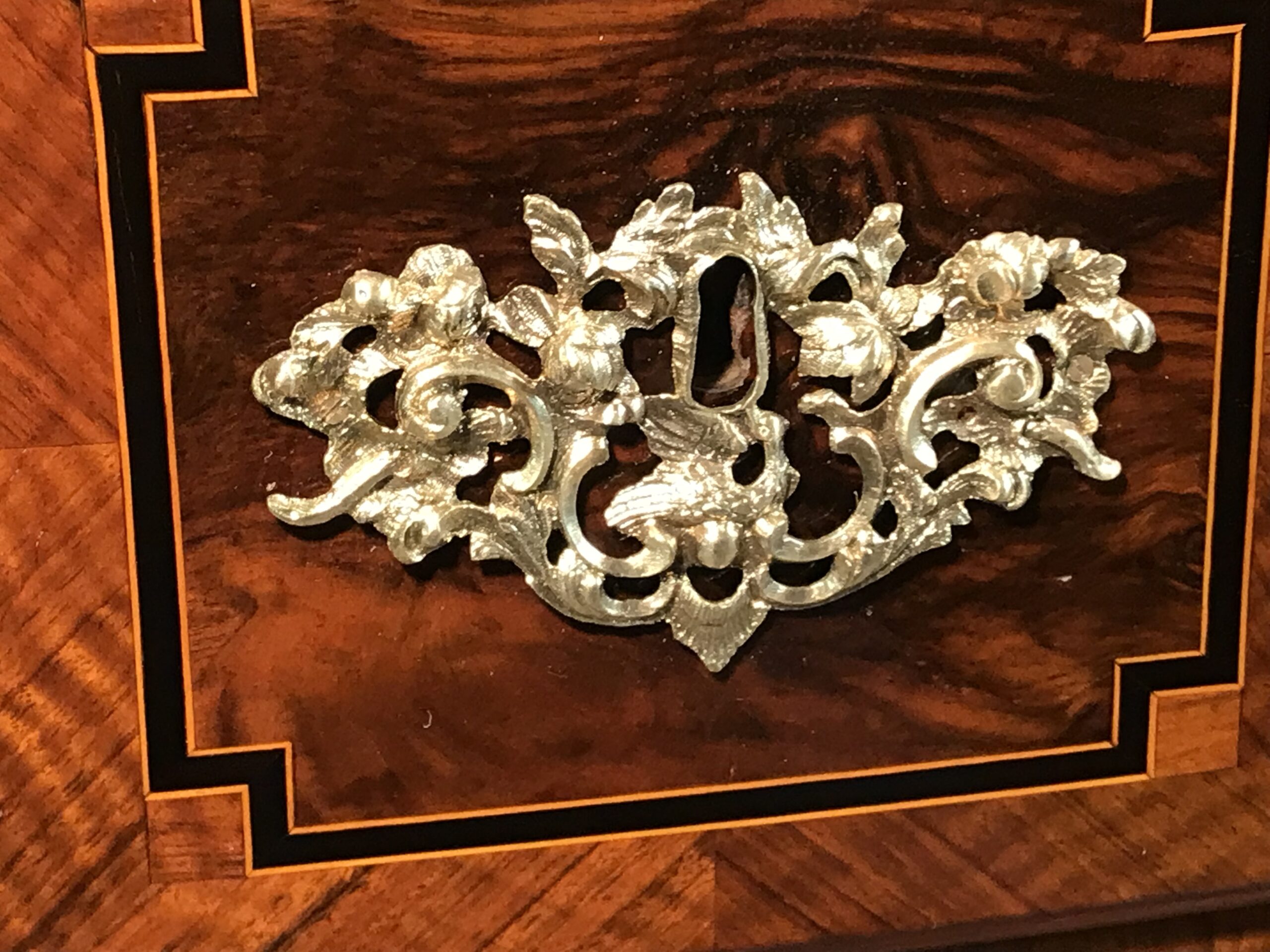
Warm metals like bronze and brass tend to feel rich, traditional, and tactile. They soften wood surfaces and add a sense of history. Even in contemporary interiors, they introduce warmth and depth.
Cool metals like chrome and steel feel precise, modern, and architectural. They reflect light, sharpen lines, and create contrast—especially when paired with dark lacquer or glass.
The finish also matters. A polished surface feels more formal and refined. A patinated or aged surface feels more relaxed and authentic. These nuances influence how a piece interacts with its surroundings.
What to Look for When Evaluating Furniture Hardware
For those sourcing vintage or antique furniture, metal fittings offer valuable clues.
Weight and solidity
High-quality hardware typically feels substantial. Light, hollow pieces may indicate later replacements or lower-grade production.
Attachment and construction
Original fittings are usually well-integrated, with clean joinery and consistent screws or fixings. Misaligned or mismatched hardware can suggest alterations.
Wear patterns
Authentic aging tends to occur in predictable areas—handles, edges, and frequently touched surfaces. Even wear often signals originality, while inconsistent wear may indicate replacement.
Patina vs. polish
Natural patina develops gradually and adds character. Overly polished or uniform finishes can sometimes diminish the integrity of a piece.
Functionality
Drawers should open smoothly, hinges should align properly, and moving elements should feel intentional. Well-preserved mechanisms are a strong indicator of overall quality.
A Detail That Tells the Whole Story
In many ways, metal fittings act as a shorthand for understanding furniture. They reveal how a piece was made, how it was used, and how well it has been cared for over time.
Whether it’s the quiet strength of brass campaign handles, the sculptural presence of gilt bronze mounts, or the reflective precision of Italian chrome, these details are never secondary. They are integral to both function and design.
For collectors and designers alike, paying attention to metal is not just about aesthetics—it’s about recognizing craftsmanship.

Silke Berlinghof
People also buy

Antique Furniture and Decor
Art Deco Display Cabinet, Macassar Veneer, France, circa 1930

Antique Furniture and Decor
Antique Furniture and Decor
Antique Furniture and Decor
Secretary Desks
Antique and Vintage Seating
Contemporary Fine Art