
Best Sellers
Antique Furniture and Decor
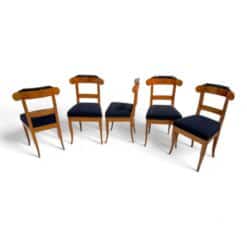
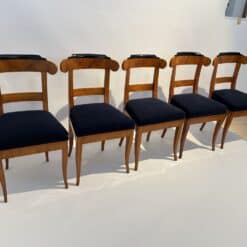
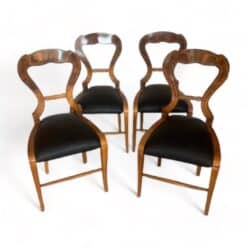
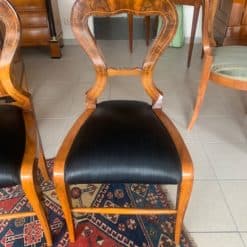
Set of Five Biedermeier Chairs, Cherry Wood, Germany circa 1830


Antique Furniture and Decor
Antique Furniture and Decor
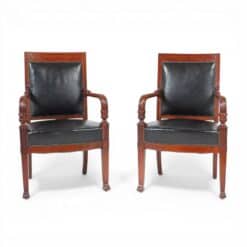
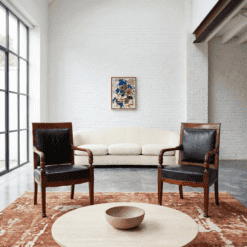
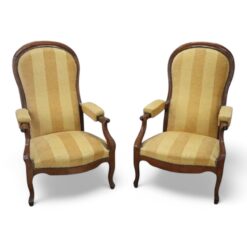
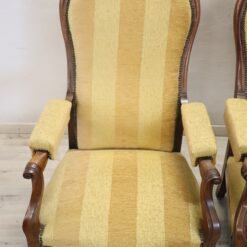
Mid 19th Century Italian Louis Philippe Pair of Antique Reclining Armchairs
Antique Furniture and Decor
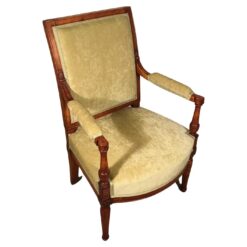
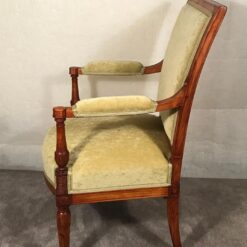
Accent chairs
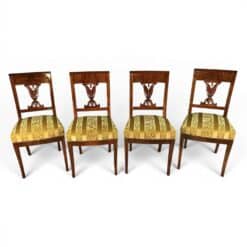
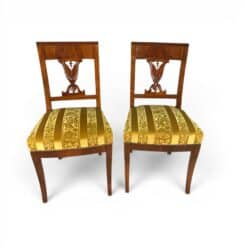
Antique Furniture and Decor
Antique Furniture and Decor
Antique Furniture and Decor
Antique Furniture and Decor
Antique Furniture and Decor
Antique and Vintage Seating
Antique Furniture Guide, Chairs
Why Continental European Antique Chairs Remain Essential in Contemporary Interiors
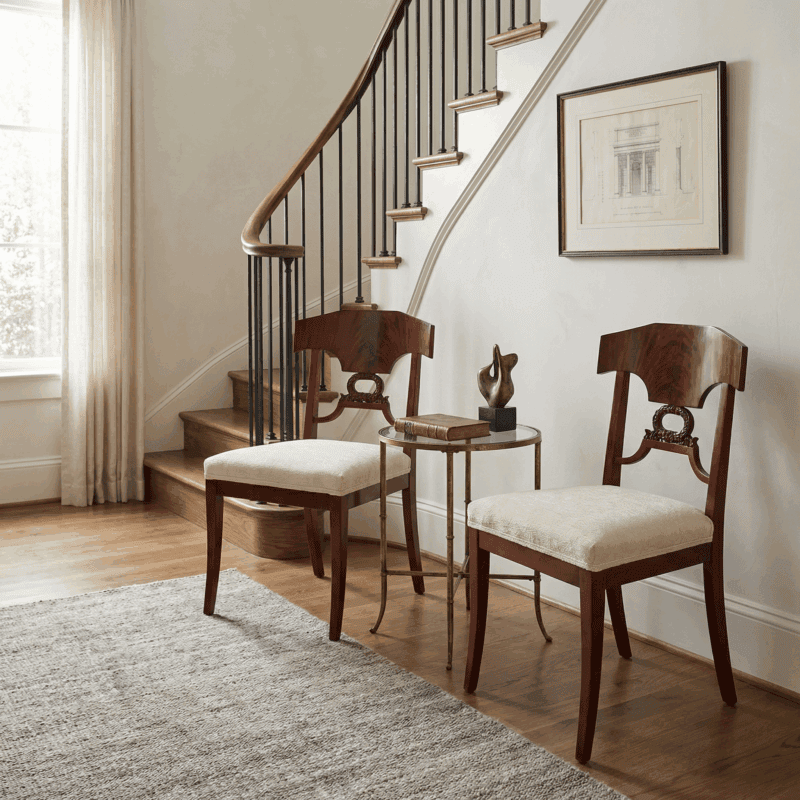
In an age of mass production, rapid trend cycles, and furniture designed for temporary use, antique chairs continue to offer something increasingly rare: authenticity. They embody centuries of craftsmanship, regional traditions, and design principles that remain as relevant today as when they were first created.
While English antiques often dominate discussions of historic furniture, many of the most influential and versatile chair designs originated across Continental Europe. French fauteuils, Swedish Gustavian dining chairs, Austrian and German Biedermeier side chairs, Italian walnut armchairs, and Dutch provincial seating continue to inspire collectors, decorators, and architects around the world.
What makes these chairs particularly compelling is not simply their age. Continental European antique chairs possess a timeless quality that allows them to integrate effortlessly into contemporary interiors. Whether placed within a minimalist apartment, a restored townhouse, or a modern hospitality project, they contribute warmth, texture, and individuality that modern furniture often struggles to achieve.
Today, designers increasingly view antique chairs not as period pieces confined to traditional settings but as essential design elements capable of bringing balance, character, and historical depth to modern spaces.
The Enduring Appeal of Antique Chairs
Few furniture categories are as versatile as chairs. Unlike large cabinets, dining tables, or architectural pieces, chairs can easily move between rooms, functions, and design schemes. A single antique chair can become a sculptural accent, while a set can establish the entire character of a dining room.
Their appeal begins with craftsmanship. Prior to industrial manufacturing, chairs were built by skilled cabinetmakers using techniques refined over generations. Every curve, joint, and proportion served both aesthetic and functional purposes. Traditional joinery, hand-selected hardwoods, and carefully applied finishes created furniture capable of surviving for centuries.
Yet durability alone does not explain their appeal. Antique chairs possess an individuality that cannot be replicated through modern manufacturing. Variations in wood grain, subtle signs of use, and the development of patina give each piece a unique identity. These qualities create an emotional connection that extends beyond function and transforms furniture into objects of lasting significance.
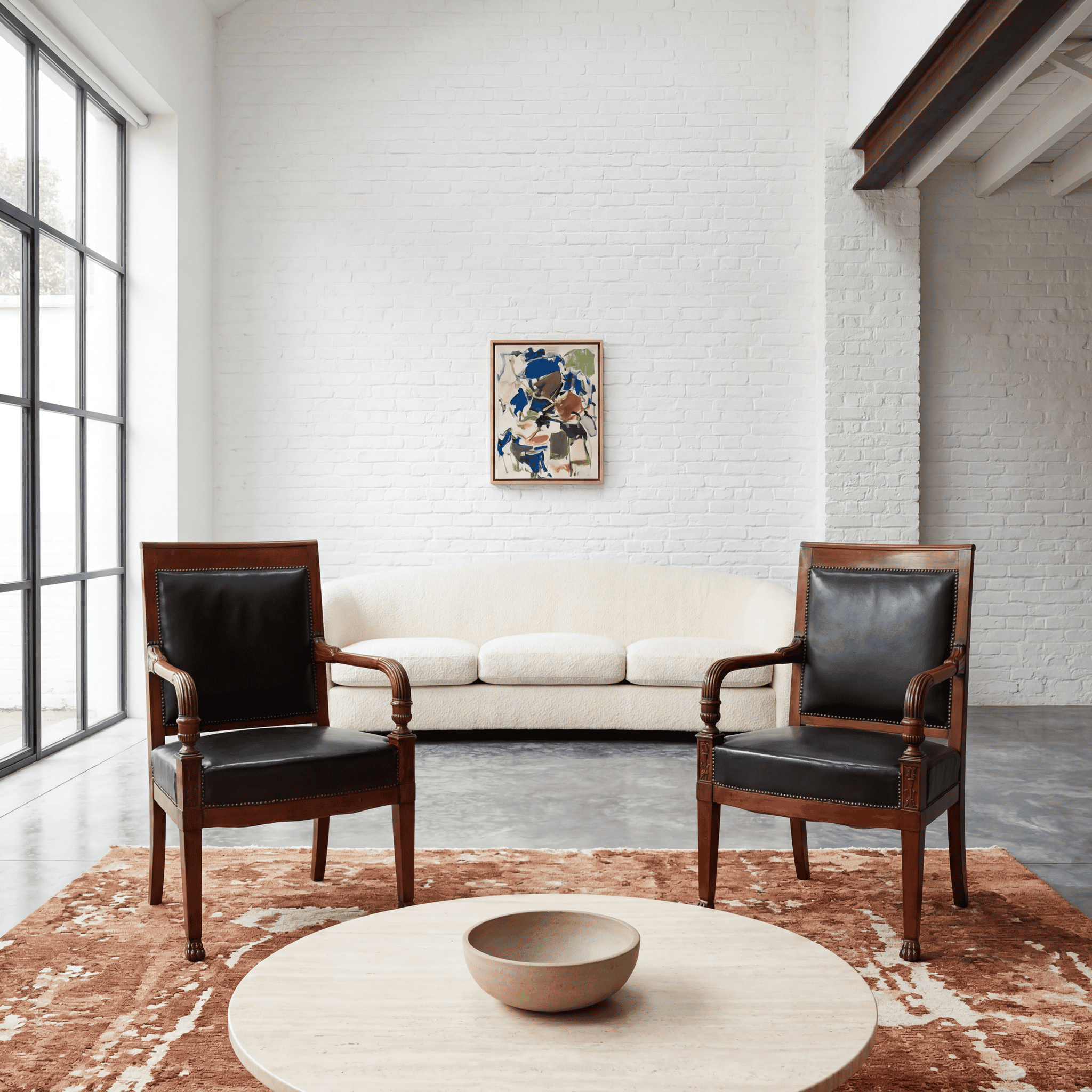
For collectors, antique chairs offer an accessible entry point into the world of antique furniture. For designers, they provide an opportunity to introduce authenticity into interiors that might otherwise feel overly polished or predictable.
The Rich Diversity of Continental European Chair Design
One of the greatest strengths of Continental European furniture lies in its diversity. Unlike a single national tradition, Continental Europe encompasses a wide range of regional styles shaped by local materials, cultural influences, and artistic movements.
French furniture emphasized elegance, comfort, and refinement. Italian workshops often approached furniture as sculpture, celebrating craftsmanship and ornamentation. German and Austrian cabinetmakers focused on precision, proportion, and practicality. Scandinavian designers adapted European influences into lighter and more restrained forms that reflected northern lifestyles and aesthetics.
These traditions developed independently while also influencing one another through trade, travel, and artistic exchange. The result was a remarkable variety of chair designs that continue to offer inspiration for contemporary interiors.
Rather than following a single formula, Continental European antique chairs demonstrate how different cultures interpreted beauty, comfort, and craftsmanship across centuries.
From Baroque to Biedermeier: The Evolution of European Chair Design
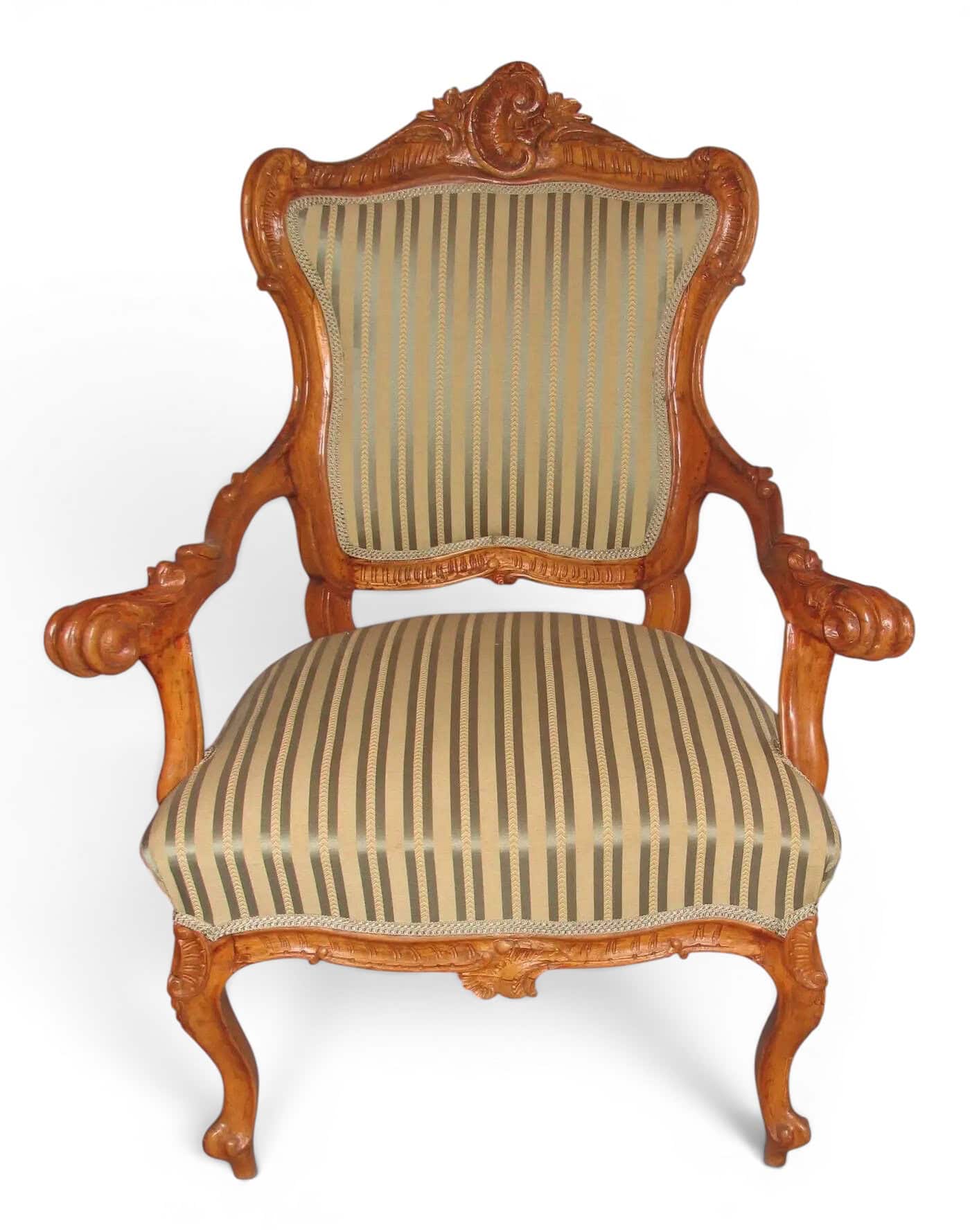
The history of European chair design is also the story of changing tastes and lifestyles.
Baroque furniture of the seventeenth century celebrated grandeur and theatricality. Chairs from this period often featured bold carving, dramatic proportions, and richly ornamented surfaces intended to communicate status and power.
The Rococo movement that followed introduced greater fluidity and elegance. Particularly influential in France, Rococo chairs embraced curved forms, asymmetry, and decorative motifs inspired by nature. Comfort became increasingly important, leading to some of the most graceful seating designs ever produced.
The late eighteenth century saw the rise of Neoclassicism. Inspired by discoveries in the ancient world, furniture became more restrained and architectural. Louis XVI chairs in France and Gustavian furniture in Sweden exemplified this return to symmetry, proportion, and classical ideals.
The Empire period introduced stronger forms influenced by Roman and Egyptian motifs, while the nineteenth century brought the emergence of Biedermeier furniture in Germany and Austria. Biedermeier’s emphasis on simplicity, functionality, and quality craftsmanship feels remarkably modern even today.
Understanding these stylistic developments allows collectors and designers to appreciate how antique chairs continue to influence contemporary furniture design.
French Antique Chairs: Timeless Elegance
French antique chairs remain among the most desirable categories of European seating. Their enduring popularity stems from an exceptional balance of comfort, beauty, and craftsmanship.
Louis XV chairs introduced flowing lines, cabriole legs, and a sense of effortless elegance. Their curved silhouettes soften contemporary interiors and create visual contrast alongside modern architecture.
Louis XVI seating introduced a more structured and restrained aesthetic. Fluted legs, geometric forms, and classical references gave these chairs a timeless sophistication that remains highly adaptable today.
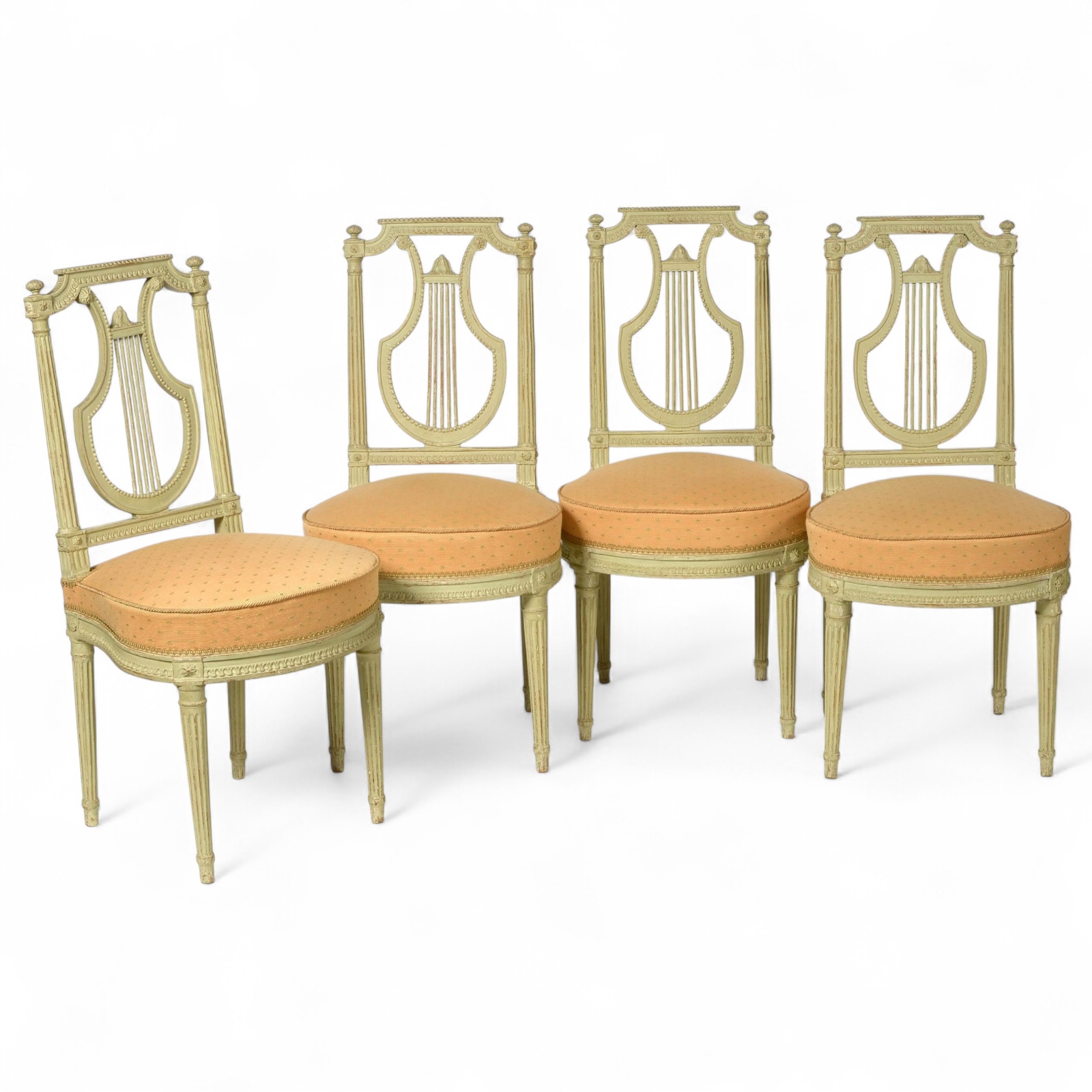
Provincial French chairs occupy a particularly important place in contemporary interiors. Often crafted from walnut, cherry, or fruitwood, they combine practical construction with understated beauty. Their authenticity and warmth make them especially attractive to designers seeking furniture that feels collected rather than staged.
Whether used individually or as part of a dining set, French antique chairs continue to demonstrate why France remains one of the most influential furniture-producing nations in history.
Biedermeier Chairs and the Beauty of Restraint
If one historical furniture style aligns naturally with contemporary interiors, it is Biedermeier.
Emerging in the German-speaking regions of Central Europe during the early nineteenth century, Biedermeier rejected excessive ornamentation in favor of proportion, functionality, and craftsmanship. The movement reflected changing social values and a growing appreciation for domestic comfort.
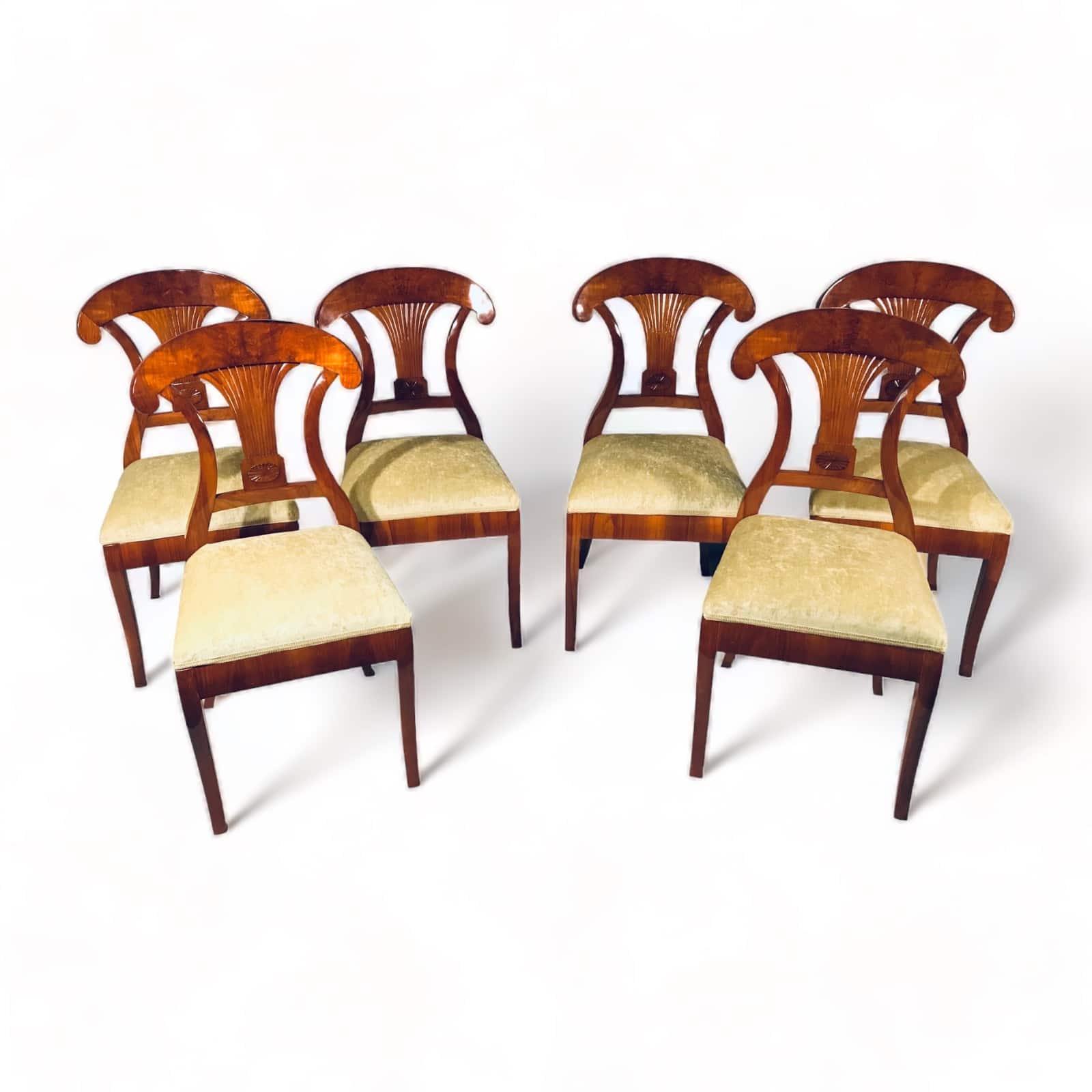
Biedermeier chairs are admired for their refined silhouettes, elegant veneers, and carefully balanced forms. Their beauty derives not from decoration but from the quality of their materials and construction.
This restraint makes them particularly attractive to modern designers. In minimalist spaces, Biedermeier chairs provide warmth without visual clutter. In historic settings, they contribute sophistication without formality.
Their enduring appeal demonstrates that truly good design rarely depends on ornament alone.
Swedish Gustavian Chairs and Scandinavian Lightness
Among all European chair styles, Gustavian seating may be the most versatile.
Developed during the reign of King Gustav III, the Gustavian style adapted French Neoclassicism to Scandinavian tastes and conditions. Furniture became lighter, simpler, and more restrained while retaining a sense of elegance.
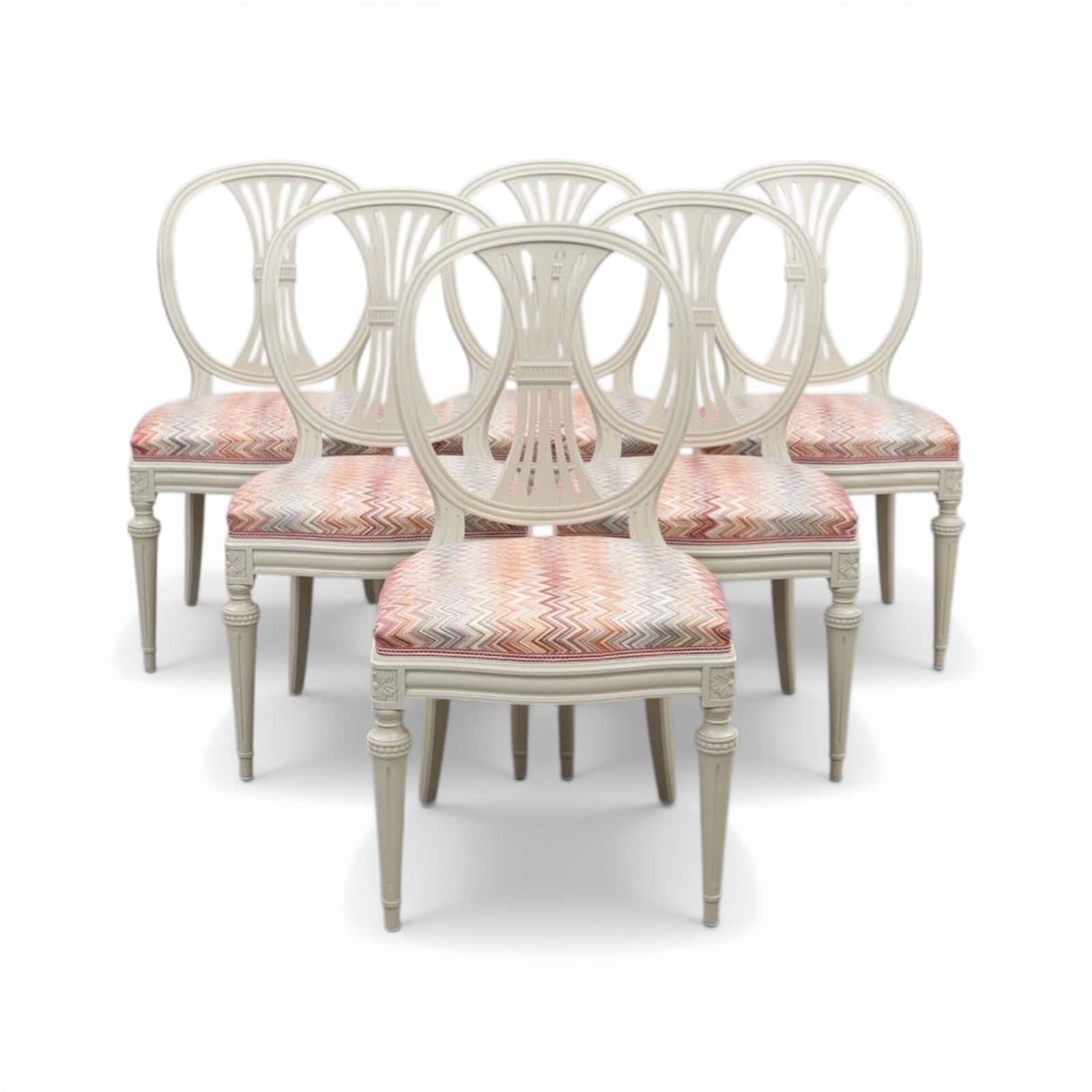
Painted finishes in soft greys, whites, and muted tones helped brighten interiors during long Nordic winters. Delicate carving and refined proportions created furniture that felt sophisticated without being imposing.
Today, Gustavian chairs are highly sought after because they integrate effortlessly into a wide variety of interiors. They work equally well in historic homes, contemporary apartments, coastal residences, and modern country houses.
Their success illustrates how simplicity and craftsmanship can transcend changing fashions.
Italian Antique Chairs: Furniture as Art
Italian cabinetmakers have long blurred the boundaries between furniture and sculpture.
From Renaissance walnut chairs to nineteenth-century neoclassical seating, Italian antique chairs often display extraordinary technical skill and artistic ambition. Rich materials, elegant carving, and architectural forms combine to create pieces that command attention without overwhelming a space.
Italian chairs frequently serve as focal points within contemporary interiors. Their visual richness introduces texture and depth, while their craftsmanship provides a tangible connection to centuries of artistic tradition.
For collectors seeking statement pieces, few categories rival the expressive power of Italian seating.
Antique Dining Chairs Versus Accent Chairs
Not all antique chairs serve the same purpose, and understanding the distinction between dining chairs and accent chairs is important when designing an interior.
Antique dining chairs contribute rhythm and cohesion. Whether arranged as matching sets or assembled collections, they shape the atmosphere of dining spaces and often become central elements within a room.
Accent chairs serve a different role. A single French bergère, Gustavian side chair, or Italian armchair can introduce a sense of history and individuality to an otherwise contemporary environment.
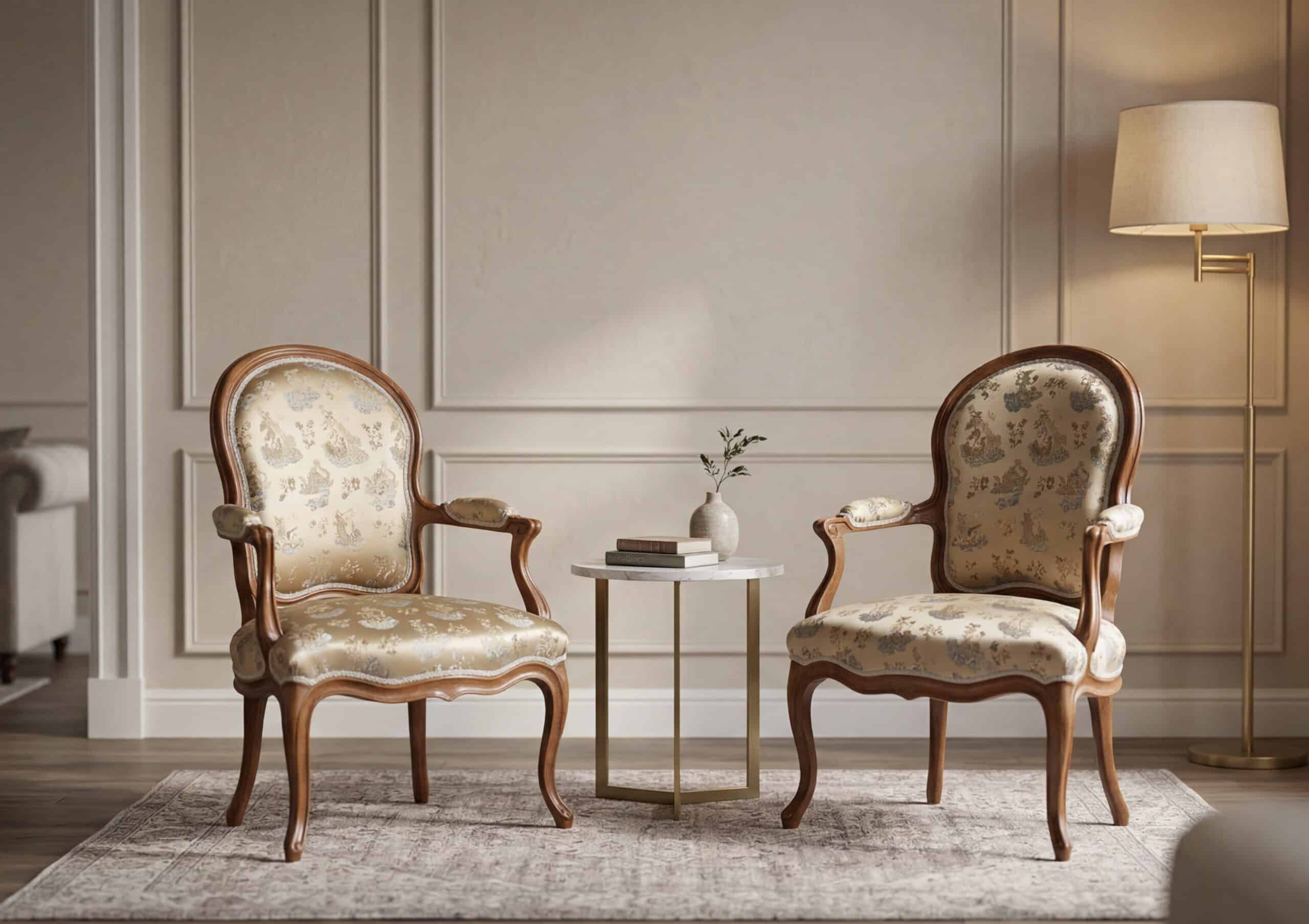
Many designers deliberately mix antique dining chairs with modern tables or pair antique accent chairs with contemporary upholstery. These combinations create interiors that feel layered and personal rather than overly coordinated.
What Collectors Look For
Experienced collectors evaluate antique chairs according to several key criteria.
Originality remains one of the most important considerations. Original surfaces, finishes, and construction details often contribute significantly to both value and historical integrity.
Patina is equally important. The subtle wear that develops through age gives antique furniture its character and authenticity. Unlike artificial distressing, genuine patina reflects the passage of time and the history of use.
The longevity of antique chairs often depends on sensitive restoration. Skilled restoration can strengthen construction, preserve veneers and original craftsmanship, and ensure that a chair continues to be used and appreciated. Reupholstery in contemporary textiles is another way to give historic seating new life, creating a dialogue between past and present. Thoughtful restoration not only preserves heritage but also allows antique chairs to integrate seamlessly into modern interiors.
Provenance can further enhance significance. Documentation linking a chair to a particular maker, collection, or historical context adds an additional layer of interest for serious collectors.
Ultimately, the most desirable antique chairs combine craftsmanship, originality, condition, and visual appeal.
Why Designers Continue to Mix Antique and Contemporary Furniture
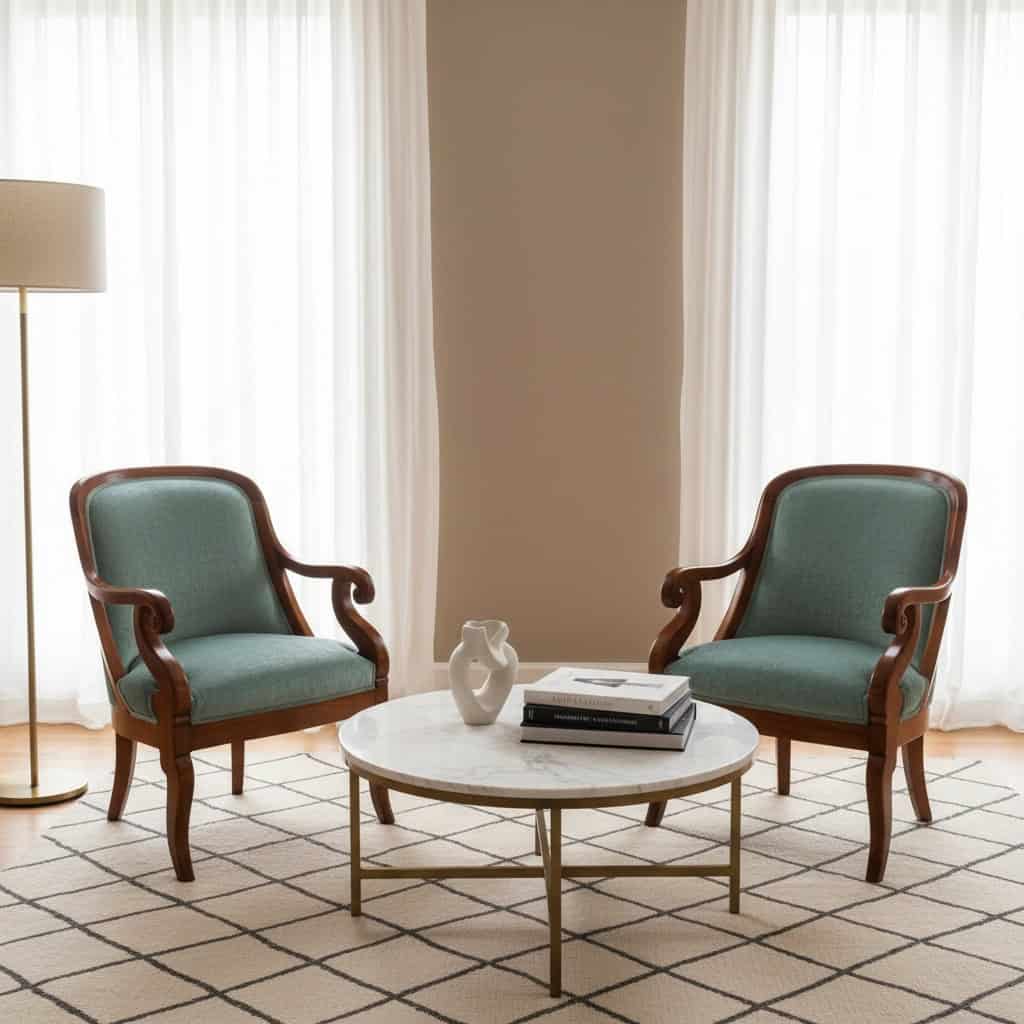
Contemporary interiors increasingly favour contrast over uniformity. Rather than filling rooms with furniture from a single period, designers create layered environments that reflect multiple influences and eras.
Antique chairs play an essential role in this approach.
A set of Gustavian dining chairs can soften the clean lines of a contemporary table. French provincial seating introduces warmth into minimalist architecture. A Biedermeier side chair can provide visual balance within a modern office or bedroom.
These juxtapositions create interiors that feel authentic and lived-in rather than formulaic. The contrast between old and new enhances both, allowing craftsmanship and contemporary design to coexist in meaningful ways.
For many designers, antique chairs are among the most effective tools for creating spaces with depth and personality.
Sustainability Through Preservation
The growing interest in antique furniture also reflects changing attitudes toward sustainability.
Every antique chair that remains in use represents an object preserved rather than discarded. Choosing antique furniture reduces demand for newly manufactured products and supports a more circular approach to consumption.
Unlike many modern furnishings designed for relatively short lifespans, antique chairs have already demonstrated their durability across generations. Their continued use is both environmentally responsible and economically sensible.
In this sense, collecting antique furniture is not only about aesthetics or history. It is also an investment in preservation and longevity.
A Lasting Investment in Character
Continental European antique chairs remain essential in contemporary interiors because they offer qualities that are increasingly difficult to find elsewhere. Their craftsmanship reflects centuries of knowledge, their materials age beautifully, and their individuality enriches every space they inhabit.
Whether French, Swedish, Italian, Austrian, German, Dutch, or Belgian in origin, these chairs continue to demonstrate the enduring relevance of thoughtful design and skilled workmanship.
Far more than functional objects, they are tangible expressions of European cultural heritage. As contemporary interiors place greater emphasis on authenticity, sustainability, and personal expression, the importance of Continental European antique chairs is likely to grow even further.
Their history may belong to the past, but their place in modern interiors remains firmly in the present.

Silke Berlinghof
People also buy
Antique and Vintage Seating
Antique and Vintage Seating
Antique Furniture and Decor
Antique Furniture and Decor
Antique Furniture and Decor
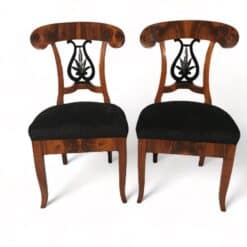
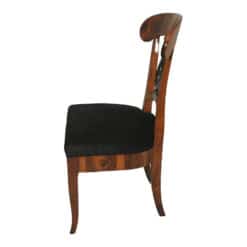
Set of Five Biedermeier Chairs, Cherry Wood, Germany circa 1830
Accent chairs
Antique Furniture and Decor
Antique Furniture and Decor
Antique Furniture and Decor
Antique Furniture and Decor
Antique Furniture and Decor