
Best Sellers
Antique Furniture and Decor
Antique and Vintage Seating
Antique Furniture and Decor
Antique Furniture and Decor
Antique Furniture and Decor
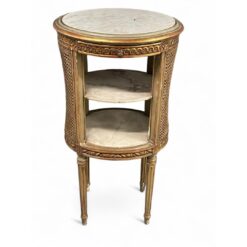
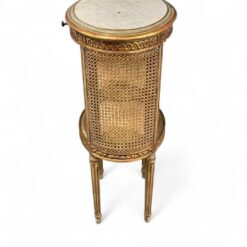
Oval Gilt Wood Side Table , Napoleon III 1850-60, Gilt Wood and Cane
Antique Furniture and Decor
Antique Furniture and Decor
Antique Furniture and Decor
Antique Furniture and Decor
Accent chairs
Antique Furniture and Decor
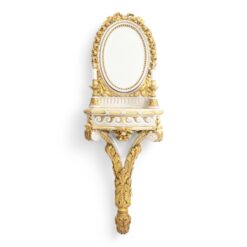
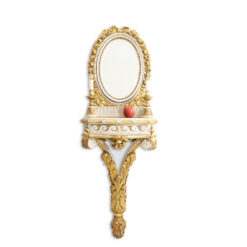
Wall Console in Gilded and Lacquered Wood in Louis XVI Style, Circa 1900
Antique Furniture and Decor
Antique Furniture Guide, Decoration Tips, Furniture, How-To & Inspiration, Lighting
Antique Furniture Interior Designers Can Easily Incorporate into Contemporary Interiors
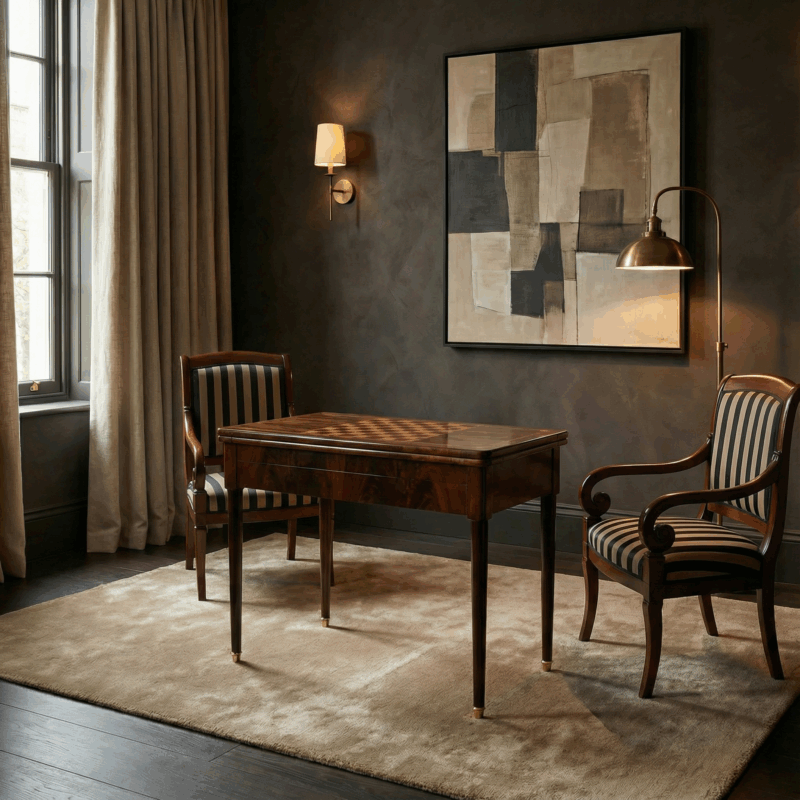
If you are an interior designer looking to incorporate antique furniture into contemporary interiors, understanding the history, design, and versatility of certain key pieces is essential.
While the world of antique furniture spans centuries, a few key forms consistently deliver timeless style, functionality, and versatility. These are the pieces that designers return to again and again — not for nostalgia, but for proportion, craftsmanship, and adaptability.
In this article, we highlight five antique pieces every interior designer should know, with insights on their history, design, and practical applications in modern interiors.
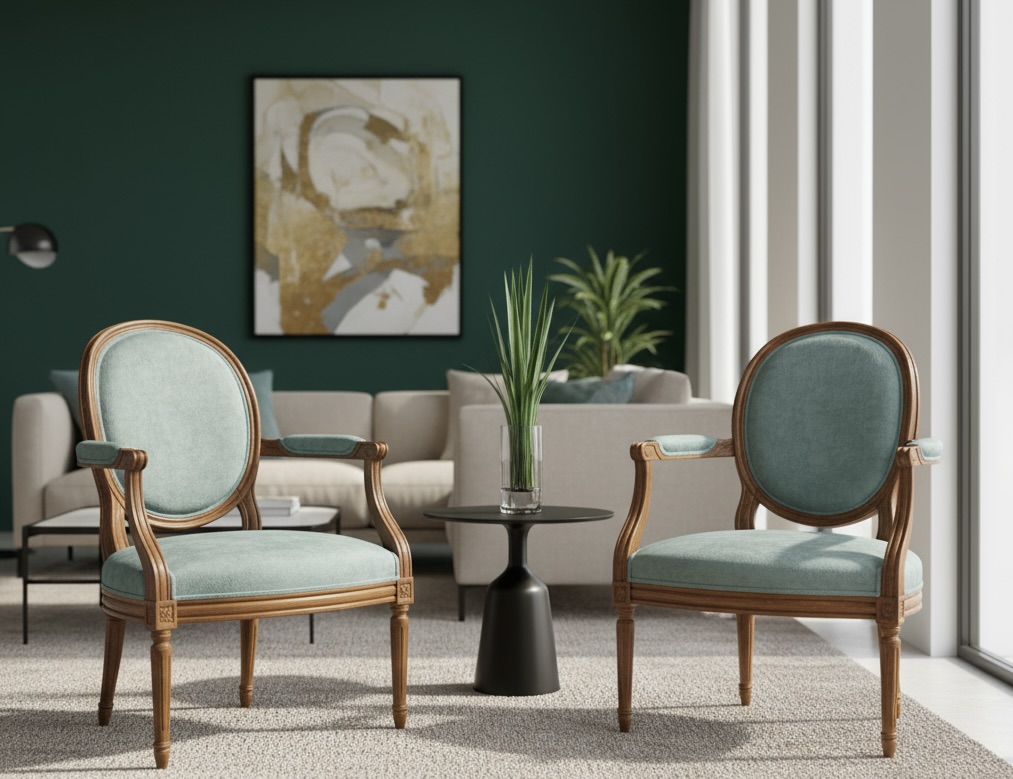
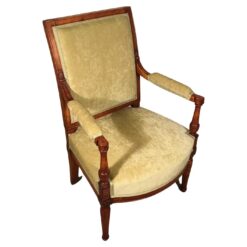
1. Louis XVI Side Chairs
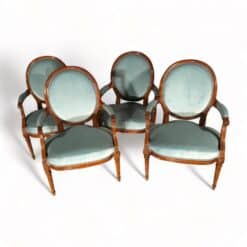
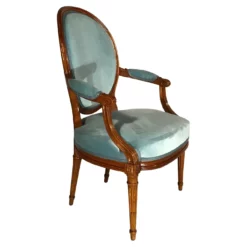
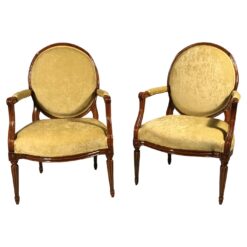
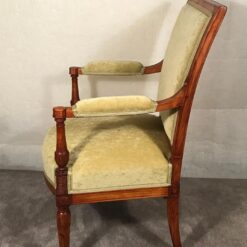
History: Originating in late 18th-century France, Louis XVI side chairs or armchairs are rooted in the neoclassical movement. Characterized by straight lines, delicate carvings, and refined proportions, these chairs were designed for both comfort and elegance.
Designer Relevance: Louis XVI chairs are lightweight, architectural, and endlessly reupholsterable. Their restrained ornamentation allows them to fit seamlessly into a variety of contemporary interiors — from living rooms to home offices.
Where It Works: Dining and living rooms, desks, bedrooms, or boutique hospitality projects.
Sourcing Tip: At Styylish, we source Louis XVI chairs with solid frames, intact joinery, and exceptional carving. We can provide options ready for reupholstery in your project-specific fabrics, ensuring each chair fits seamlessly into your design.
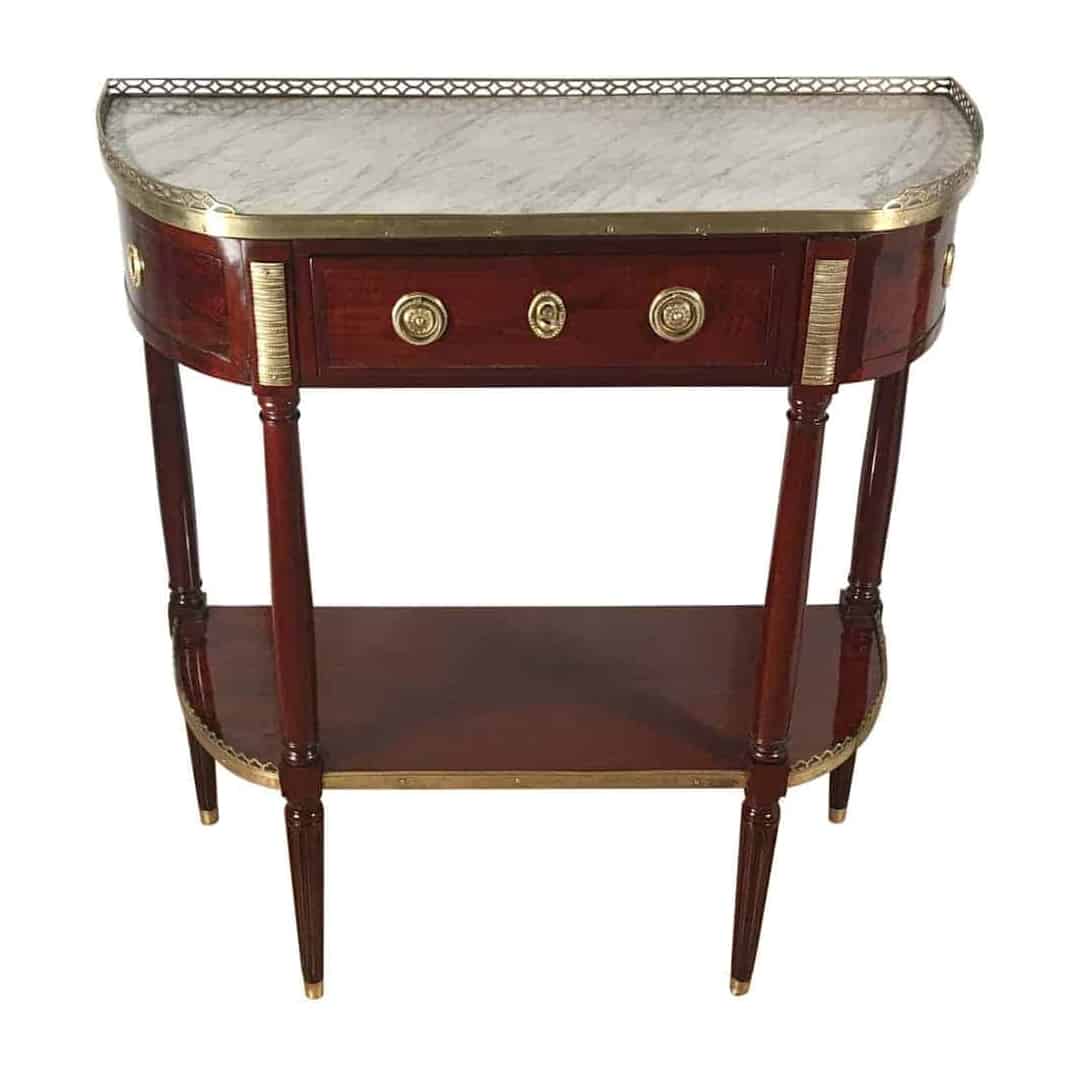
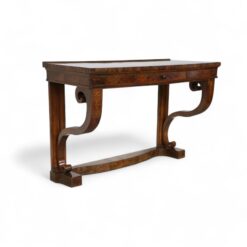
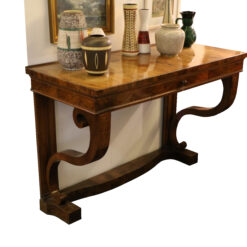
2. Directoire or Early Empire Console Table
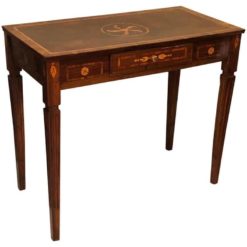
History: Emerging in post-Revolutionary France, Directoire and Early Empire consoles reflect a shift toward clean lines and disciplined ornamentation. These pieces combine neoclassical elegance with the simplicity demanded by a new social order.
Designer Relevance: The minimal yet refined aesthetic of a Directoire console makes it a versatile transitional piece. It bridges classical elegance and modern restraint, ideal for designers seeking sophistication without excess.
Where It Works: Entryways, living rooms, behind sofas, or even as a display surface in commercial interiors.
Sourcing Tip: At Styylish, we carefully select Directoire and Early Empire consoles with well-preserved veneers and balanced proportions. Our team can provide detailed condition reports and advice on restoration or refinishing, ensuring each table is ready to integrate seamlessly into your design projects.
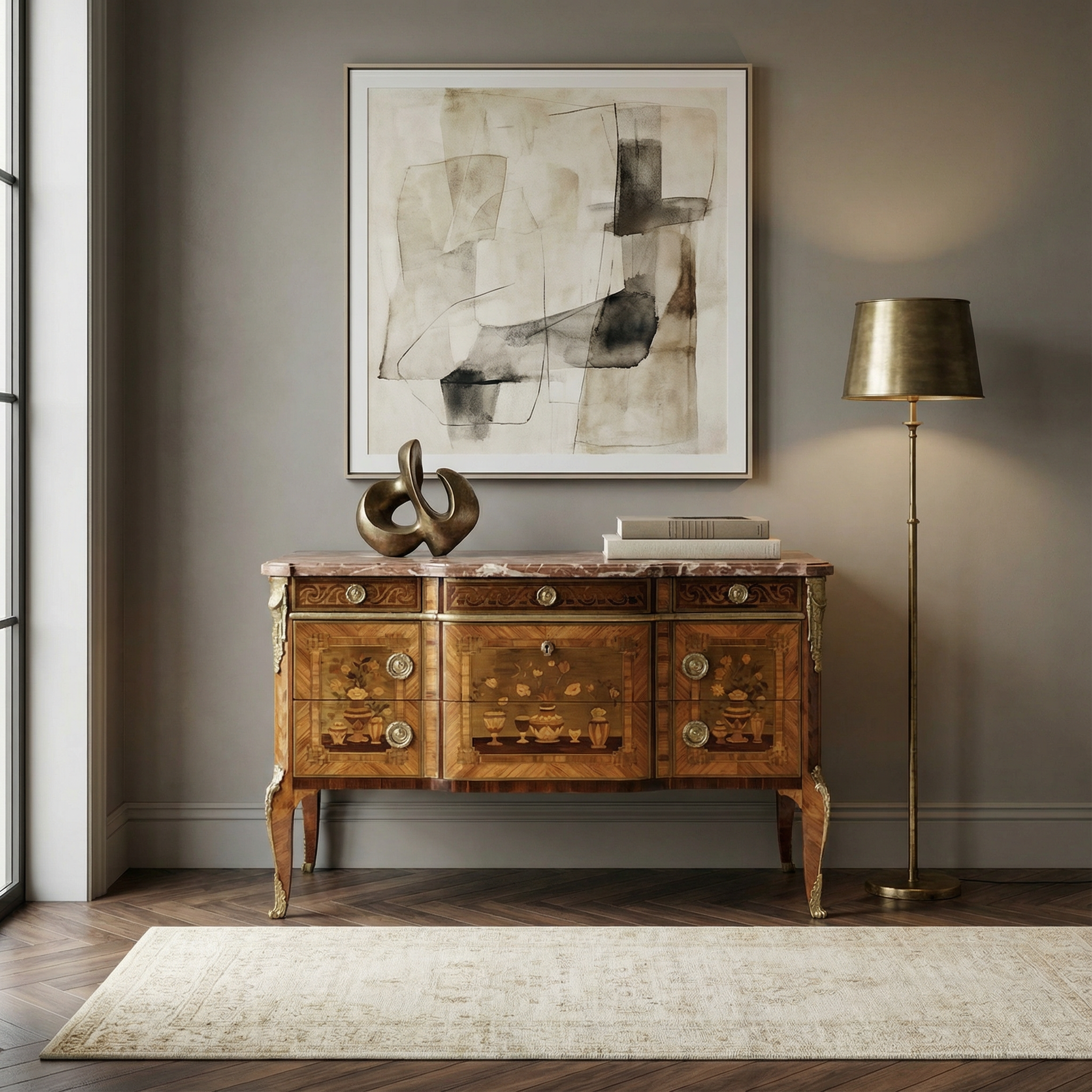
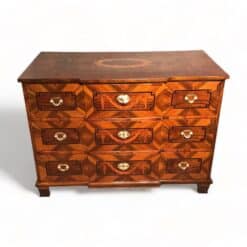
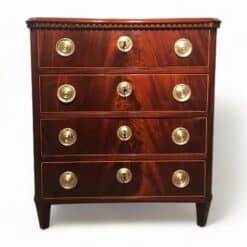
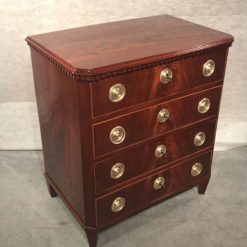
3. Antique French Commodes/ Chests of Drawers
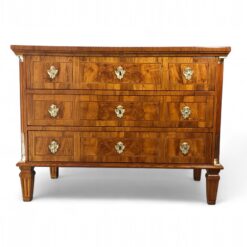
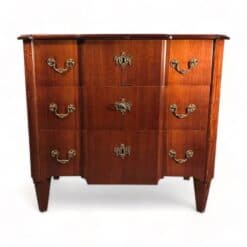
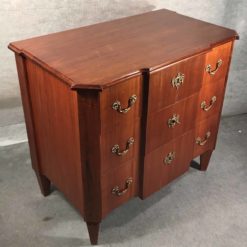
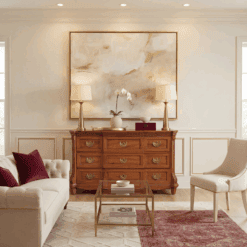
History: French commodes or chests of drawers from the Louis XV and Louis XVI periods are functional yet sculptural. They combine elegant curves, ornate handles, and exquisite veneers, reflecting the artistry of 18th-century French cabinetmaking.
Designer Relevance: A well-chosen commode adds both storage and visual weight to a room. Its sculptural qualities make it a focal point without dominating the space.
Where It Works: Bedrooms, living rooms, entryways or boutique hospitality suites.
Sourcing Tip: At Styylish, we carefully select French commodes with smooth drawer operation, well-preserved veneers, and original hardware. Our restoration services bring the pieces to their former glory, ensuring that each piece is fully functional and ready for contemporary interiors.
4. Biedermeier Table, Chest, or Chairs
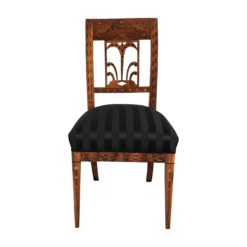
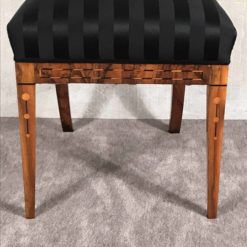
History: Biedermeier furniture, originating in early 19th-century Central Europe, emphasizes simplicity, proportion, and utility. Using light woods like maple and cherry, these pieces favor clean lines and minimal ornamentation.
Designer Relevance: Biedermeier pieces are a favorite among interior designers for modern and transitional interiors. Their understated elegance and functional design make them highly adaptable.
Where It Works: Dining rooms, home offices, or small-scale living spaces. Biedermeier chairs and tables can serve as a subtle backdrop for contemporary interiors, while chests add practical storage without overwhelming the room.
Styylish Sourcing Tip: Styylish carefully selects Biedermeier tables, chests, and chairs with durable joinery and elegant, understated lines. We can assist with refinishing or custom upholstery to tailor each piece to your project’s scale, color palette, and aesthetic.
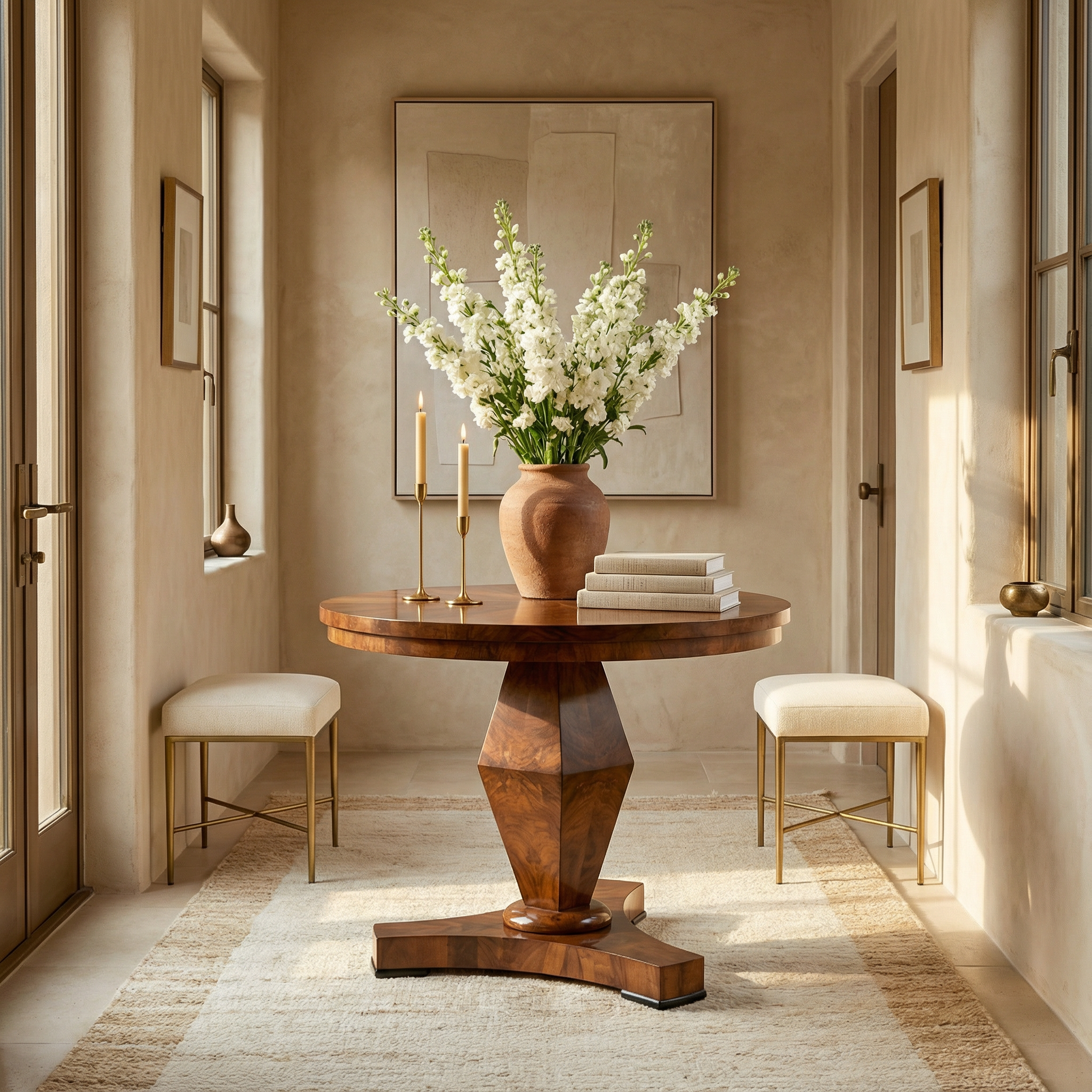
5. Antique Lighting: Sconces or Small Chandeliers
History: European lighting from the 18th and 19th centuries — including sconces and small chandeliers — was designed to be both functional and sculptural. Materials often include gilded bronze, brass, and blown glass, creating a warm, ambient glow.
Designer Relevance: Lighting is an essential tool for creating atmosphere and highlighting architectural or decorative features. Antique lighting adds character, texture, and depth to contemporary interiors.
Where It Works: Hallways, above consoles, living spaces, or boutique hospitality projects. Even a single pair of sconces can transform a room.
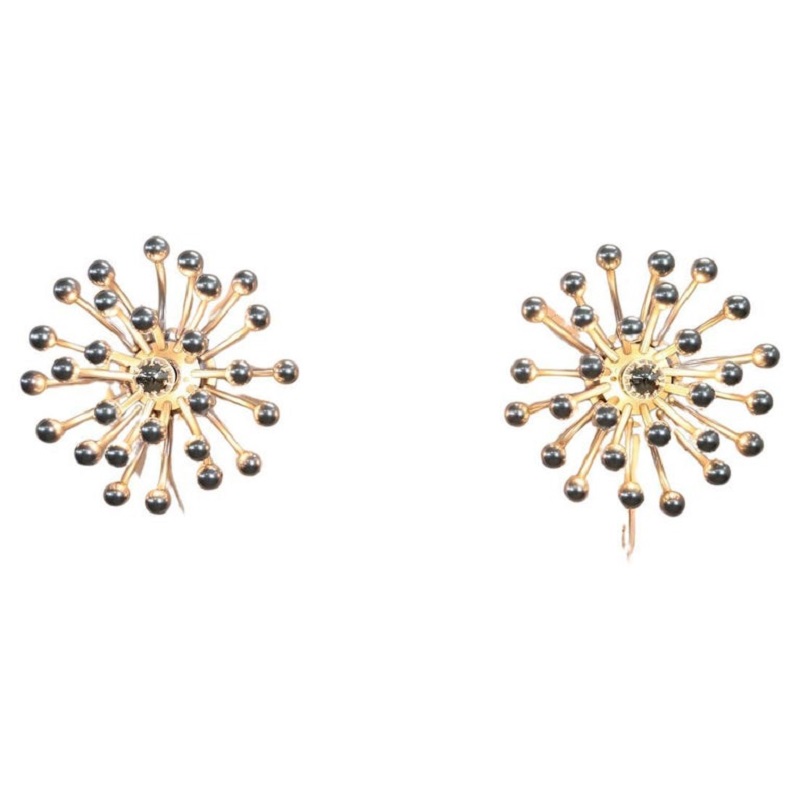
Styylish Sourcing Tip: We provide antique lighting with original finishes and carefully inspected electrification. Our team can advise on safe restoration, rewiring, or finishing, so each sconce or chandelier works perfectly while retaining its historic character.
Bringing These Pieces Into Contemporary Interiors
Each of these five forms — Louis XVI chairs, Directoire consoles, French commodes, Biedermeier furnishings, and antique lighting — has endured for centuries because of its versatility, proportion, and timeless design. Interior designers use them as anchors, focal points, and complementary elements, integrating antique elegance into modern contexts seamlessly.
At Styylish, we work closely with interior designers to source, restore, and adapt these classic pieces for residential and hospitality projects. From furniture to lighting, our curated collection, restoration services, and project-based support make it easy to incorporate antiques into contemporary interiors with confidence.

Silke Berlinghof
People also buy
Antique Furniture and Decor
Antique Furniture and Decor
Antique Furniture and Decor
Antique Furniture and Decor
Antique Furniture and Decor
Accent chairs
Antique Furniture and Decor
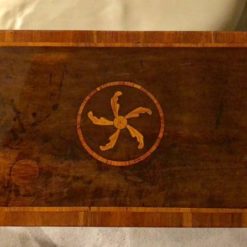
Console Tables
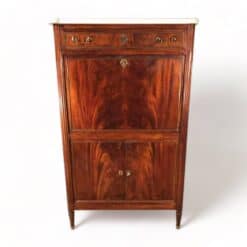
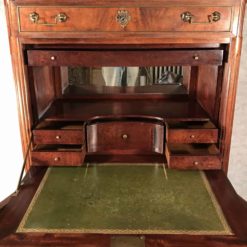
Antique Furniture and Decor
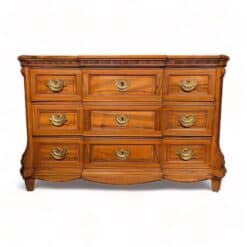
Antique Furniture and Decor
Accent chairs
Antique and Vintage Seating