
Best Sellers
Antique Furniture and Decor
Antique Furniture and Decor
Antique Furniture and Decor
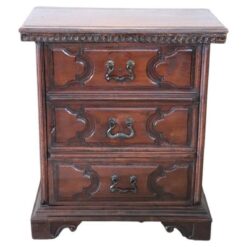
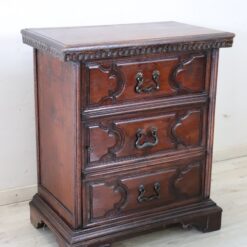
17th Century Italian Louis XIV Carved Walnut Antique Commode or Chest of Drawers
Antique Furniture and Decor
Antique Furniture and Decor


Antique Furniture and Decor
Antique Furniture and Decor
Antique Furniture and Decor
Antique Furniture and Decor
Antique Furniture and Decor
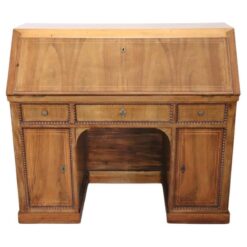
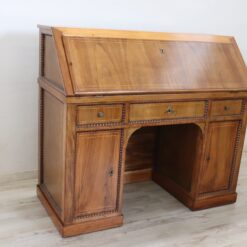
Rare 18th Century Italian Tuscany Solid Walnut Antique Nightstand
Antique Furniture and Decor
Antique Furniture and Decor
Antique Furniture Guide, Biedermeier, Furniture, Neoclassical Furniture
How to identify High-Quality Antique Furniture
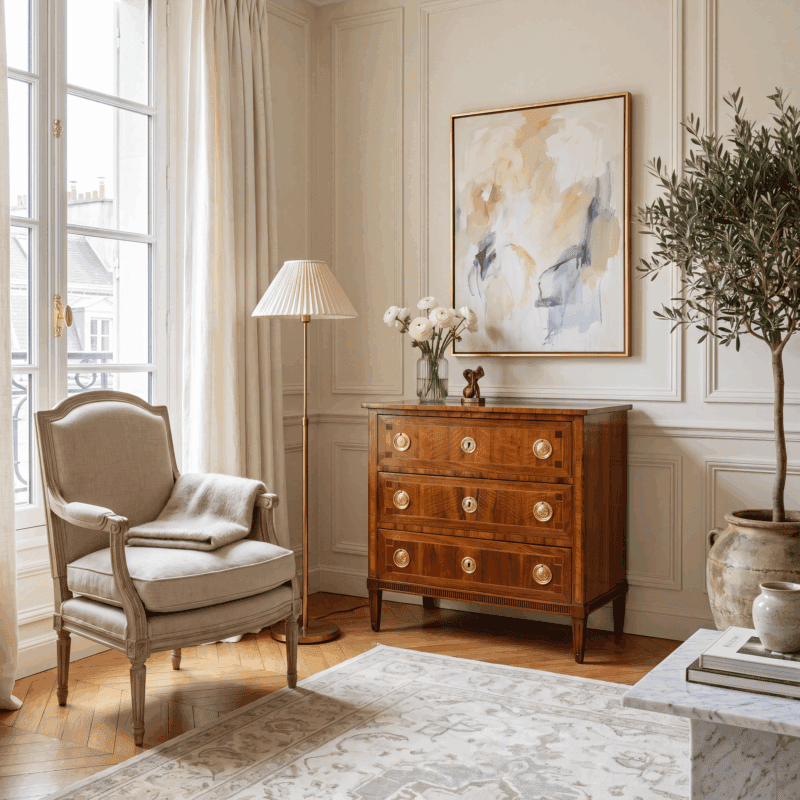
Buying high-quality antique furniture is about more than finding a beautiful piece. The finest antiques combine exceptional craftsmanship, high-quality materials, thoughtful design, and centuries of history. While reproductions can imitate the appearance of older furniture, they rarely match the construction, character, and longevity of authentic antiques.
Whether you are furnishing a home, sourcing for a design project, or beginning a collection, learning how to recognize quality will help you make informed decisions. Here are ten characteristics that experienced collectors, dealers, and interior designers look for when evaluating antique furniture.
1. Superior Craftsmanship
The first sign of quality is craftsmanship. Before industrial production, furniture makers relied on skilled handwork and carefully selected materials. Every component was shaped, assembled, and finished by experienced artisans.
Look closely at the details. Hand-carved ornament, crisp moldings, elegant proportions, and refined finishes all indicate a high level of craftsmanship. Even simple Biedermeier or Gustavian pieces reveal remarkable precision through their clean lines and balanced proportions.
Well-made antique furniture feels solid, stable, and thoughtfully constructed.
2. Traditional Joinery
One of the easiest ways to identify quality antique furniture is by examining the joinery.
Cabinets, chests of drawers, and tables often feature traditional techniques such as:
- Hand-cut dovetail joints
- Mortise-and-tenon construction
- Wooden pegs
- Dowel joinery
These methods were developed long before modern screws and particleboard. They create exceptionally strong furniture that often remains structurally sound after more than 100 or even 200 years.
Machine-made reproductions frequently use staples, nails, or modern fasteners that lack the same durability.
3. High-Quality Woods and Veneers
The finest European furniture makers selected woods not only for their beauty but also for their stability.
Common woods include:
- Walnut
- Mahogany
- Oak
- Cherry
- Elm
- Maple
- Satinwood
- Rosewood
- Fruitwoods
Many prestigious cabinetmakers also used carefully matched veneers to create dramatic grain patterns. Contrary to popular belief, veneer is not a sign of inferior quality. Throughout the 18th and 19th centuries, veneer allowed craftsmen to showcase rare and highly figured woods while minimizing movement caused by changes in humidity.
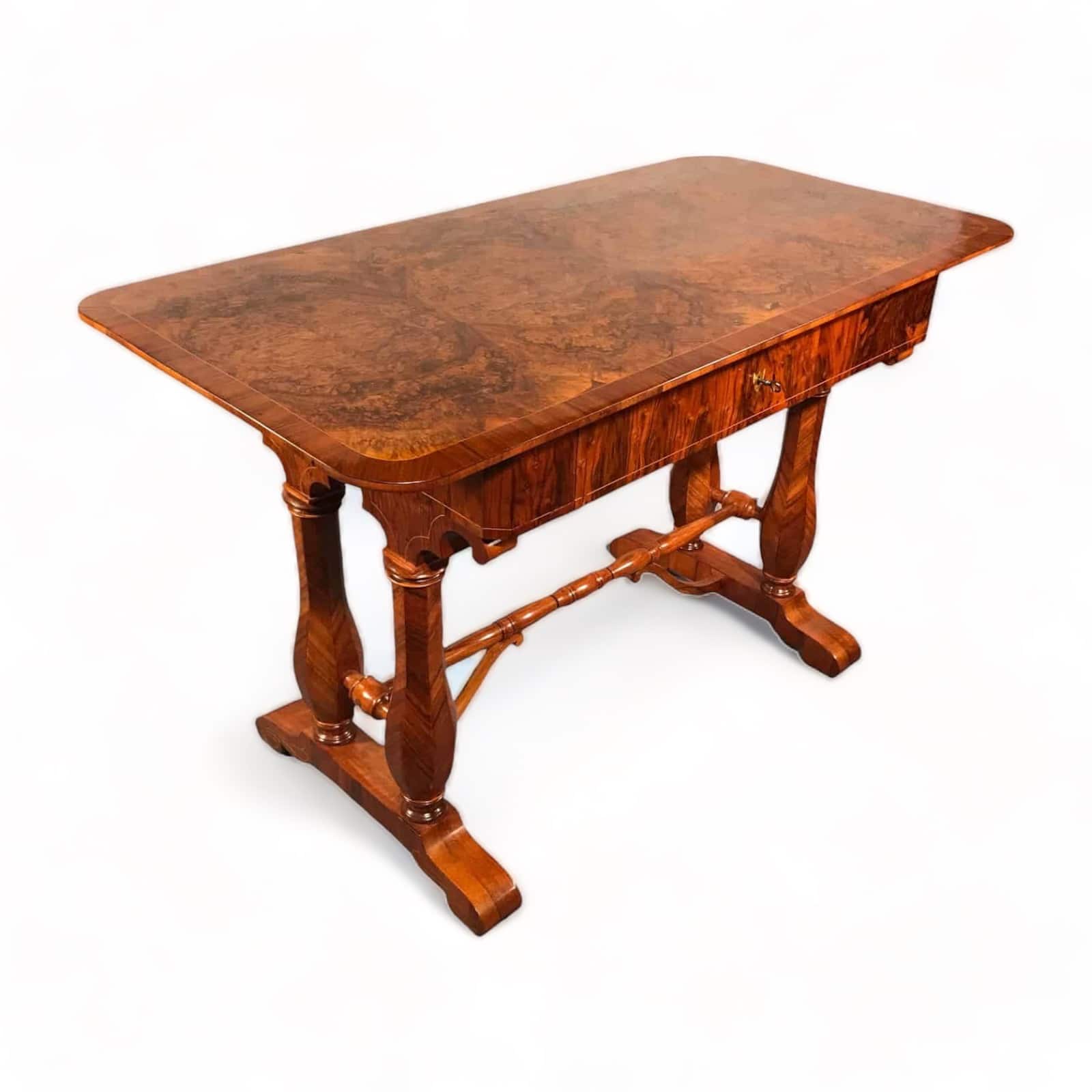
Beautiful bookmatched walnut or flame mahogany veneers remain among the hallmarks of fine antique furniture.
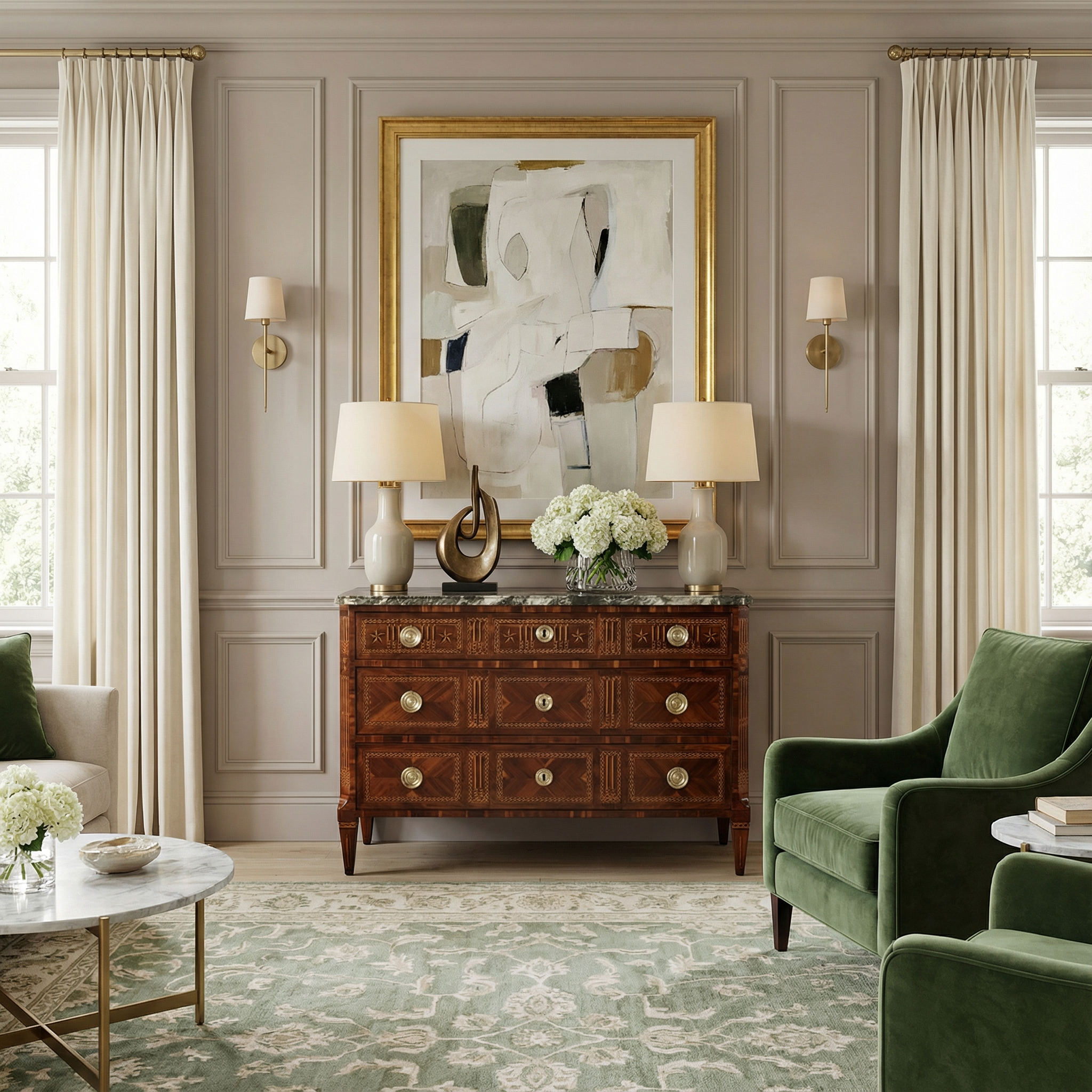
4. Elegant Proportions
Great furniture is not simply well built—it is beautifully proportioned.
Master cabinetmakers carefully balanced width, height, and depth to create harmonious designs. Even highly decorative pieces feel graceful rather than overwhelming.
This sense of proportion explains why antique furniture integrates so naturally into both traditional and contemporary interiors. A well-designed Louis XVI chest of drawers, a Biedermeier chest of drawers, or a Gustavian cabinet can complement modern architecture just as effectively as a historic home.
5. Original Character and Traditional Finishes
One of the qualities that makes antique furniture so appealing is the depth and warmth that develops over time. While collectors often refer to this as patina, not every antique should remain completely untouched.
Many pieces have been cleaned, repaired, or refinished throughout their long history. When carried out using traditional techniques, these restorations preserve both the beauty and the integrity of the furniture.
A carefully applied hand-polished shellac finish, for example, enhances the natural figure of woods such as walnut, mahogany, or cherry while remaining true to historical craftsmanship. Unlike thick modern polyurethane coatings, shellac creates a warm, luminous surface that can be maintained and renewed for generations.
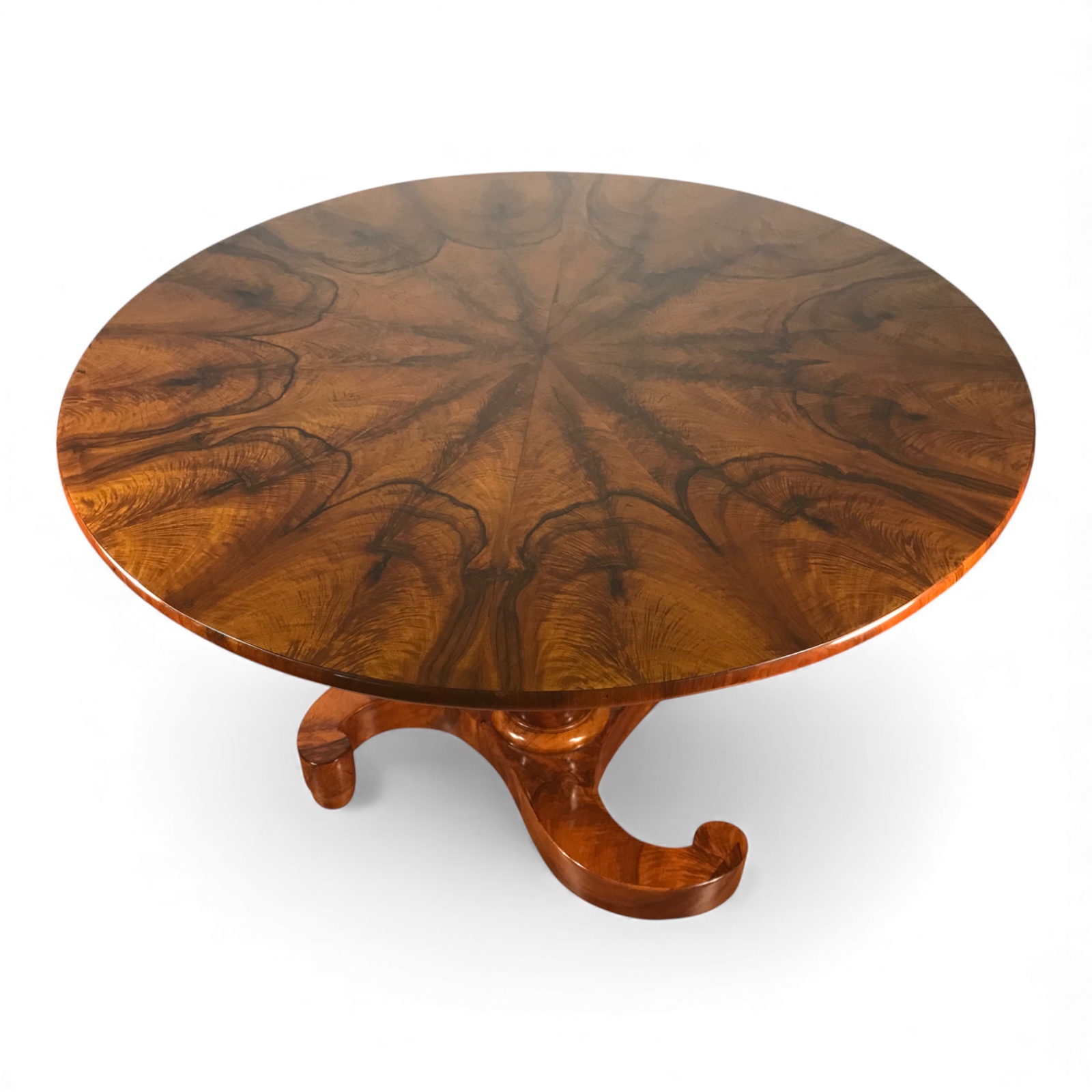
The goal of professional restoration is not to erase a piece’s history, but to reveal its original beauty while preserving its character. High-quality restoration respects the proportions, materials, and craftsmanship of the antique, allowing it to be enjoyed for many decades to come.
6. Quality Hardware
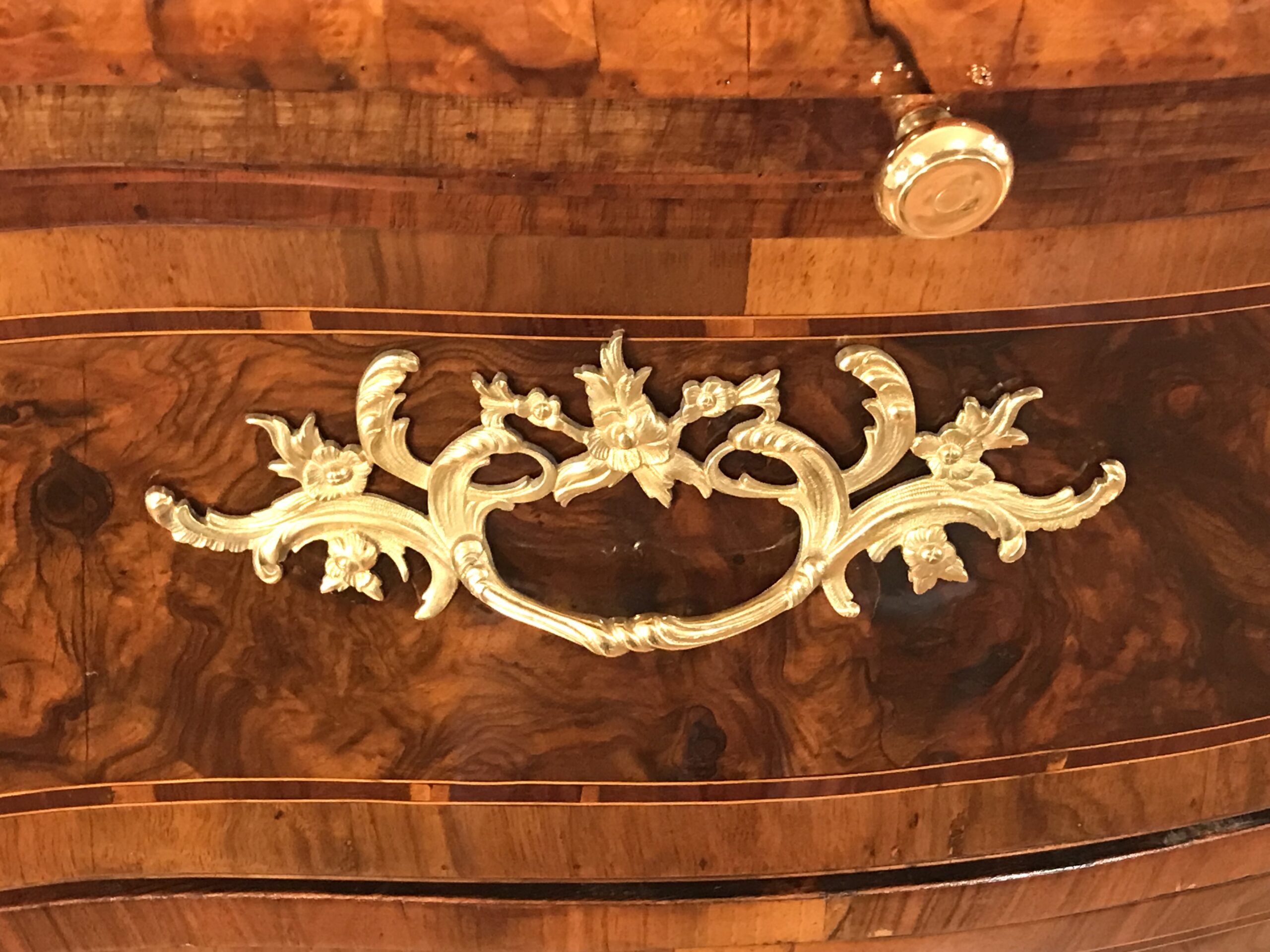
Drawer pulls, locks, hinges, and bronze mounts reveal a great deal about a piece.
Original hardware typically features:
- Hand-finished brass or bronze
- Crisp casting details
- Natural wear consistent with age
- High-quality craftsmanship
Original locks and key escutcheons are especially desirable. Even when replacements have been made over the centuries, they should be appropriate to the period and style.
Well-executed hardware often distinguishes museum-quality furniture from ordinary examples.
7. Thoughtful Restoration
Many buyers assume that completely untouched furniture is always preferable. In reality, professional restoration often preserves a piece for future generations.
High-quality restoration may include:
- Stabilizing the structure
- Reattaching loose veneer
- Repairing joints
- Cleaning the original finish
- Applying a traditional shellac polish when appropriate
- Conserving original hardware
Poor restoration, however, can reduce both historical integrity and visual appeal. Thick polyurethane finishes, excessive sanding, or replacing original components unnecessarily should be avoided.

The best restoration respects the history of the piece while ensuring that it remains functional.
8. Signs of Age and Authenticity
Authentic antique furniture usually displays subtle evidence of age.
You may notice:
- Slight shrinkage of solid wood panels
- Small variations from hand tools
- Gentle wear on drawer runners
- Minor irregularities in carving
- Natural oxidation of metal components
These characteristics are not flaws. They help tell the story of the furniture and distinguish genuine antiques from modern reproductions.
No two handcrafted pieces are exactly alike.
9. Provenance and Documentation
Whenever possible, ask about a piece’s history.
Although not every antique comes with extensive documentation, information about its origin, maker, country of manufacture, or previous ownership adds confidence and historical context.
Reputable dealers also provide detailed descriptions, accurate dimensions, restoration information, and high-resolution photographs so buyers understand exactly what they are purchasing.
Transparency is an important indicator of quality.
10. Timeless Design
Perhaps the greatest sign of quality is lasting design.
Furniture styles have changed dramatically over the centuries, yet exceptional pieces continue to feel relevant. Whether it is the restrained elegance of the Restoration period, the clean geometry of Biedermeier, or the refined ornament of Louis XVI furniture, truly well-designed antiques transcend trends.
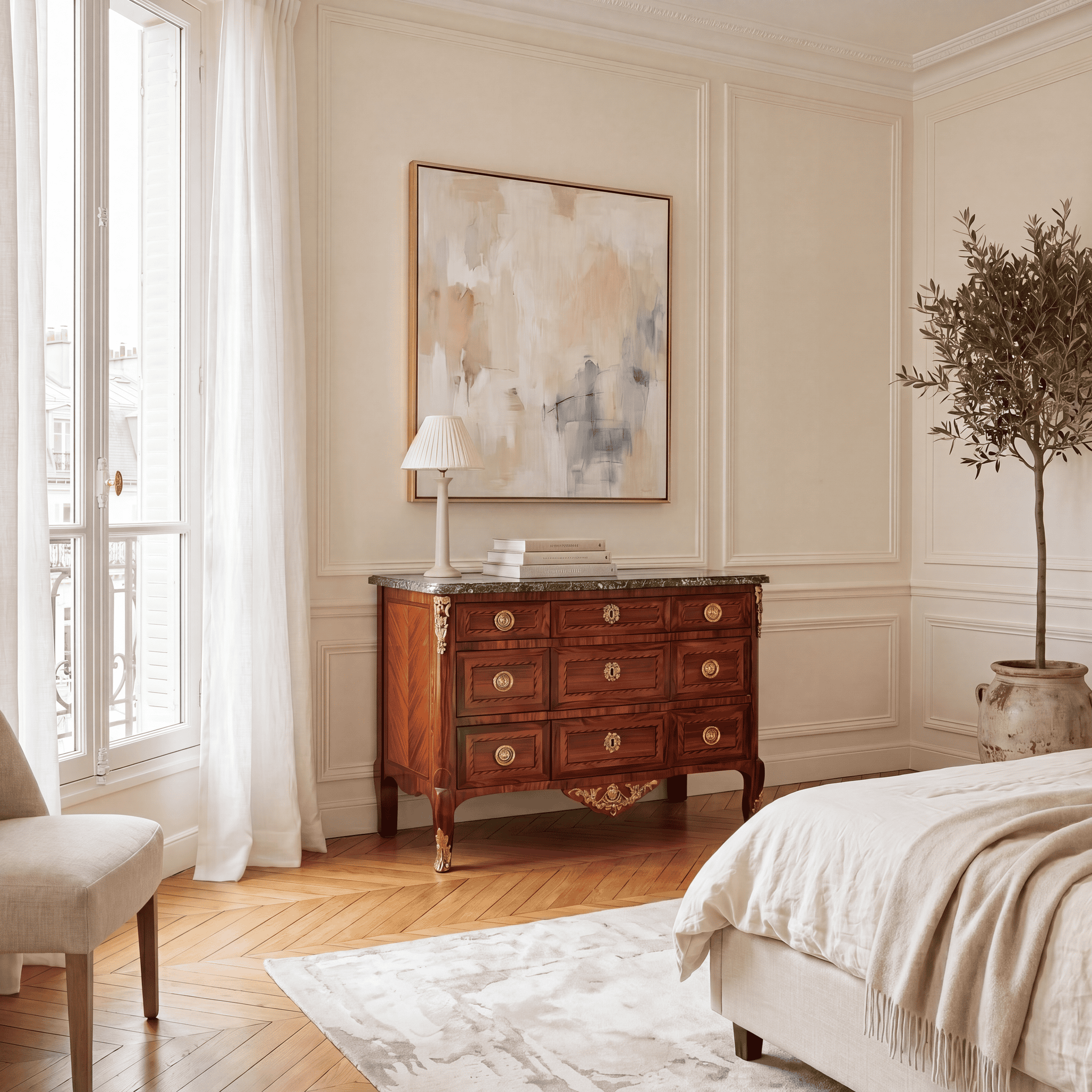
This timeless quality explains why interior designers frequently combine antique furniture with contemporary art, modern lighting, and minimalist architecture. The contrast creates interiors that feel layered, personal, and impossible to replicate with newly manufactured furniture alone.
Why Quality Matters
Choosing high-quality antique furniture is an investment in craftsmanship, sustainability, and design. Unlike mass-produced furnishings, well-made antiques have already demonstrated their durability over generations.
Each piece represents the work of skilled artisans who selected fine materials, mastered traditional woodworking techniques, and created furniture intended to last for centuries. When properly cared for, these pieces will continue to serve future generations while adding warmth, character, and authenticity to any interior.
At Styylish, we carefully curate European antique furniture that reflects these enduring standards of quality. Every piece is selected for its craftsmanship, condition, historical significance, and timeless design, helping collectors and interior designers find exceptional furniture that can be appreciated for many years to come.

Silke Berlinghof
People also buy
Antique Furniture and Decor
17th Century Italian Louis XIV Carved Walnut Antique Commode or Chest of Drawers
Antique Furniture and Decor
Antique Furniture and Decor
Antique Furniture and Decor
Antique Furniture and Decor
Antique Furniture and Decor
Rare 18th Century Italian Tuscany Solid Walnut Antique Nightstand
Antique Furniture and Decor
Antique Furniture and Decor
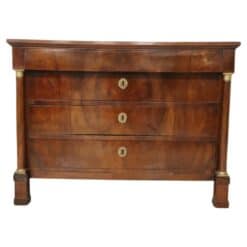
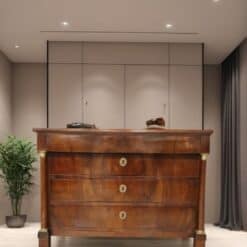
Antique Furniture and Decor
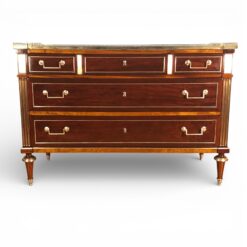
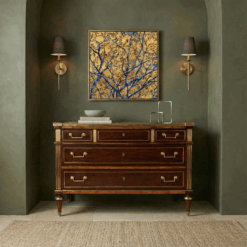
Antique Furniture and Decor
Antique Furniture and Decor
Antique Furniture and Decor