
Best Sellers

Antique Furniture and Decor
Antique Furniture and Decor
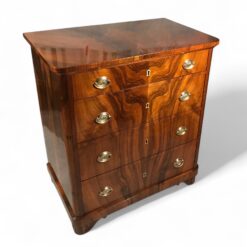
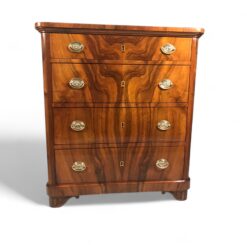
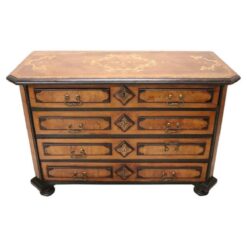
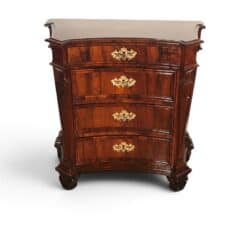
Small Biedermeier Style Chest of Drawers with Four Drawers in Maple
Antique Furniture and Decor
Antique Furniture and Decor
Antique Furniture and Decor
Antique Furniture and Decor
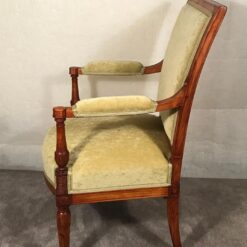
Accent chairs
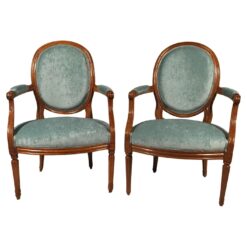
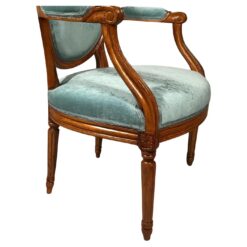
Accent chairs
Antique Furniture and Decor
Antique Furniture and Decor

Antique Furniture and Decor
Antique Furniture and Decor
Antique Furniture, Furniture
Why Antique Furniture Is More Sustainable Than Buying New
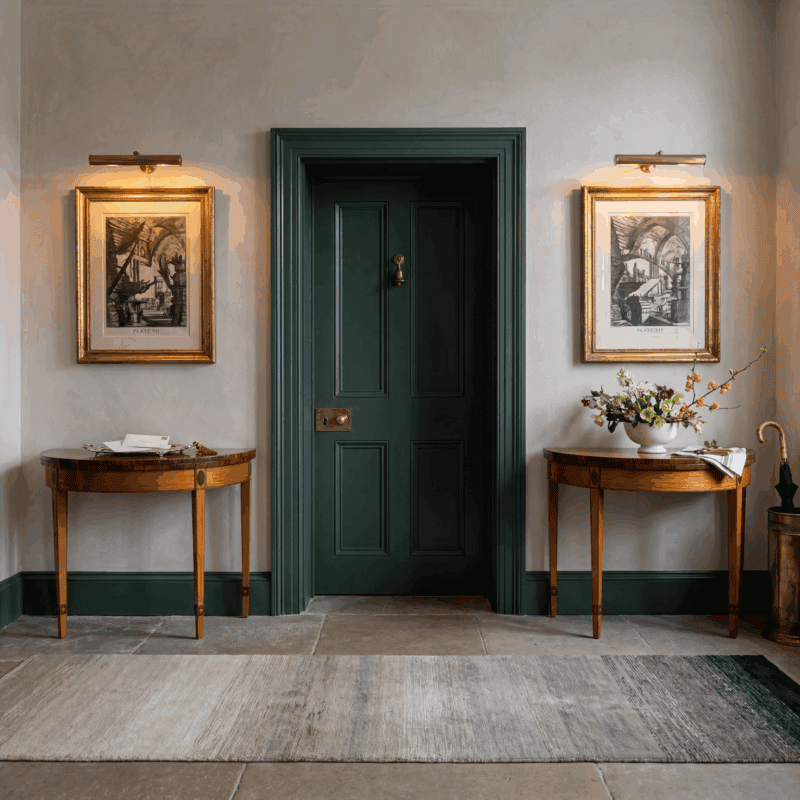
As sustainability becomes a priority for homeowners, interior designers, and collectors, more people are asking an important question: How can I furnish my home responsibly without compromising on quality or style?
One of the best answers is surprisingly simple—choose sustainable antique furniture.
While newly manufactured furniture often carries labels such as “eco-friendly” or “sustainably sourced,” the most sustainable piece of furniture is often one that already exists. Antique furniture has stood the test of time, often for more than a century, and continues to offer exceptional craftsmanship, durability, and timeless beauty.
At Styylish, we believe that investing in antique furniture is not only a design decision but also an environmentally responsible one. Here are the reasons why.
The Greenest Furniture Has Already Been Made
Every new piece of furniture requires raw materials, manufacturing, packaging, and transportation. Even companies committed to sustainable practices consume energy and natural resources to produce new products.
Antique furniture, by contrast, already exists.
Choosing a 19th-century Biedermeier chest of drawers, a Louis XVI console, or a French library cabinet does not require cutting down another tree or manufacturing another cabinet. Instead, you are extending the life of an object that has already served generations.
This approach follows one of the most important principles of sustainability: reuse before replacing.
Built to Last for Generations
Walk into almost any antique shop, and you will find furniture that is 100, 150, or even 250 years old.
That longevity says something remarkable about its quality.
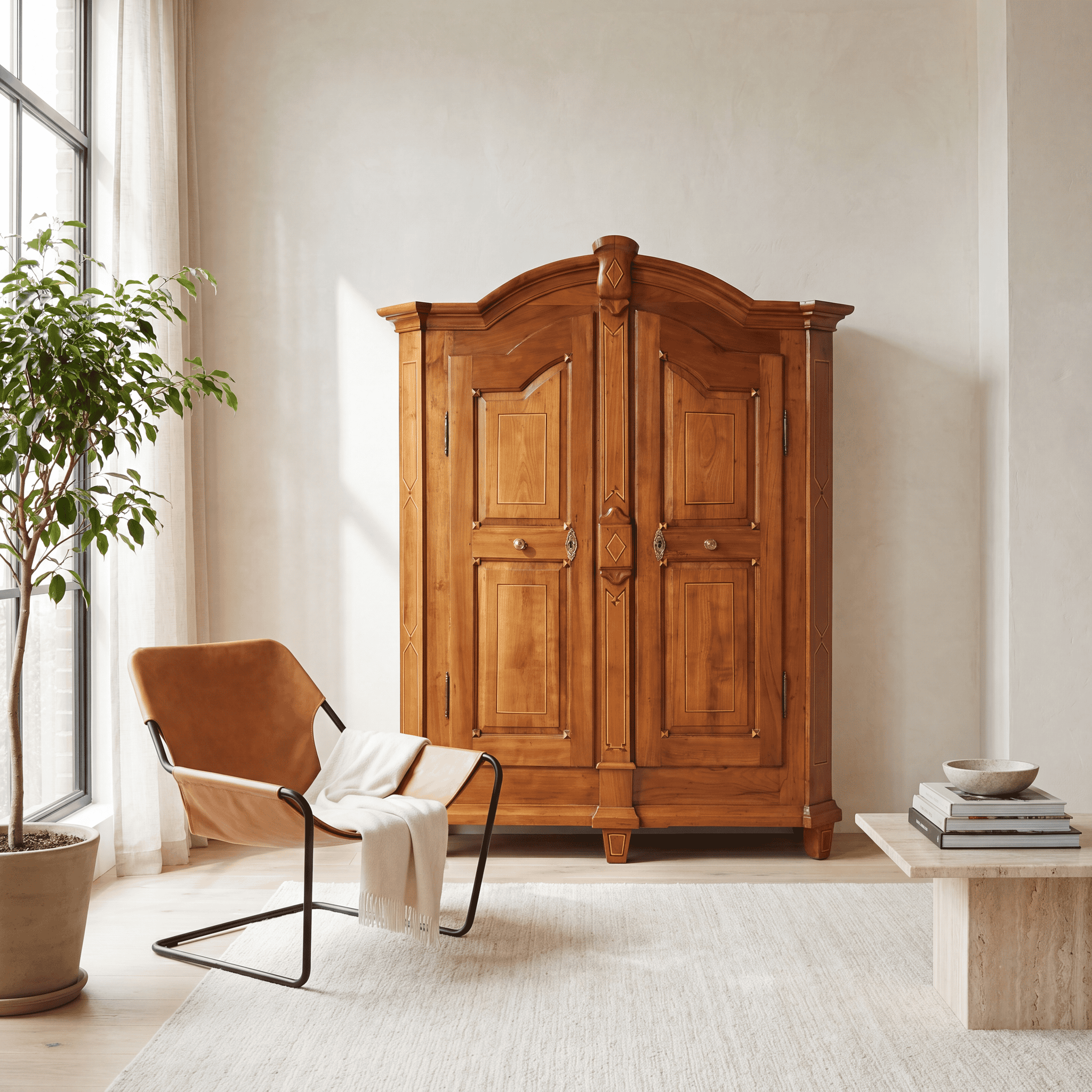
European cabinetmakers built furniture to last. They selected hardwoods such as walnut, mahogany, oak, cherry, and elm, then assembled them using traditional joinery techniques like dovetails and mortise-and-tenon joints.
Unlike much of today’s fast furniture, these pieces were never intended to last only a few years. They were designed to become family heirlooms.
When you purchase high-quality antique furniture, you are buying something that has already proven its durability.
Superior Materials Make a Difference
Many modern furniture pieces rely on particleboard, MDF, laminate, and synthetic veneers. While these materials make production faster and less expensive, they often have a shorter lifespan and can be difficult—or impossible—to repair.
Antique furniture tells a different story.
Cabinetmakers worked with carefully selected hardwoods and beautiful natural veneers. Flame mahogany, figured walnut, satinwood, and fruitwoods were chosen for their strength as well as their beauty. Bronze hardware, hand-carved details, and traditional finishes completed each piece.
These natural materials age gracefully and can often be restored rather than replaced.
 Refinishing Instead of Replacing
One of the greatest advantages of antique furniture is that it can be renewed.
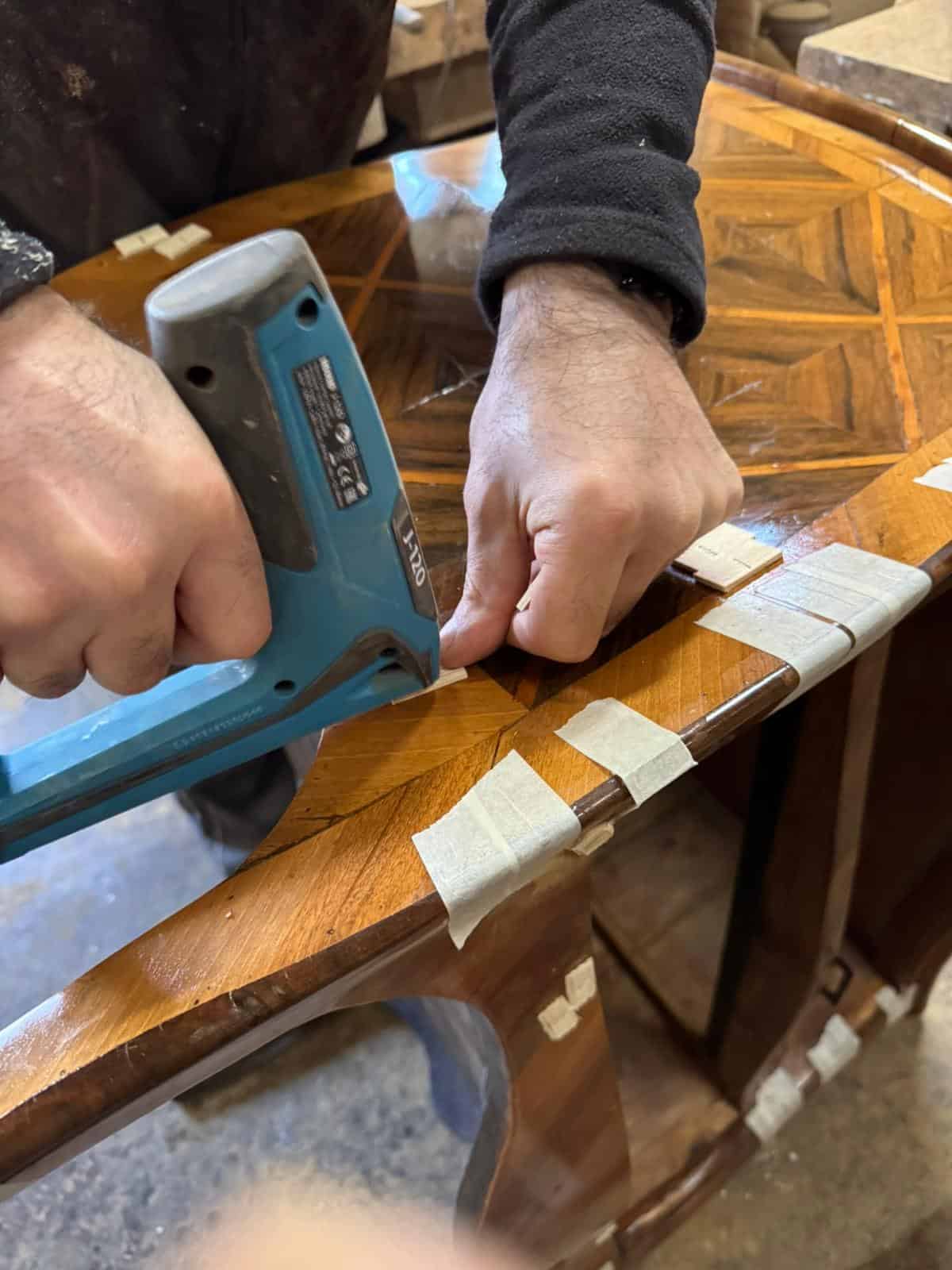
Over decades of use, surfaces naturally develop scratches, faded finishes, or small areas of wear. Fortunately, these signs of age rarely mean that a piece has reached the end of its life.
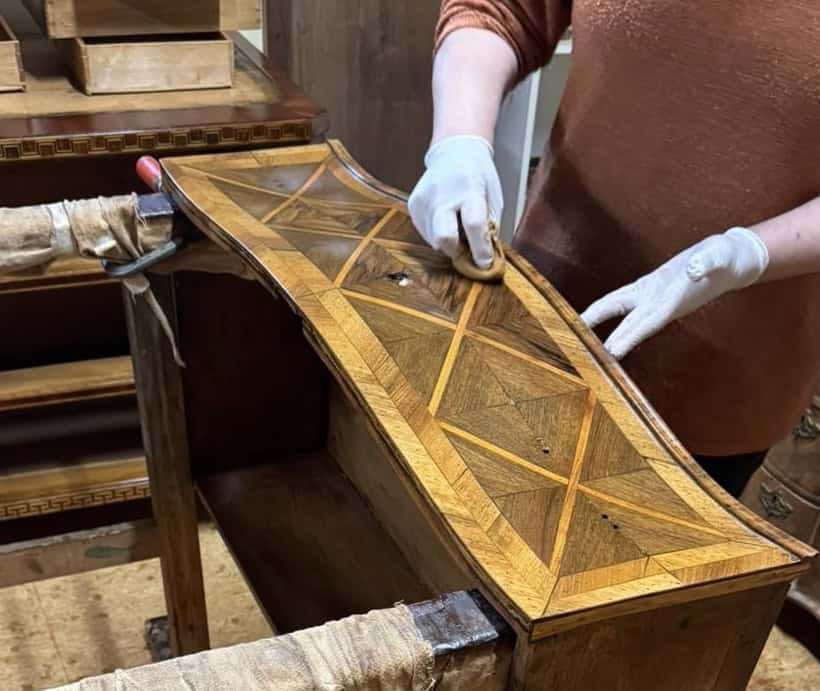
Professional restoration can stabilize the structure, repair loose veneer, restore damaged joints, and refinish the wood using traditional techniques. Rather than sending a cabinet or dining table to a landfill, skilled craftsmen give it a new chapter while respecting its original design and construction.
At Styylish, many of our European antiques are refinished using traditional hand-applied shellac. This historic finish enhances the natural beauty of the wood, highlights its grain, and remains repairable for future generations. Instead of covering the furniture with thick synthetic coatings, shellac preserves the elegance and authenticity that make antique furniture so special.
Choosing to restore rather than replace is one of the most sustainable decisions a furniture owner can make.
Less Waste, More History
Millions of tons of furniture end up in landfills every year. Much of it consists of inexpensive pieces that cannot be economically repaired because they were never built for long-term use.
Antique furniture represents the opposite philosophy.
Every restored cabinet, table, mirror, or chest of drawers prevents another high-quality piece from being discarded. At the same time, it reduces demand for newly manufactured furniture and the resources required to produce it.
Sustainability is not only about recycling. It is about valuing craftsmanship and extending the life of well-made objects.
Timeless Design Never Goes Out of Style
Trends come and go, but well-designed furniture remains relevant.
Whether it is the clean lines of Biedermeier furniture, the refined elegance of the Louis XVI period, or the understated sophistication of the Restoration style, antique furniture has influenced interior design for centuries.
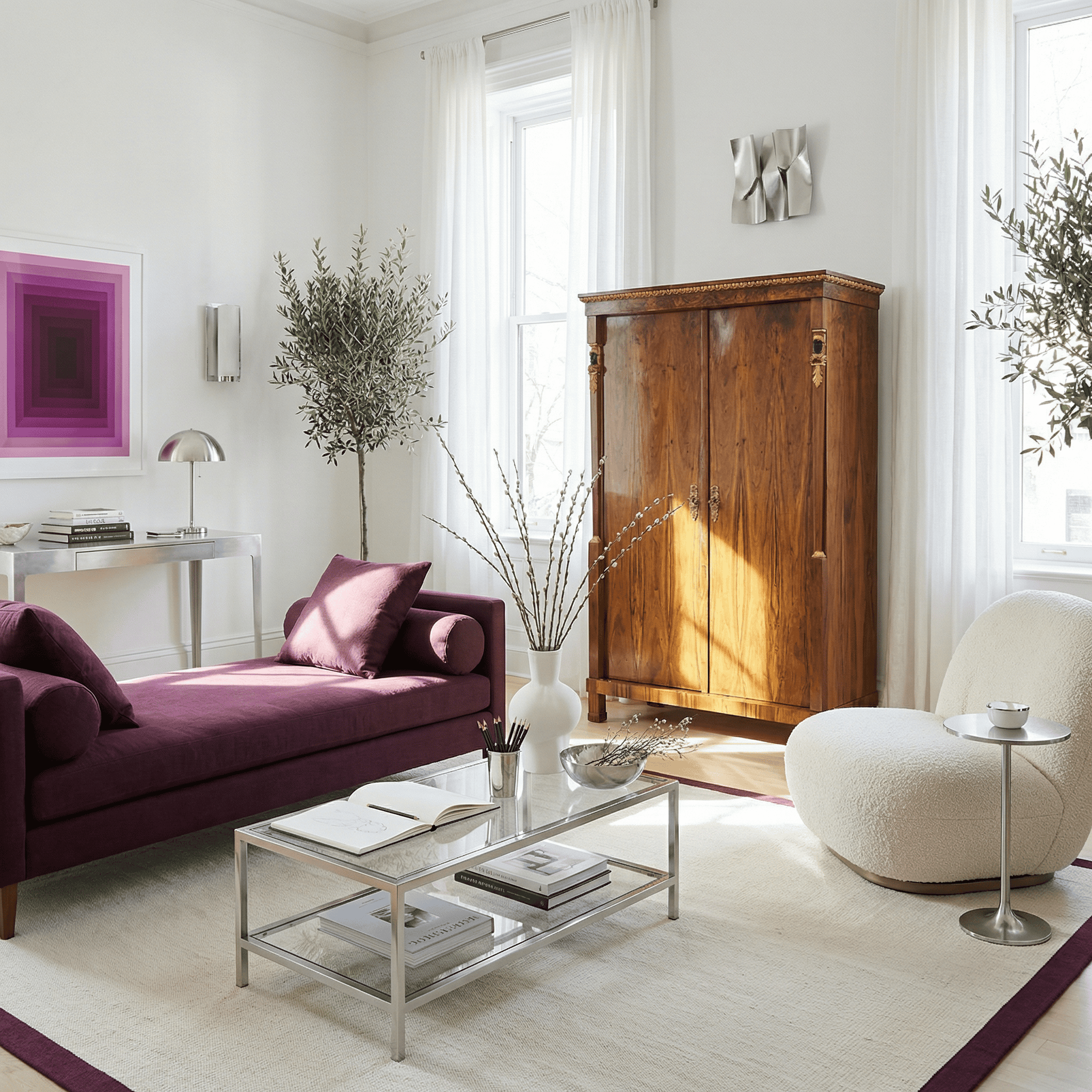
Because these designs are timeless, they rarely feel outdated. A beautifully crafted antique dining table can look just as at home alongside contemporary chairs as it does in a traditional setting.
Investing in timeless design means you are less likely to replace your furniture simply because fashions have changed.
A Smaller Carbon Footprint Than New Furniture
Producing new furniture involves harvesting raw materials, processing timber, manufacturing components, applying finishes, packaging products, and shipping them—often across multiple countries before they reach a customer’s home.
Antique furniture avoids nearly all of those manufacturing emissions because the piece has already been made.
While transporting an antique still has an environmental impact, extending the life of an existing object generally requires far fewer resources than manufacturing a completely new one. The environmental investment was made decades or even centuries ago.
Choosing an antique is, in many ways, an investment in reuse rather than new production.
Every Piece Is Unique
Mass-produced furniture is designed for consistency. Antique furniture celebrates individuality.
Natural wood grain, hand-cut joinery, subtle variations in carving, and signs of traditional craftsmanship ensure that no two pieces are exactly alike.
Owning an antique means owning something with a story—one that reflects the skills of the cabinetmaker, the materials available at the time, and the history of the generations who cared for it.
That uniqueness encourages long-term appreciation rather than short-term consumption.
Sustainability Through Preservation
Preserving antique furniture is also about preserving cultural heritage.
Every cabinet, desk, dining table, or armoire reflects the artistic traditions, woodworking techniques, and design ideals of its period. By restoring and caring for these pieces, we ensure that future generations can continue to experience this remarkable craftsmanship.
Professional restoration should never erase history. Instead, it should conserve original materials whenever possible and use traditional methods that respect the integrity of the furniture.
This philosophy lies at the heart of sustainable conservation.
Choosing Furniture That Lasts
Sustainability is ultimately about making thoughtful choices.
Instead of replacing furniture every few years, choosing one beautifully crafted antique means investing in quality, durability, and timeless design. It also supports the preservation of traditional craftsmanship while reducing waste and unnecessary consumption.
At Styylish, we carefully curate European antique furniture that has already stood the test of time. Many pieces are professionally restored using traditional shellac polishing to reveal the beauty of the wood while respecting their original character.
When you choose antique furniture, you are doing more than furnishing a room. You are giving exceptional craftsmanship a future, reducing environmental impact, and creating an interior filled with history, authenticity, and lasting beauty.
In a world increasingly focused on sustainability, that may be the most meaningful investment of all.

Silke Berlinghof
People also buy
Antique Furniture and Decor
Antique Furniture and Decor
Antique Furniture and Decor
Antique Furniture and Decor
Accent chairs
Antique Furniture and Decor
Antique Furniture and Decor
Antique Furniture and Decor
Antique Furniture and Decor
Antique Furniture and Decor
Antique Furniture and Decor
Antique Furniture and Decor