
Best Sellers

Antique Furniture and Decor
Chests of Drawers, Dressers, Commodes
Antique and Vintage Seating
Dining Chairs
Contemporary Furniture and Decor


Console Tables
Dining room tables
Armchairs
Rustic Decor
Furniture, Mid-century, Style
Mid-Century Credenzas and Sideboards: Function, Style, and Timeless Appeal
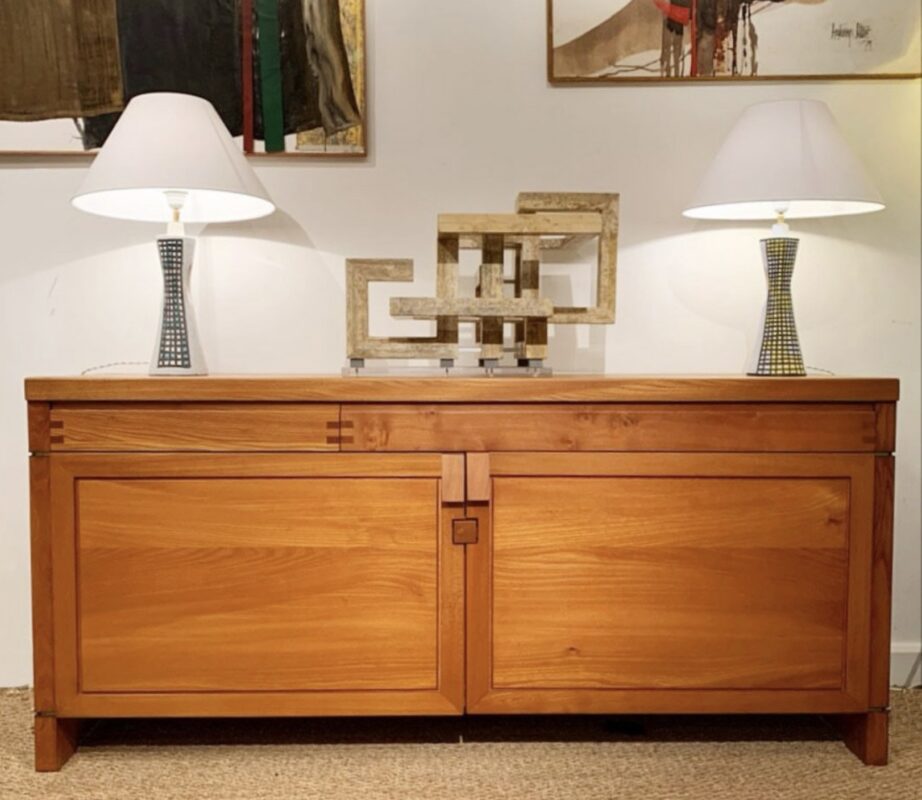
The mid-century era, spanning roughly from the 1940s to the 1970s, produced some of the most iconic furniture designs in modern history. Among the standout pieces from this period are credenzas and sideboards — elegant, versatile storage solutions that combine functionality with sculptural beauty. At Styylish, we celebrate these pieces not just as furniture, but as works of art that bring history and sophistication into modern interiors.
What Makes Mid-Century Credenzas Special?
Mid-century credenzas are instantly recognizable for their clean lines, minimalist forms, and thoughtful materials. Unlike the heavy, ornate cabinets of earlier eras, mid-century pieces embrace simplicity without sacrificing elegance.
Key Features:
-
Low-profile design: Many mid-century credenzas are relatively low to the ground, emphasizing horizontal lines and making rooms appear more spacious.
-
Natural wood veneers: Teak, walnut, rosewood, and palisander are commonly used. Their warm tones and striking grain patterns create a visual focal point.
-
Functional storage: Credenzas typically feature a mix of drawers, sliding doors, and open compartments, making them perfect for dining rooms, living rooms, or offices.
-
Subtle hardware: Mid-century designers favored sleek, unobtrusive handles and push-to-open mechanisms, keeping the overall look streamlined.
-
Tapered legs: Many credenzas sit on slender, angled legs that lift the piece off the floor, a hallmark of mid-century modern design.
These design choices were influenced by the Scandinavian modern movement and the post-war demand for furniture that was both affordable and stylish, yet durable enough for everyday use.
Regional Styles and Influences
While mid-century design is often associated with the United States, its influence was global. The variations in credenza and sideboard design reflect local tastes and materials.
While mid-century design is often associated with the United States, its influence was global. The variations in credenza and sideboard design reflect local tastes, materials, and craftsmanship.
Danish and Scandinavian Design
-
Known for simplicity, functionality, and craftsmanship.
-
Teak and oak are commonly used.
-
Sliding doors and modular compartments were popular innovations, allowing versatility in storage.
-
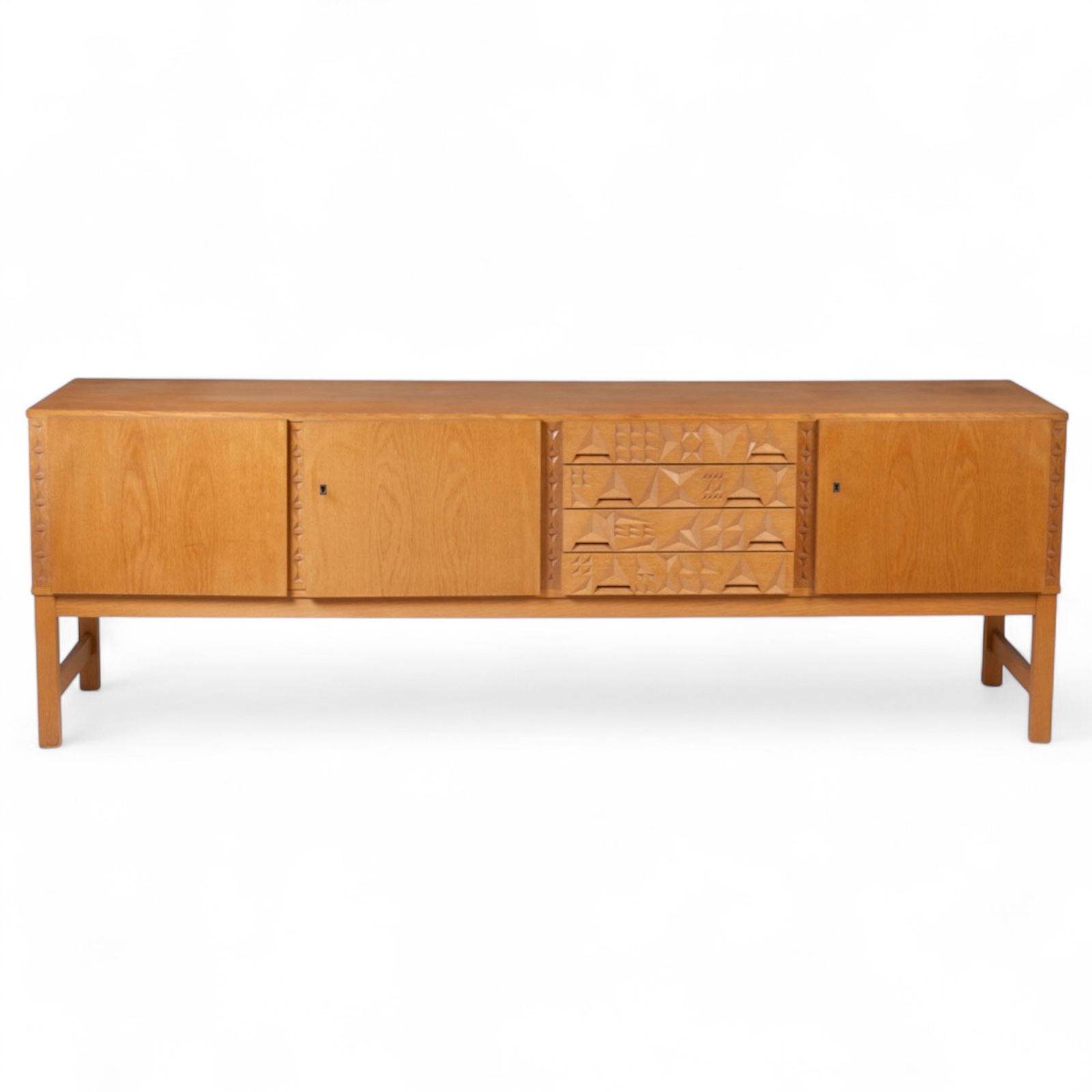
Swedish Mid-Century Oak Veneer Sideboard 1960-70- available at Styylish -
Designers like Arne Vodder and Børge Mogensen created pieces that are still highly sought after today.
Italian Mid-Century Design
-
Italian credenzas often feature luxurious wood veneers like rosewood or walnut, paired with polished metal accents.
-
Forms can be more sculptural, with subtle curves and inlays, emphasizing artistic expression alongside functionality.
-
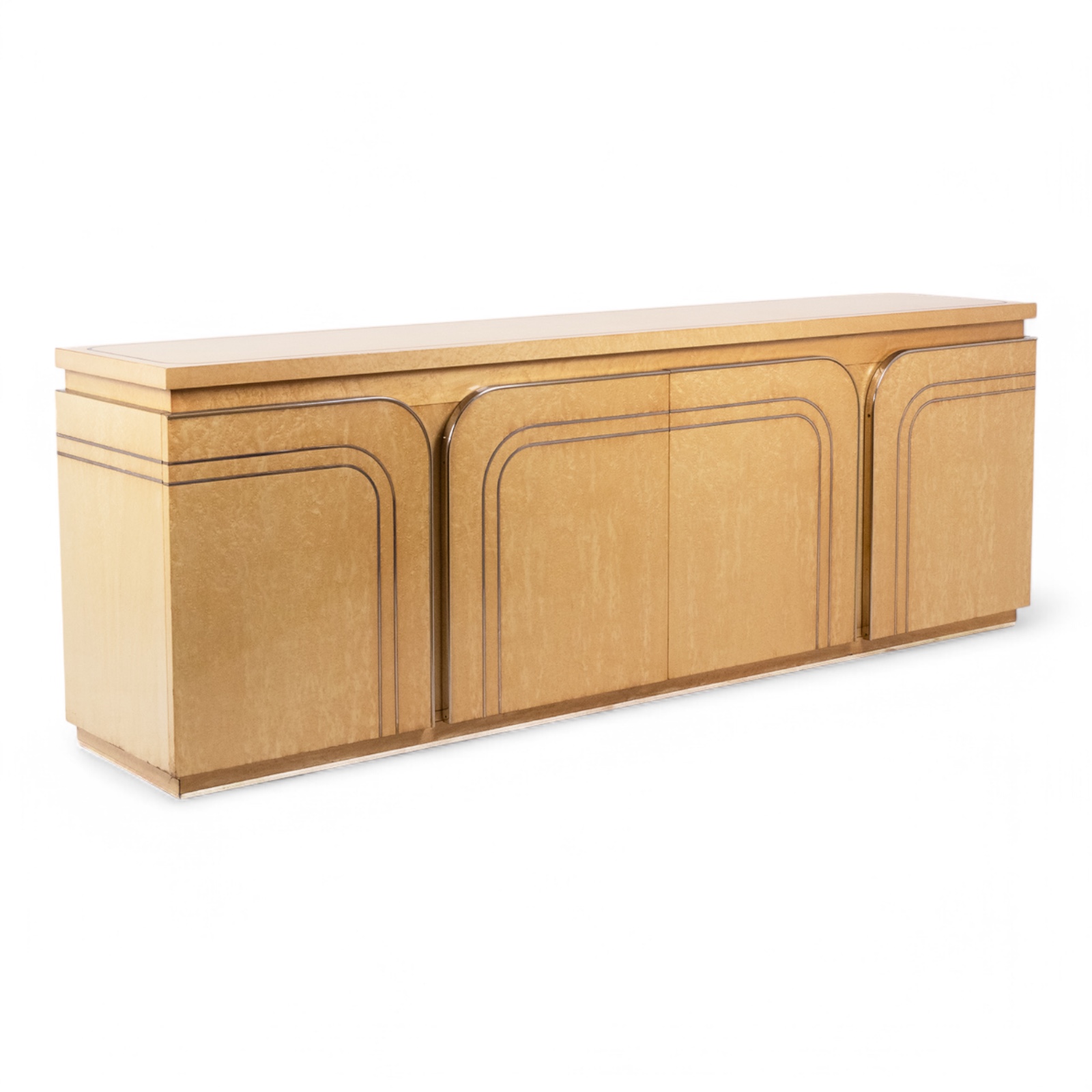
Italian Mid-Century Birch Wood Sideboard- Styylish Mid-century Italian designers embraced high-gloss finishes that reflected light and added glamour to interiors.
French Mid-Century Design
-
France produced a unique mid-century modern style with a sculptural, artisanal approach.
-
Pierre Chapo (1927–1987) is a standout figure: his credenzas and sideboards are celebrated for robust solid wood construction, geometric forms, and artisanal joinery.
-
Chapo’s designs balance utility with art, often using oak, elm, or walnut with hand-finished surfaces.
-
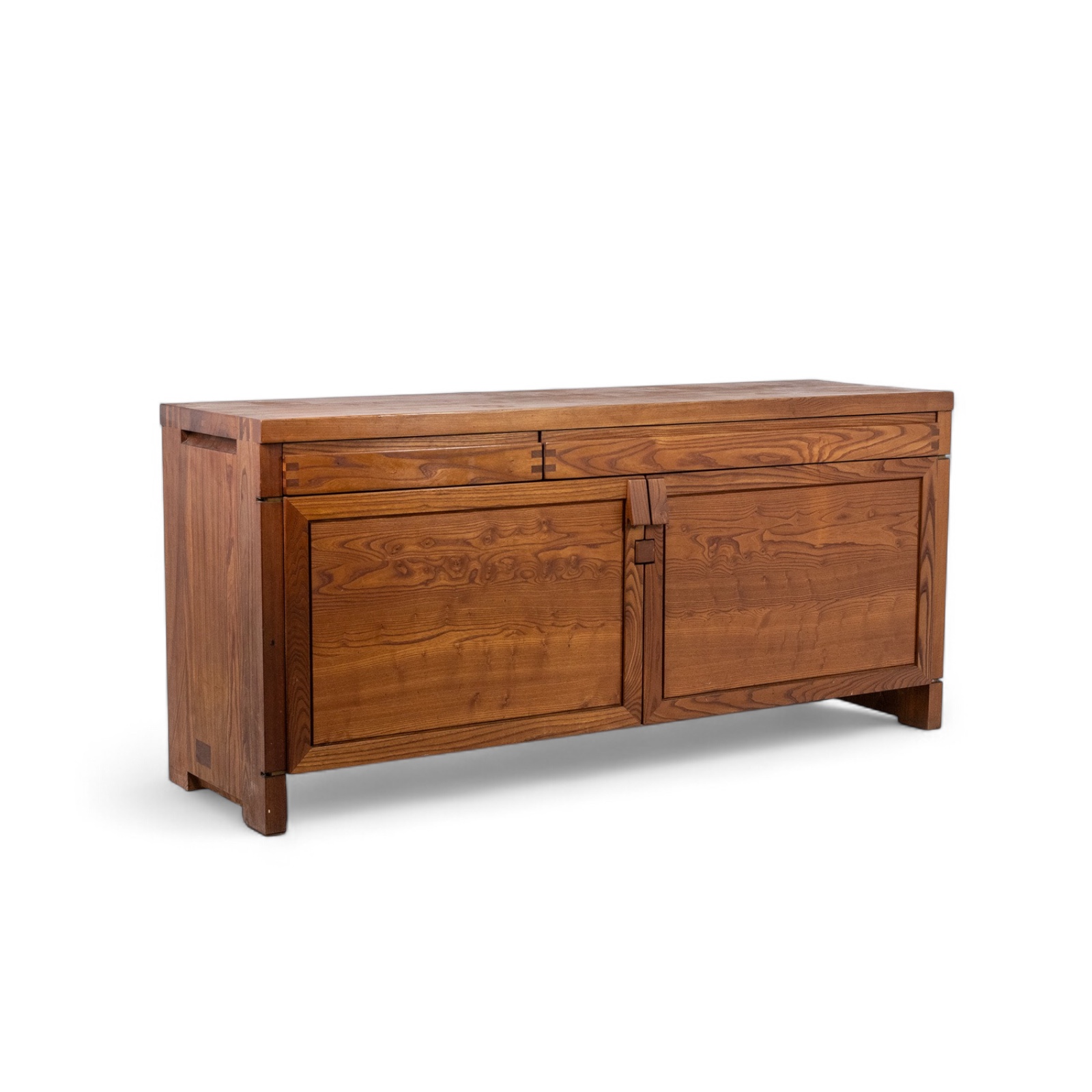
Pierre Chapo Long Sideboard R08- available at Styylish -
Pieces by Chapo are highly collectible today, reflecting the French mid-century emphasis on timeless craftsmanship and sculptural elegance.
American Mid-Century Design
-
Focused on affordable, mass-produced furniture without compromising aesthetics.
-
Pieces often combined wood with other materials like laminates, glass, or metal.
-
Iconic brands such as Drexel, Lane, and Herman Miller helped popularize mid-century credenzas and sideboards across the country.
Functionality in Modern Homes
One reason mid-century credenzas remain relevant is their versatility. Originally designed for dining rooms, these pieces have seamlessly transitioned into modern living spaces:
-
Dining Room: Traditionally used to store dinnerware, linens, and barware, mid-century sideboards keep essentials organized while serving as a stylish backdrop.
-
Living Room: Credenzas now often act as media consoles, supporting televisions and sound systems while concealing cables and devices.
-
Office: The combination of drawers and sliding doors makes them ideal for storing office supplies, books, and files.
-
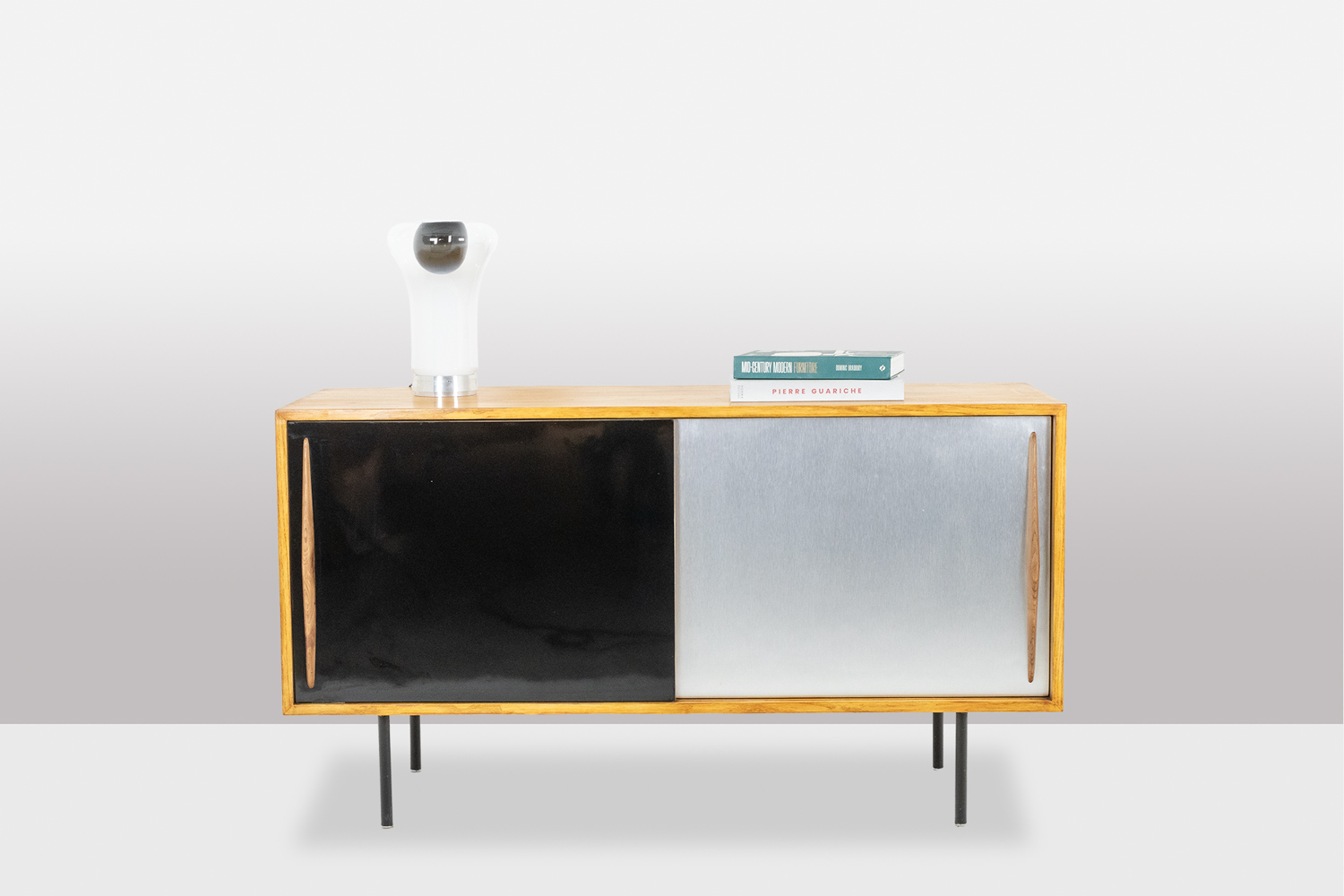
Low Ash Sideboard Sliding Doors 1960s- available at Styylish -
Entryway or Hallway: A slim mid-century sideboard can function as a statement piece for keys, mail, and decor accents.
The horizontal design also allows for displaying decorative objects, art, or lighting, making these pieces both functional and aesthetic.
Materials and Finishes
Understanding the materials used in mid-century credenzas can help collectors, buyers, and enthusiasts make informed choices.
-
Teak: Highly durable with a rich, honey-colored tone, teak was a favorite for Scandinavian designers.
-
Walnut: Known for its darker, luxurious finish, often paired with subtle inlays or brass hardware.
-
Rosewood: Visually striking, rosewood was popular in high-end Italian designs.
-
Palisander / Santos Rosewood: Offers dramatic grain patterns; often used for statement pieces.
-
Metal and Glass Accents: Frequently used for handles, legs, or door inlays, adding contrast and a touch of modernity.
Many mid-century credenzas were originally finished with natural oils or shellac, which enhances the wood’s natural beauty and patina over time. Today, professionally refinished pieces retain their charm while ensuring durability.
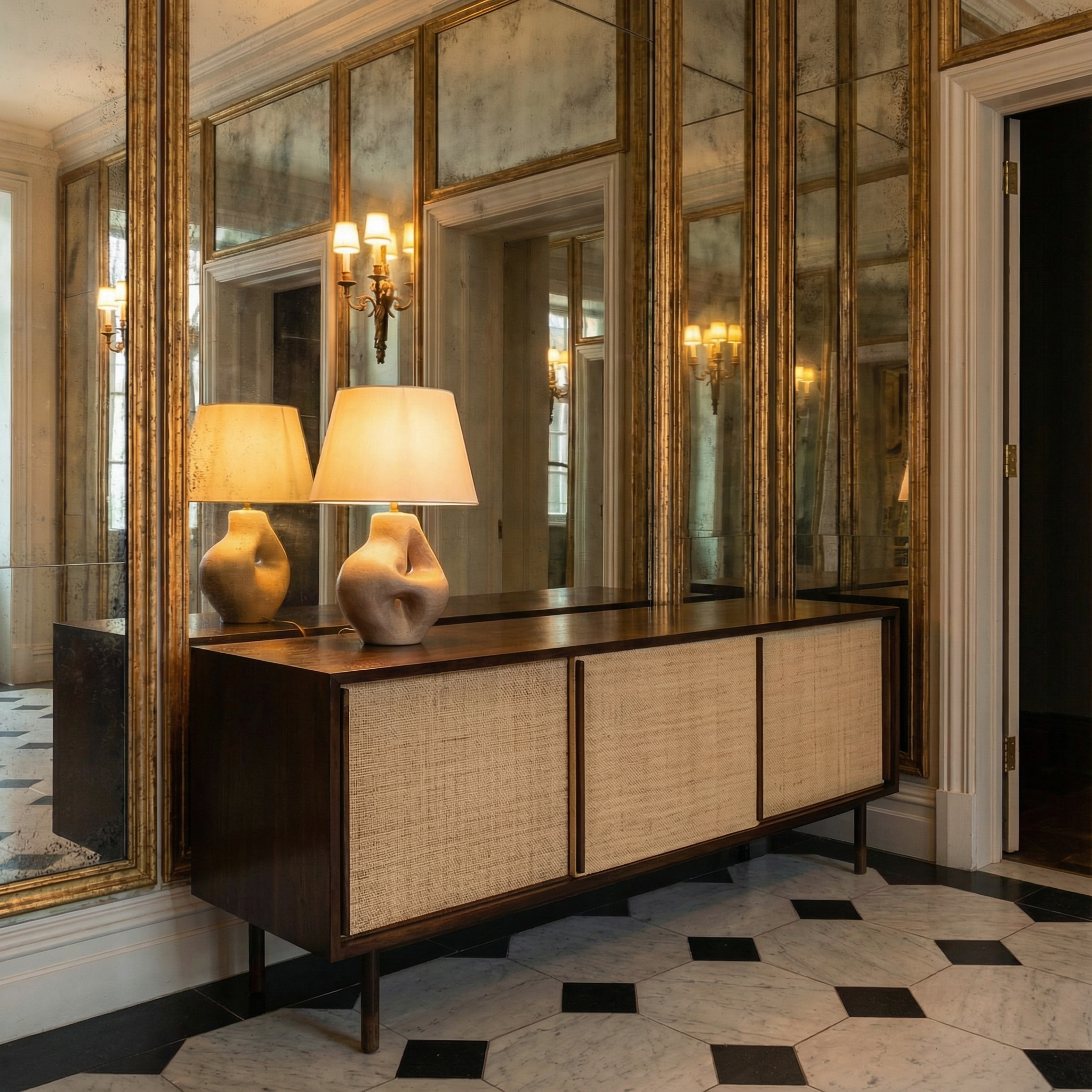
Collecting and Caring for Mid-Century Credenzas
Collecting mid-century credenzas requires attention to authenticity, condition, and provenance. Here are a few tips:
-
Verify authenticity: Look for labels, stamps, or distinctive design features associated with well-known designers or manufacturers.
-
Check for structural integrity: Sliding doors and drawers should move smoothly; legs should be stable.
-
Preserve finishes: Avoid harsh chemicals. Use natural wax or polish to maintain the wood’s luster.
-
Consider refinishing: Some collectors prefer a professionally refinished piece to restore original sheen while maintaining patina.
Styylish carefully selects each piece, ensuring quality, provenance, and condition, so you can invest confidently in a mid-century credenza or sideboard.
Styling Tips for Mid-Century Credenzas
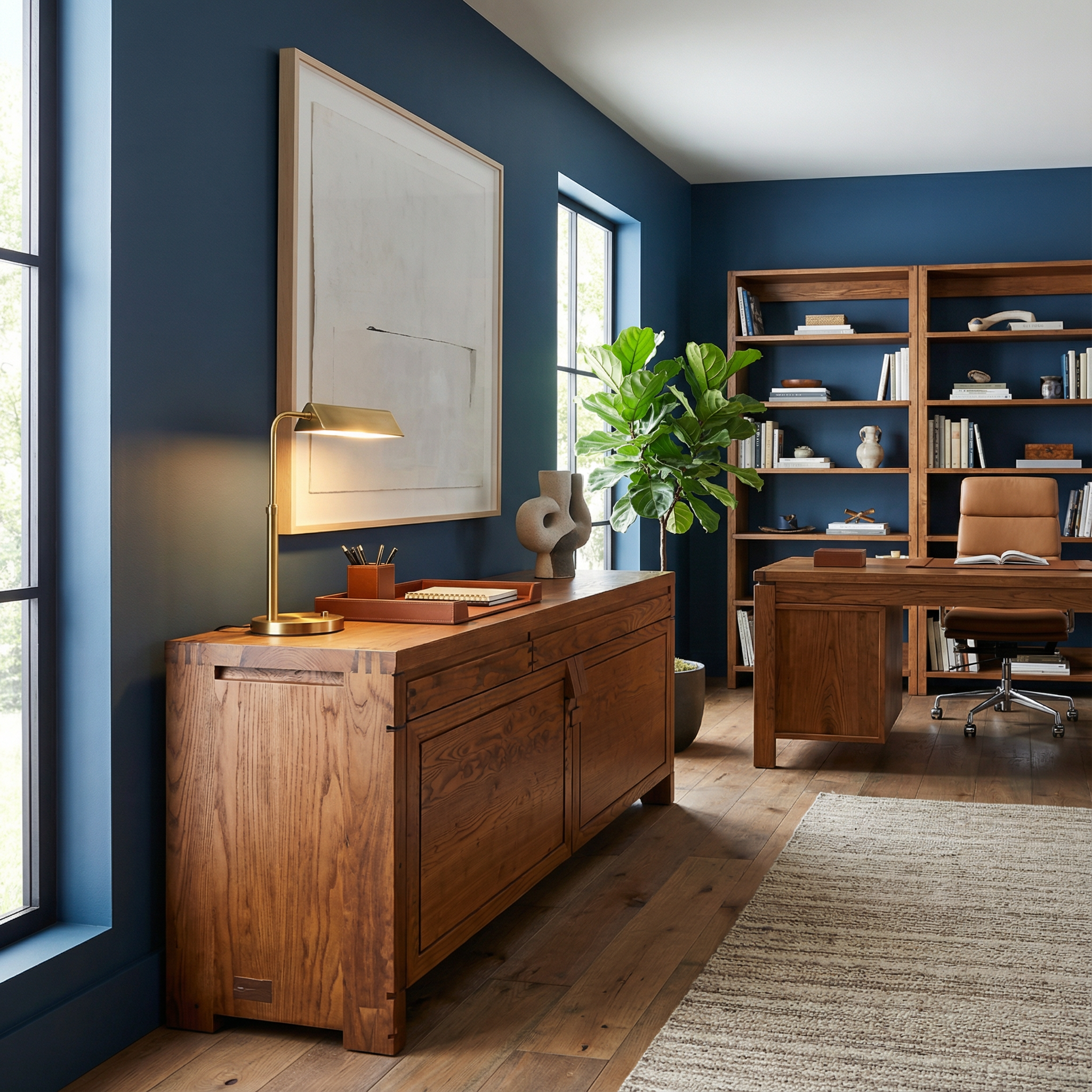
When styling a mid-century credenza or sideboard, consider the influence of French designers like Pierre Chapo:
-
Highlight craftsmanship: Allow the piece’s wood grain and joinery to stand out — avoid cluttering the surface.
-
Combine with modern or minimalist decor: French mid-century pieces often have strong geometric lines that pair beautifully with clean, contemporary interiors.
-
Use as a sculptural focal point: A Chapo credenza can serve as an art piece itself, with simple lighting to emphasize its form.
Why Mid-Century Credenzas Are Timeless
The enduring appeal of mid-century credenzas and sideboards lies in their blend of form and function. They are practical enough for modern living, yet beautiful enough to be admired as design objects. Their versatility, craftsmanship, and timeless aesthetic make them a smart investment for collectors, designers, and anyone looking to bring mid-century elegance into a contemporary space.
At Styylish, we curate authentic mid-century credenzas and sideboards, combining the best of European and American design. Each piece tells a story, reflecting the innovation and artistry of the mid-century modern movement. Whether you’re furnishing a dining room, living space, or office, these pieces offer style, function, and enduring appeal.
Explore our full Mid-Century Furniture Collection.

Silke Berlinghof
People also buy
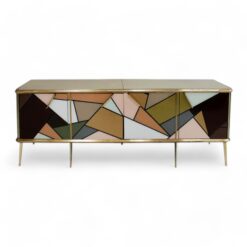
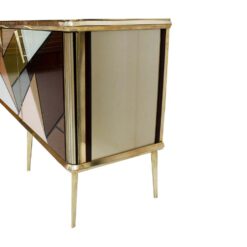
Secretary Desks
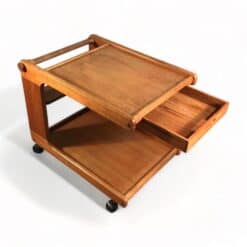
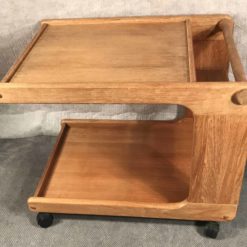
Bar Carts and Bar Furniture
Chandeliers


Antique and Vintage Seating
Accent chairs
Coffee Tables
Floor and Table Lamps`
Accent chairs