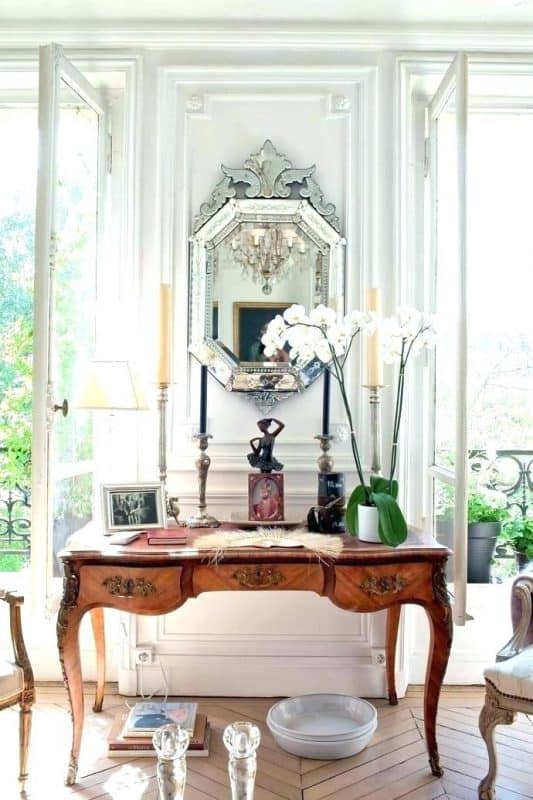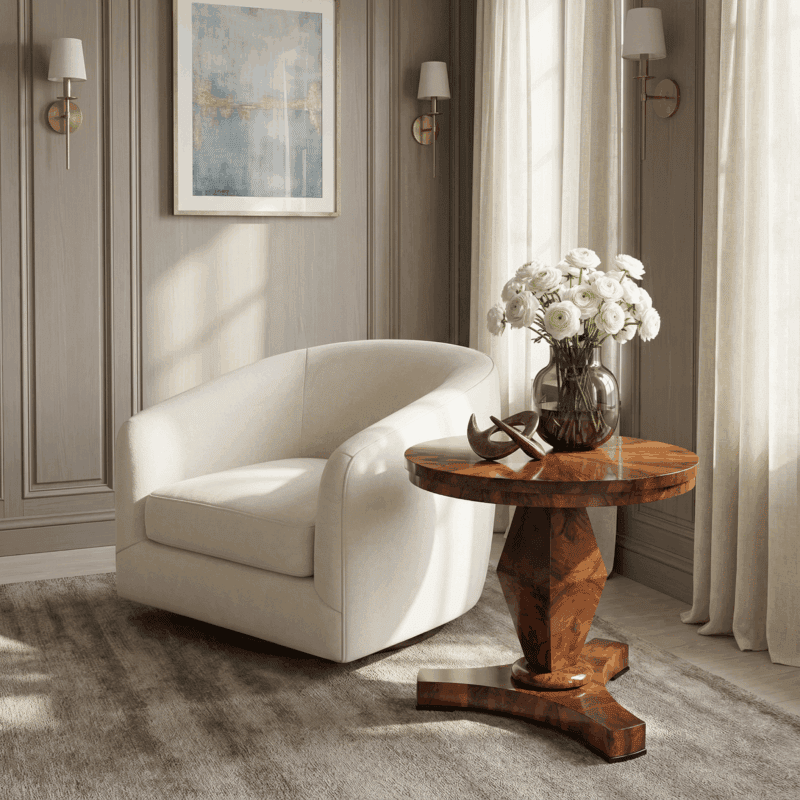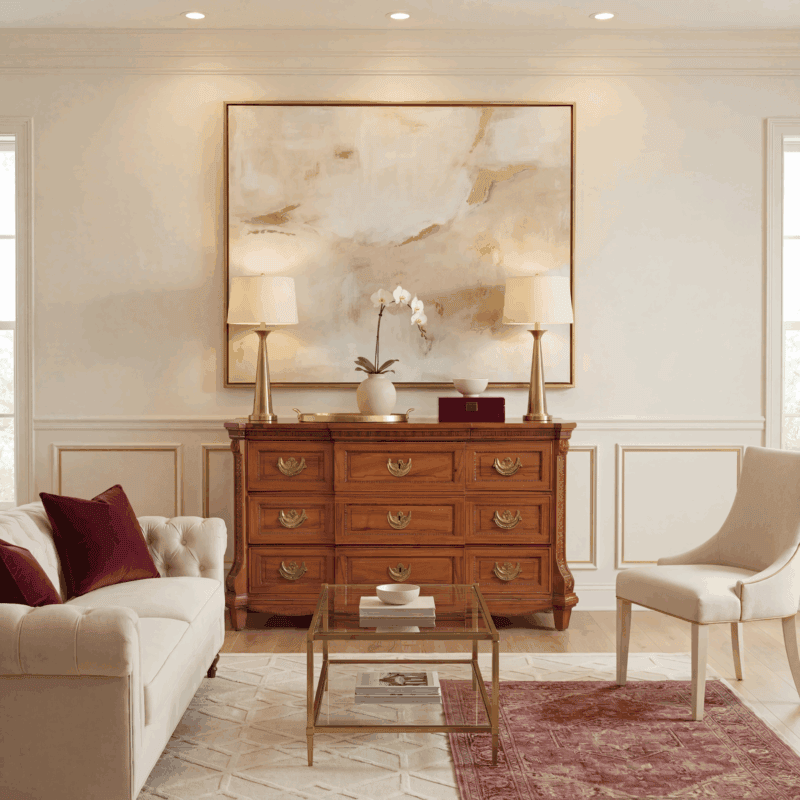
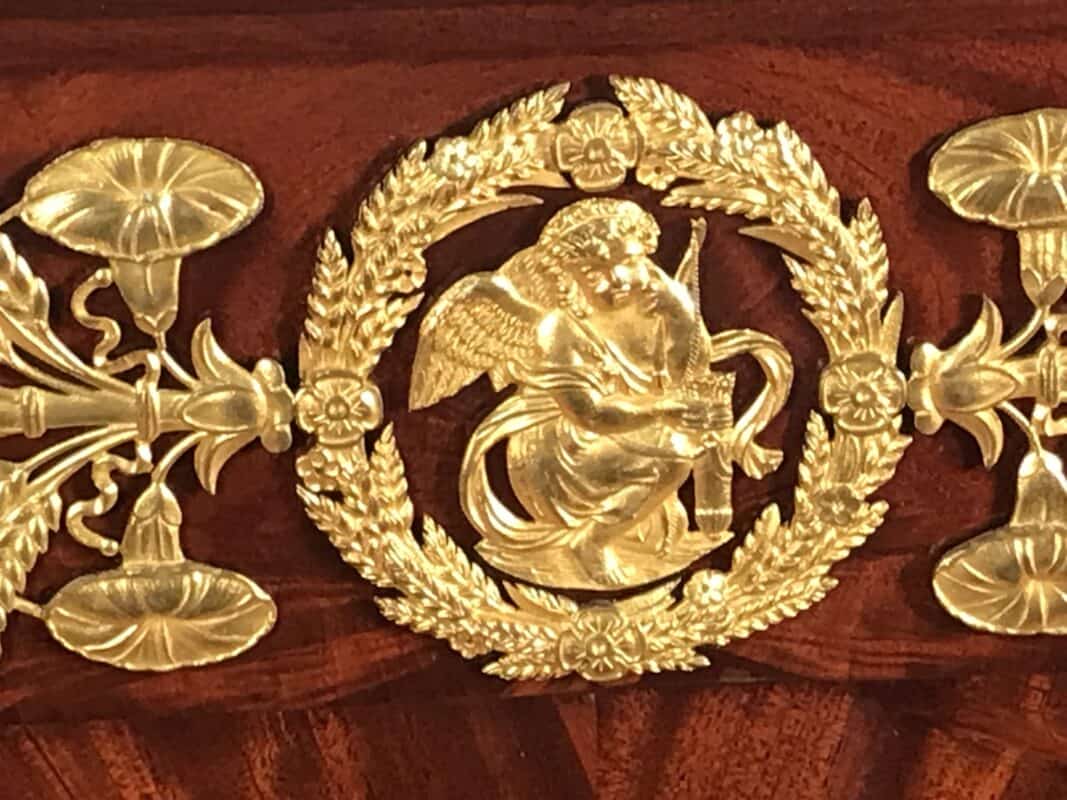
Napoleon III furniture is one of the most visually striking and expressive styles of the 19th century. Rich in detail, bold in contrast, and unapologetically decorative, it reflects a moment in French history when design embraced eclecticism, innovation, and luxury. Created during the Second Empire (1852–1870) under Napoleon III, this style reinterprets earlier French periods […]
Category Archives: Antique Furniture Guide
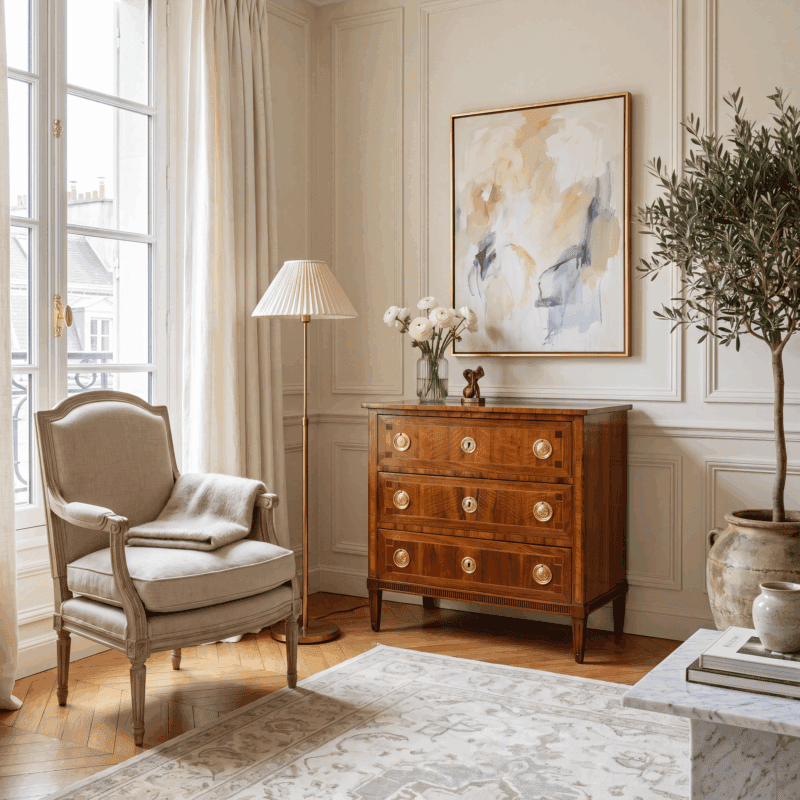
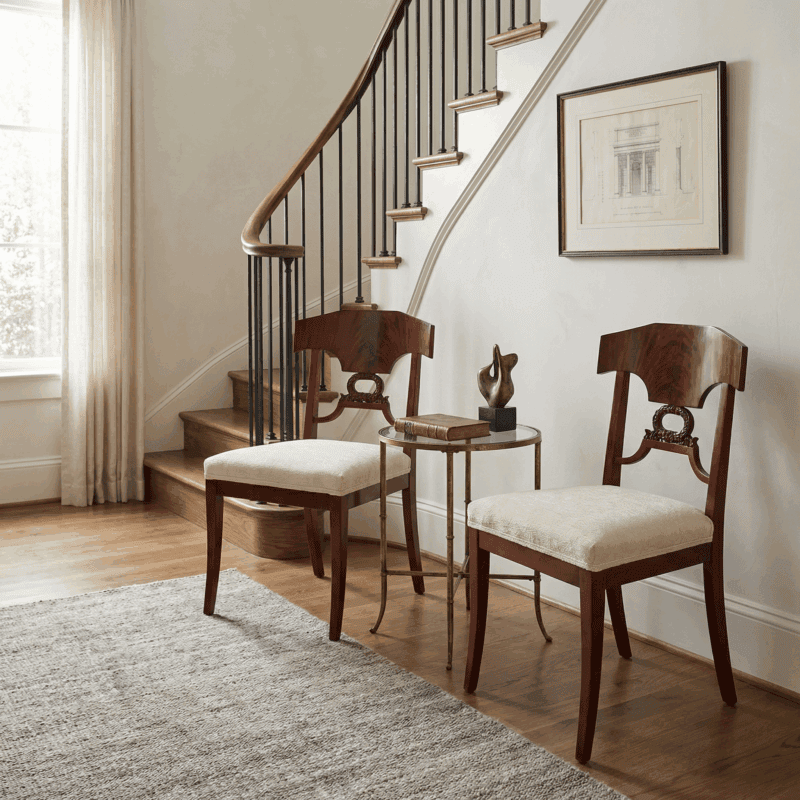
At first glance, Biedermeier furniture belongs firmly to the early 19th century. Emerging in Central Europe between 1815 and 1848, it is often positioned as a historical style—refined, restrained, and rooted in a specific cultural moment. And yet, when placed in a contemporary interior, Biedermeier pieces feel unexpectedly current. This is not accidental. The visual […]
Sourcing antique furniture is not simply about finding beautiful objects—it’s about shaping a space with intention. For designers and discerning private clients alike, antiques introduce depth, contrast, and a sense of permanence that contemporary pieces rarely achieve. But knowing how to source antique furniture—efficiently, intelligently, and within the context of a project—is what transforms a […]
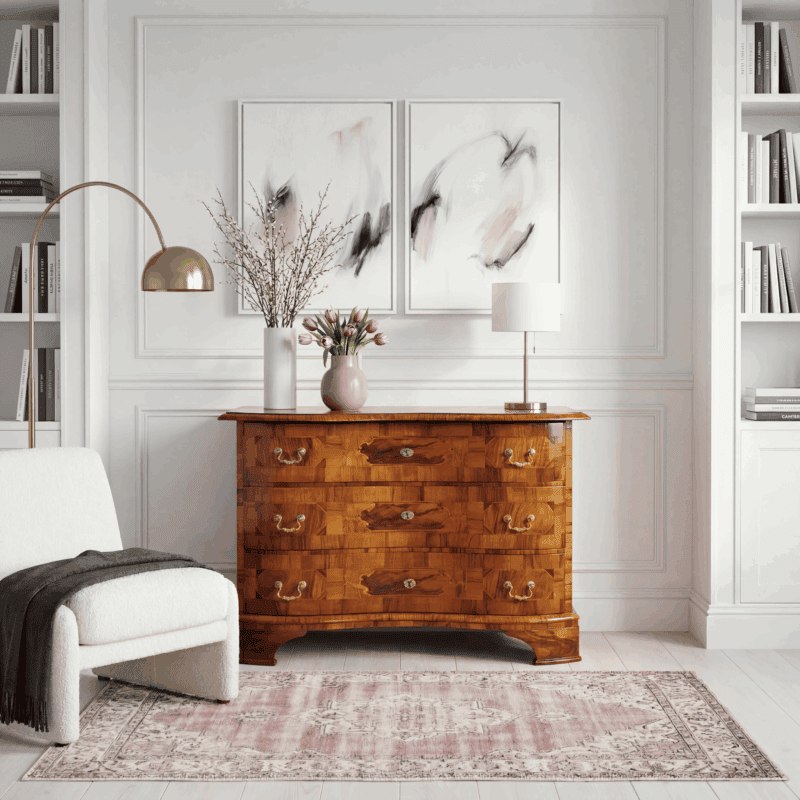
Among the many furniture traditions of 18th-century Europe, German Baroque chest of drawers remain some of the most visually striking yet least widely discussed. While French commodes and Italian Baroque cabinets often dominate the conversation, German workshops developed a distinctive approach that combined strong architectural structure with the natural beauty of walnut and other local […]
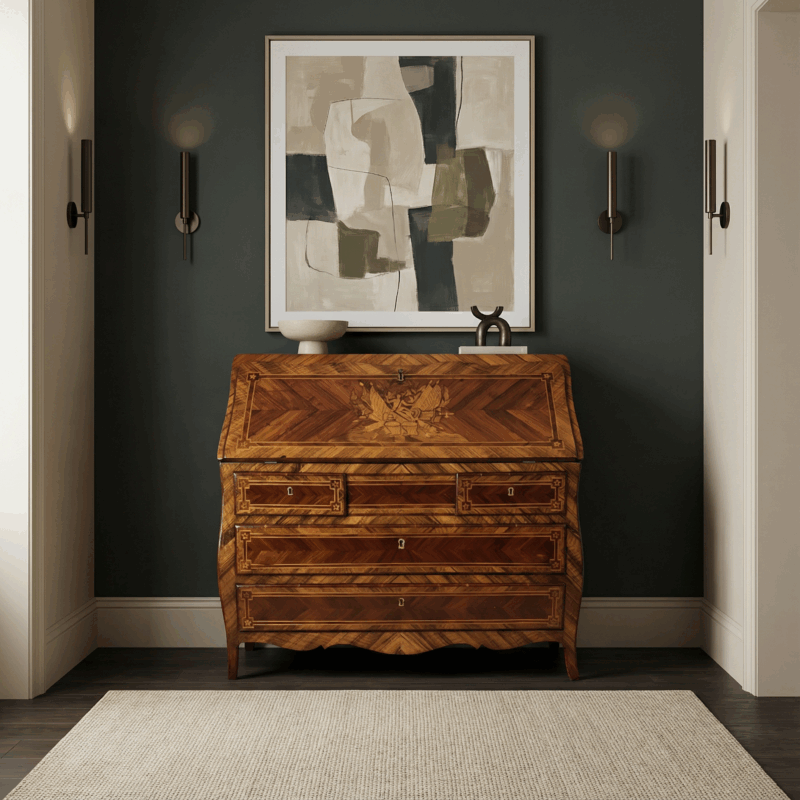
Few pieces of furniture embody the intellectual and social shifts of European domestic life as clearly as 18th and 19th century secretary desks. More than a writing surface, it was a private chamber in miniature — a cabinet of correspondence, accounts, secrets, and ambition. Between the 18th and 19th centuries, the secretary desk evolved dramatically […]
Biedermeier furniture is often described as restrained, domestic, elegant, and quietly bourgeois. Yet one decorative detail surprises many collectors and design historians: dolphin motifs on Biedermeier furniture. These maritime, mythological creatures appear on drawer pulls, escutcheons, carved feet, and bronze mounts—adding a layer of symbolism to otherwise calm and polished surfaces. At first glance, dolphins […]
If you are an interior designer looking to incorporate antique furniture into contemporary interiors, understanding the history, design, and versatility of certain key pieces is essential. While the world of antique furniture spans centuries, a few key forms consistently deliver timeless style, functionality, and versatility. These are the pieces that designers return to again and […]
French furniture of the late eighteenth century reflects one of the most dramatic transformations in European history, and few comparisons reveal this better than Louis XVI vs Directoire furniture. From the refined salons of Versailles to the austere ideals of the French Republic, furniture design evolved rapidly as political power shifted and cultural values changed. Among […]
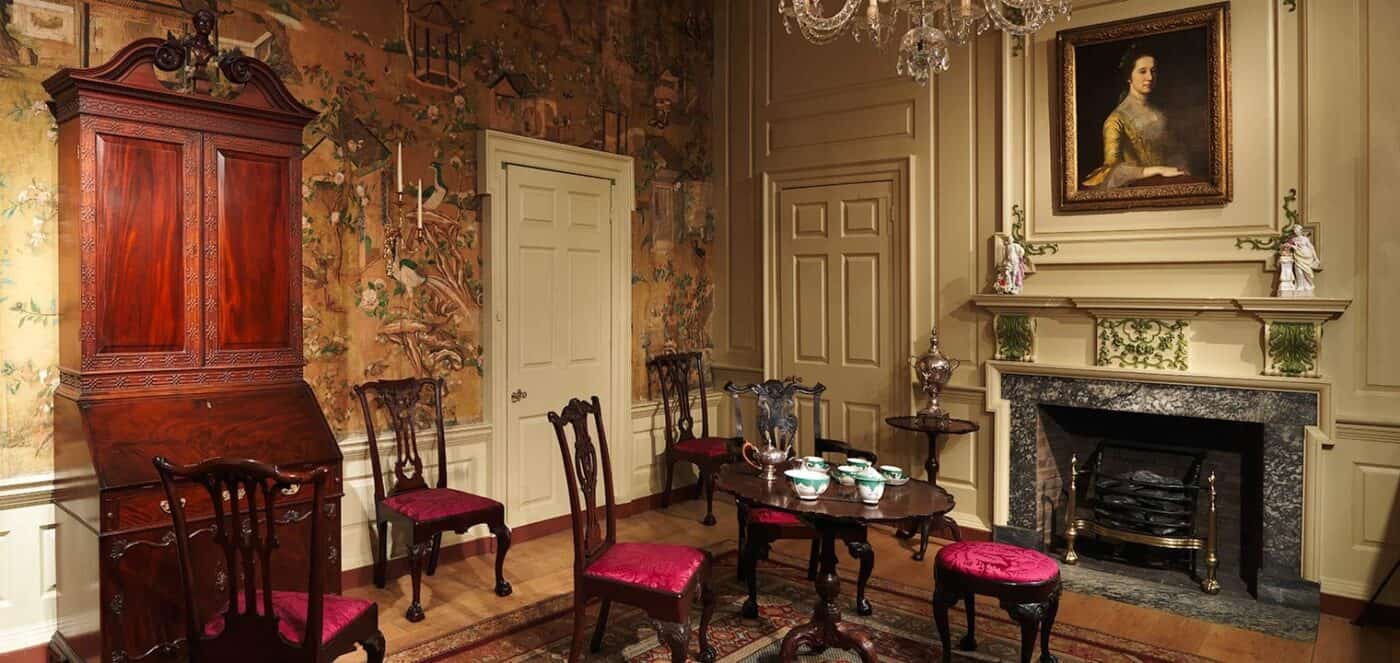
The late 18th century was a period of remarkable transformation in European furniture design. Across the continent and in Britain, styles evolved rapidly, reflecting social changes, archaeological discoveries, and shifting tastes from Rococo extravagance to Neoclassical restraint. One piece of furniture perfectly illustrates these trends: the chest of drawers. Practical yet highly decorative, it became […]
At Styylish, we believe that every antique tells a story—one that often comes alive through the care, craftsmanship, and restoration it receives. Among the many finishing techniques used in furniture restoration, shellac hand-polishing stands out for its timeless elegance, depth, and historical authenticity. In this post, we explore what makes the shellac hand-polish finish so […]
- 1
- 2