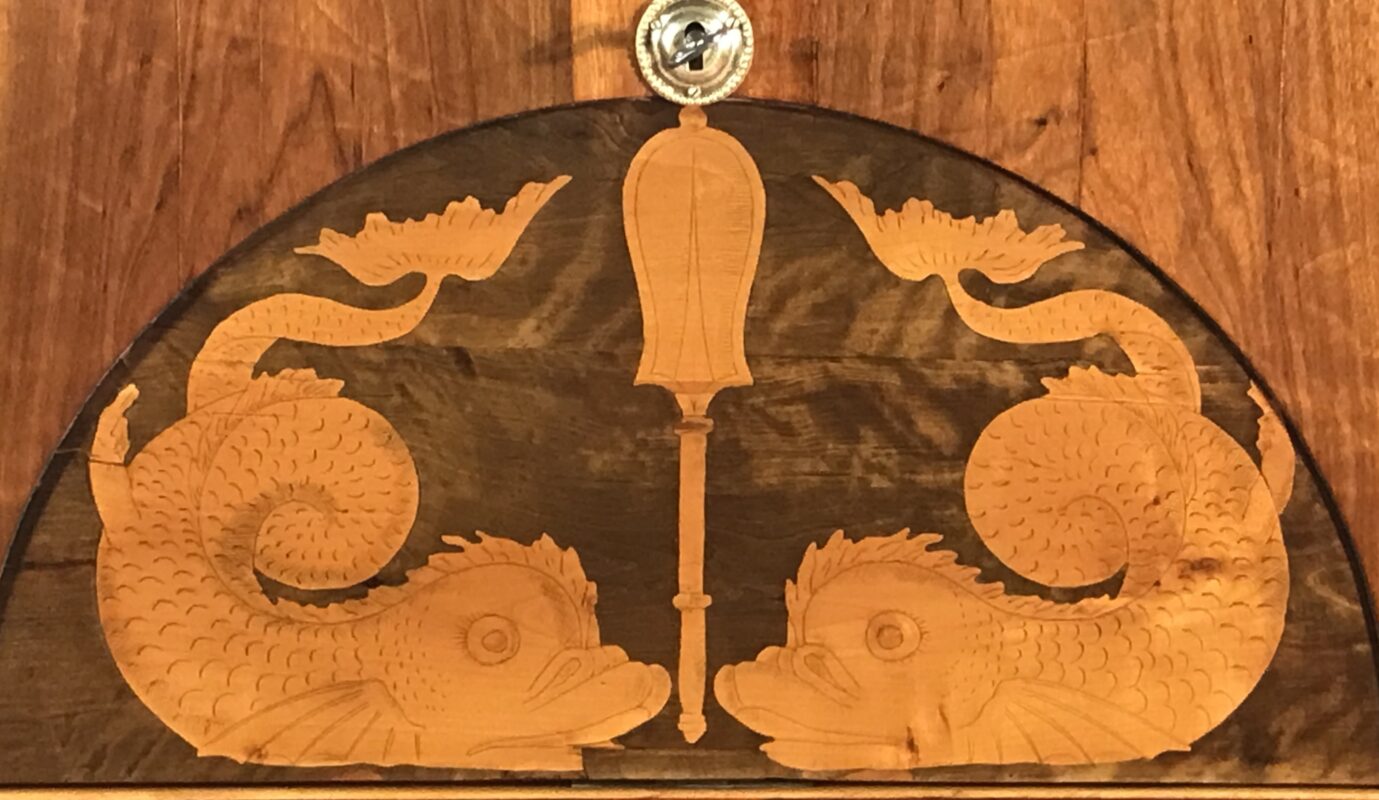
Biedermeier furniture is often described as restrained, domestic, elegant, and quietly bourgeois. Yet one decorative detail surprises many collectors and design historians: dolphin motifs on Biedermeier furniture. These maritime, mythological creatures appear on drawer pulls, escutcheons, carved feet, and bronze mounts—adding a layer of symbolism to otherwise calm and polished surfaces. At first glance, dolphins […]
Category Archives: Biedermeier
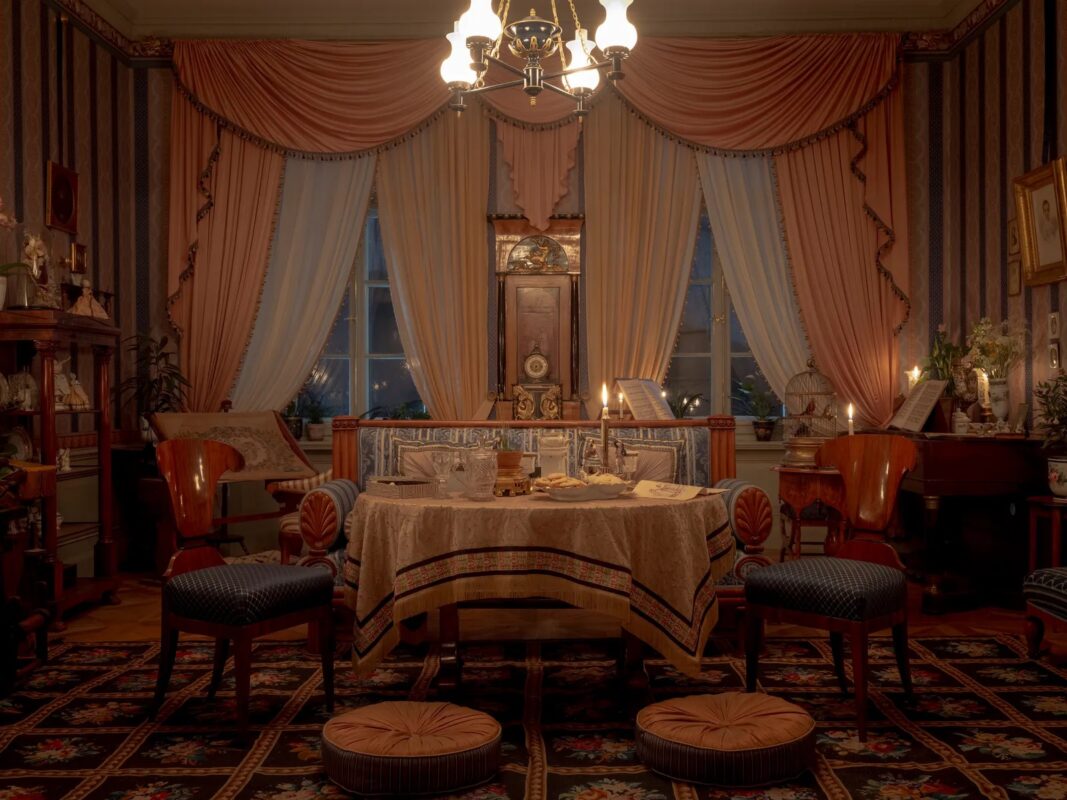
Antique furniture in film and television is more than decoration. It’s a silent narrator, revealing character, mood, and historical context. Among the most compelling styles on screen are Biedermeier and Empire furniture — celebrated for their elegant proportions, polished veneers, and timeless balance. From the candlelit salons of The Empress to the eerie domestic interiors […]
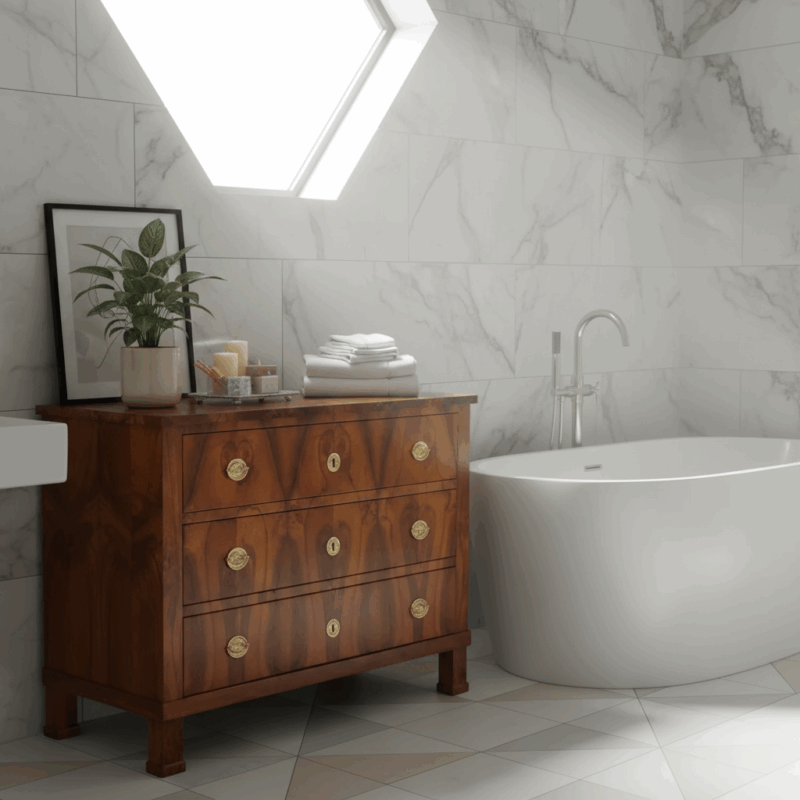
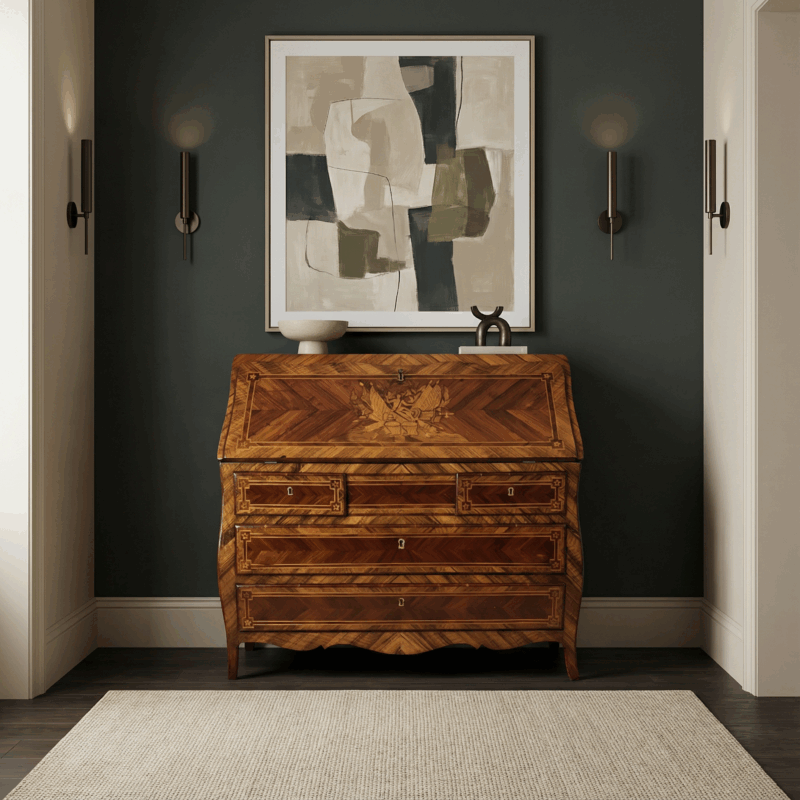
The Biedermeier chest of drawers embodies the essence of early 19th-century design: elegant, functional, and thoughtfully proportioned. Emerging during a period of cultural refinement and social change, these chests tell a story not only of craftsmanship but also of shifting values — from aristocratic grandeur to the understated elegance of a growing middle class. Today, […]
In this edition of Styylish Conversations, we speak with interior designer Ann Zacarian, founder of Ann Mila Design. With a background in business consulting and a lifelong passion for art and style, Ann brings a unique balance of intuition, sophistication, and joy to every project. Her approach celebrates individuality—designing homes that reflect the people who […]
Antique tables go beyond mere functionality—they embody craftsmanship, design, and history. From the intricate marquetry of Baroque commodes to the refined simplicity of Biedermeier side tables, each piece tells a story about its era, the artisans who made it, and the interiors it once graced. Today, antique tables captivate collectors, interior designers, and homeowners alike, […]
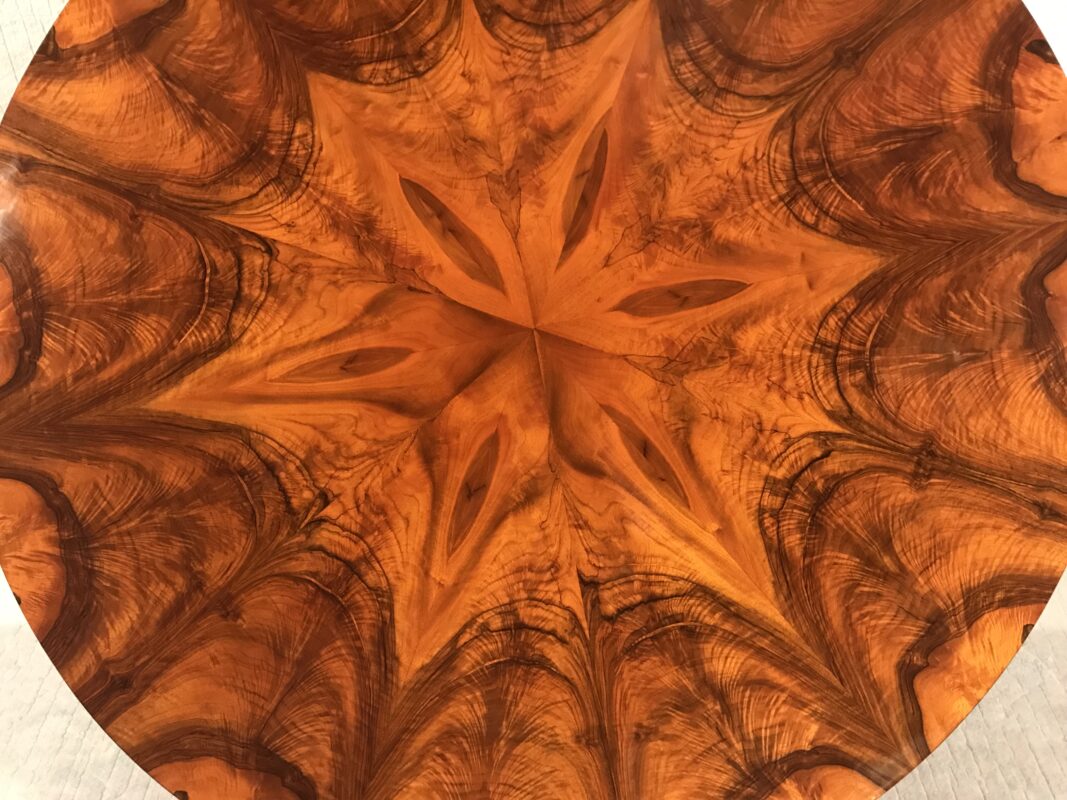
When you look closely at an authentic Biedermeier wood veneer piece, something extraordinary happens: the light dances across the surface, revealing a subtle shimmer, a flame-like pattern, or even a mirror-like symmetry. That magic lies not just in the design—but in the wood veneer. The Biedermeier period (1815–1848) was a golden age of refined simplicity […]
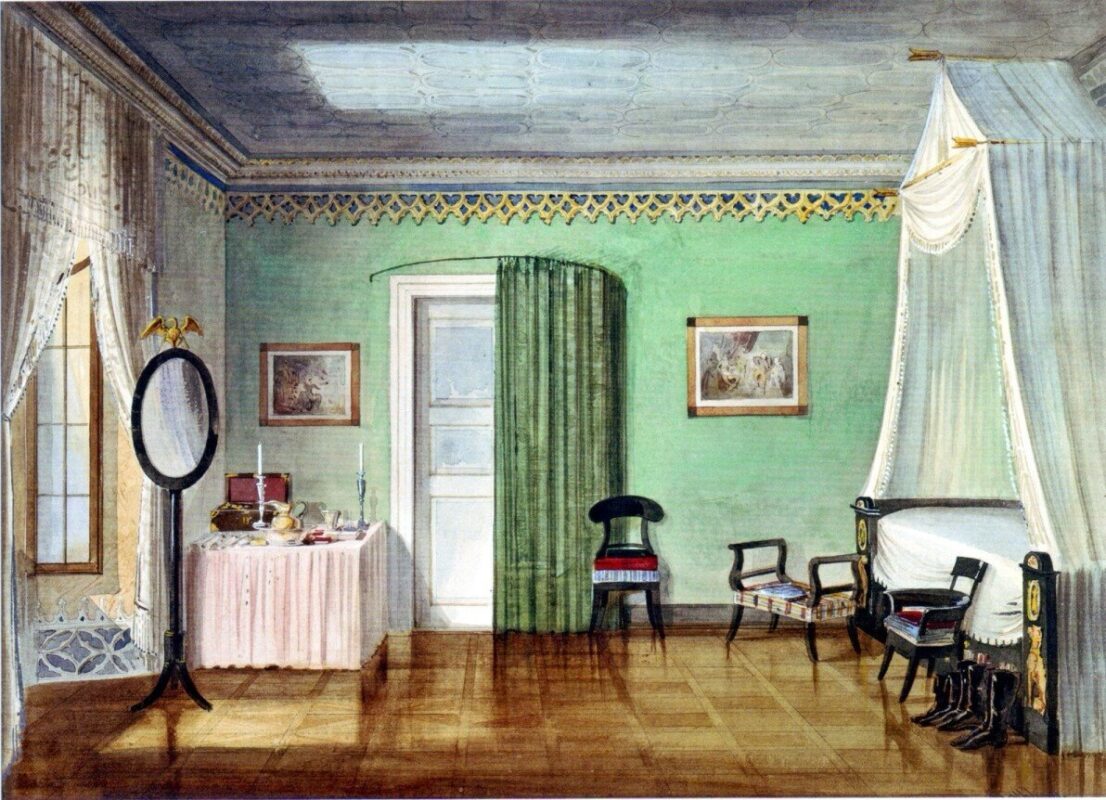
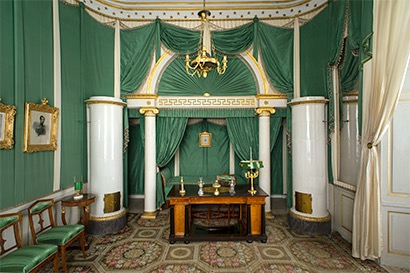
Antique furniture design is more than craftsmanship and patina—it’s a reflection of the architecture, politics, and aesthetics of its time. Just as cities were transformed by sweeping arches, soaring domes, or clean classical lines, so too were the interiors and the furniture within them. Understanding how architecture influenced antique furniture design offers a richer appreciation […]
The Elegant Simplicity of Biedermeier Stools: History, Design, and Function The Biedermeier period (1815–1848) marked a remarkable shift in European design aesthetics. Emerging in post-Napoleonic Europe—especially in German-speaking regions such as Austria and southern Germany—Biedermeier design reflected the tastes and aspirations of the growing middle class. While this period is renowned for its understated elegance […]
Swedish Biedermeier, commonly known as the Karl Johan Style, is a distinctive furniture design movement that emerged in Sweden during the early 19th century. It flourished during the reign of King Carl XIV Johan (1818–1844) and represents Sweden’s unique interpretation of the broader Biedermeier style, which originated in Austria and Germany. Characterized by its refined […]
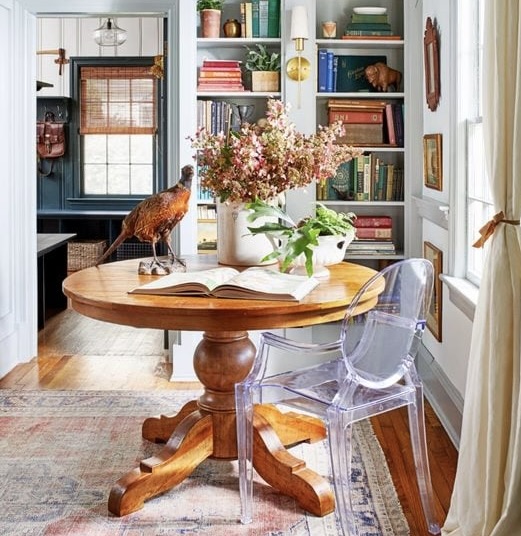
Combining Biedermeier with Modern Décor: A Fusion of History and Contemporary Design Combining Biedermeier with Modern Décor can be both exciting and challenging. Among the many antique styles, Biedermeier furniture stands out for its timeless elegance, clean lines, and simplicity. Originating in Central Europe in the early 19th century, Biedermeier furniture combines functionality with beauty, […]