
Best Sellers
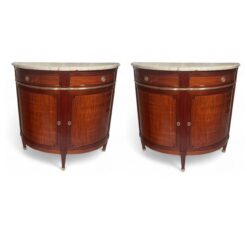
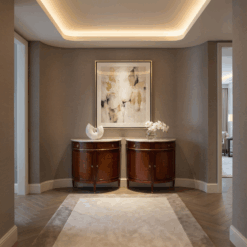
Antique Furniture and Decor
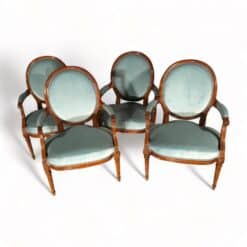
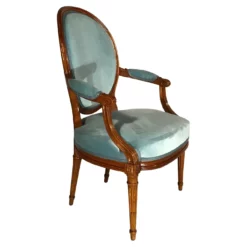
Antique and Vintage Seating
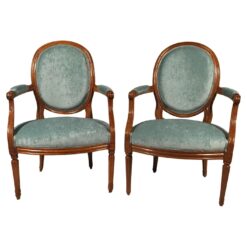
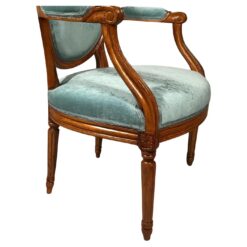
Accent chairs
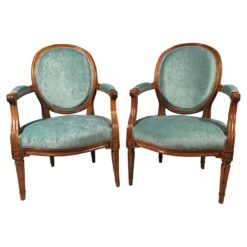
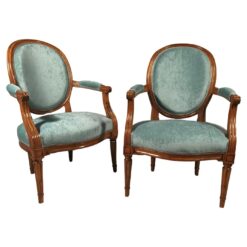
Accent chairs
Antique Furniture and Decor
Antique Furniture and Decor
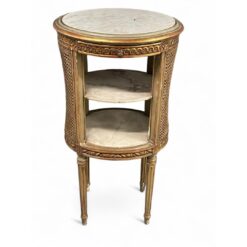
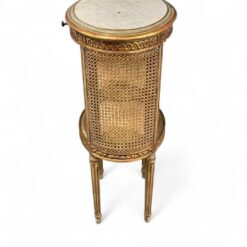
Oval Gilt Wood Side Table , Napoleon III 1850-60, Gilt Wood and Cane
Antique Furniture and Decor
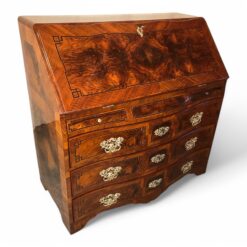
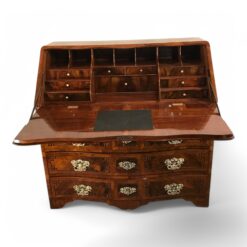
Antique Furniture and Decor
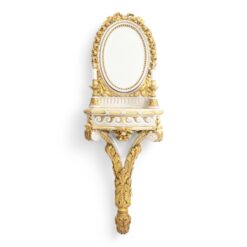
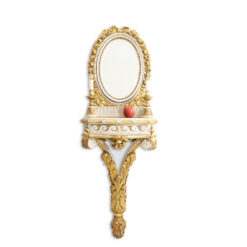
Antique Furniture and Decor
Wall Console in Gilded and Lacquered Wood in Louis XVI Style, Circa 1900
Antique Furniture and Decor
Antique Furniture and Decor
Antique Furniture Guide, Furniture, Style, Styylish History
French Directoire vs. Louis XVI Furniture: History and Design
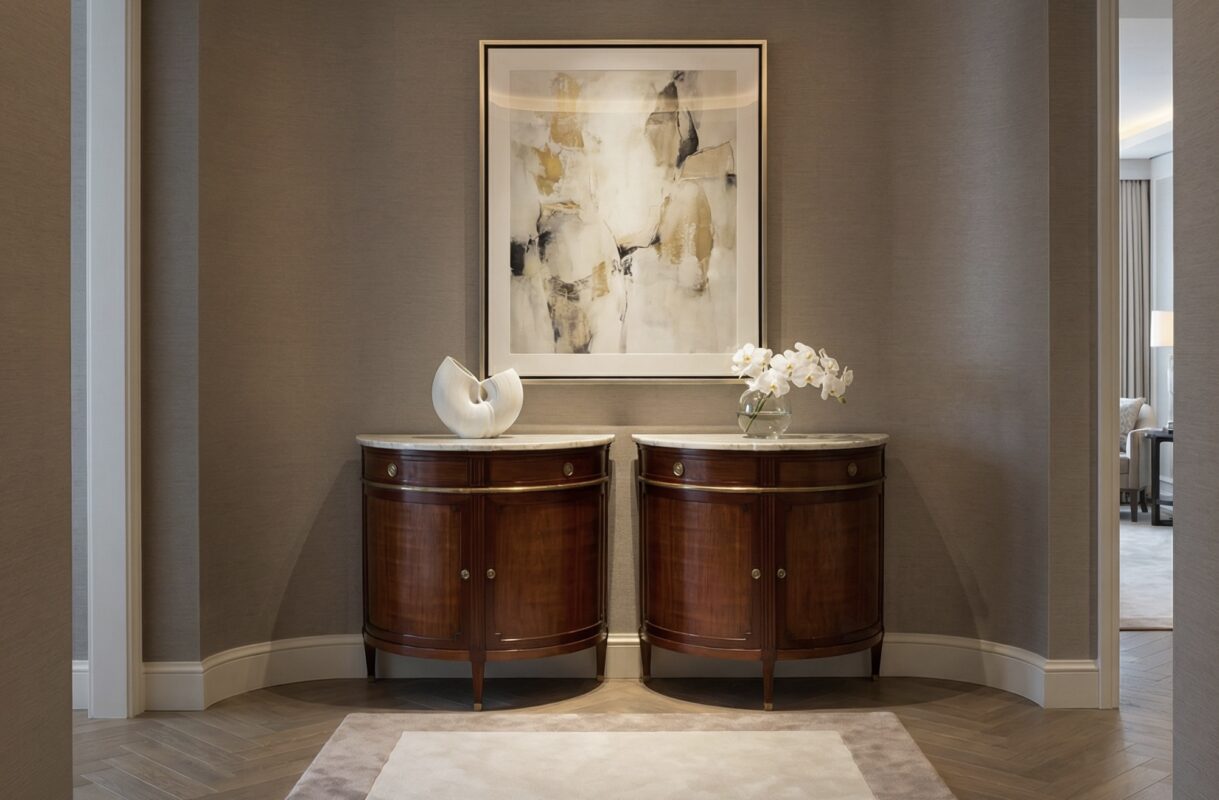
French furniture of the late eighteenth century reflects one of the most dramatic transformations in European history, and few comparisons reveal this better than Louis XVI vs Directoire furniture. From the refined salons of Versailles to the austere ideals of the French Republic, furniture design evolved rapidly as political power shifted and cultural values changed. Among the most important and closely related styles of this period are Louis XVI furniture and Directoire furniture.
Though both belong to the French neoclassical tradition and are often confused, these two styles express very different worlds. Understanding their history, design features, and influence helps collectors and interior designers identify authentic pieces and choose furniture that brings both beauty and meaning into today’s interiors.
The Rise of French Neoclassical Furniture
During the second half of the eighteenth century, French decorative arts underwent a major transformation. Inspired by archaeological discoveries at Pompeii and Herculaneum and by Enlightenment ideals, designers moved away from the playful curves of Rococo and embraced the clarity and symmetry of antiquity.
This movement gave rise to French neoclassical furniture, characterized by straight lines, balanced proportions, and classical ornament drawn from ancient Greece and Rome. Two major styles emerged from this tradition: the elegant Louis XVI style, followed by the more austere Directoire style.
Louis XVI Furniture: Refined Elegance Before the Revolution
The Louis XVI style developed between 1774 and 1792, during the reign of King Louis XVI. It represents the height of aristocratic neoclassicism and remains one of the most admired periods in French antique furniture.
Design Characteristics of Louis XVI Furniture
Louis XVI furniture is defined by elegance, lightness, and symmetry.
Key features include:
-
Straight, fluted legs inspired by classical columns
-
Geometric forms with carefully balanced proportions
-
Delicate carved ornament, never excessive
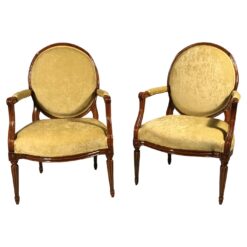
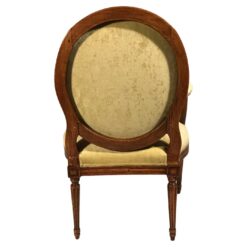
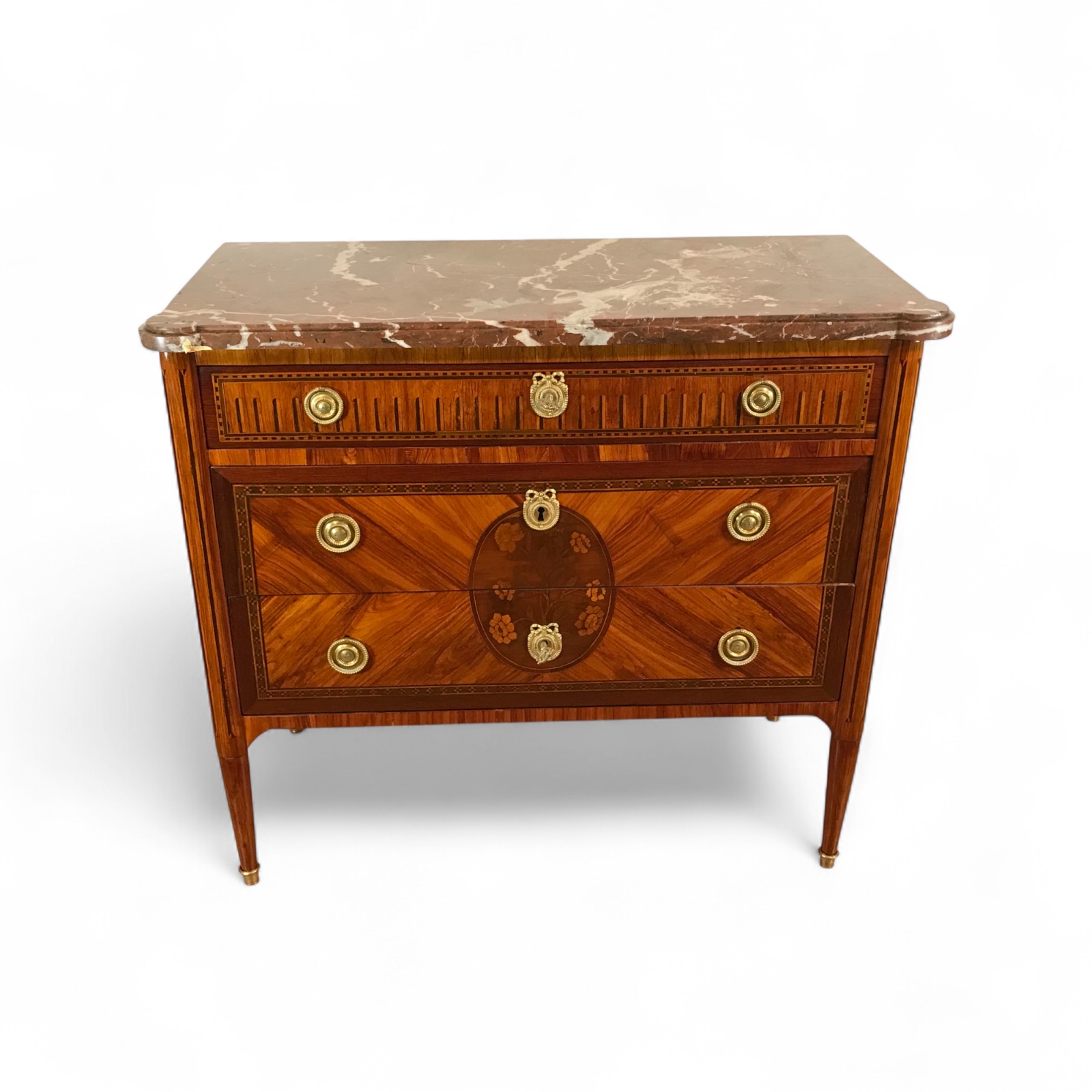
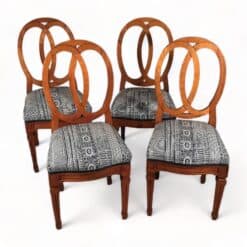
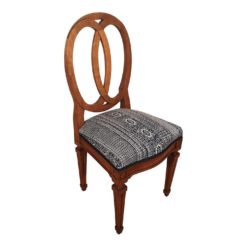
Typical motifs include laurel wreaths, rosettes, ribbons, floral garlands, and classical moldings. Chair backs are often oval or medallion-shaped, framed with refined carving.
Materials and Craftsmanship
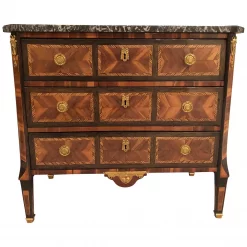
Cabinetmakers used fine woods such as mahogany, walnut, and oak, often veneered with satinwood or exotic species. Gilt bronze mounts, marble tops, and hand-carved details reflect the exceptional craftsmanship of Parisian workshops.
Louis XVI furniture conveys grace, harmony, and intellectual refinement. These pieces were designed for formal salons and aristocratic interiors, embodying the cultured elegance of the French court.
Directoire Furniture: Republican Simplicity After the Revolution
The French Revolution brought a radical break with the past. The monarchy fell, aristocratic patrons disappeared, and furniture design was reshaped by the values of the new Republic. Between 1795 and 1804, during the rule of the Directory, a new aesthetic emerged: the Directoire style.
Design Characteristics of Directoire Furniture.
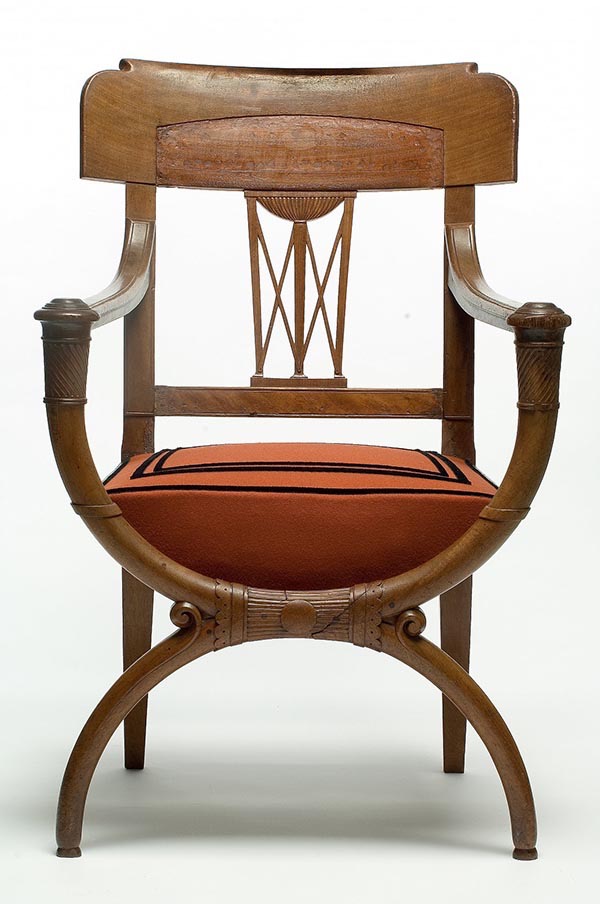
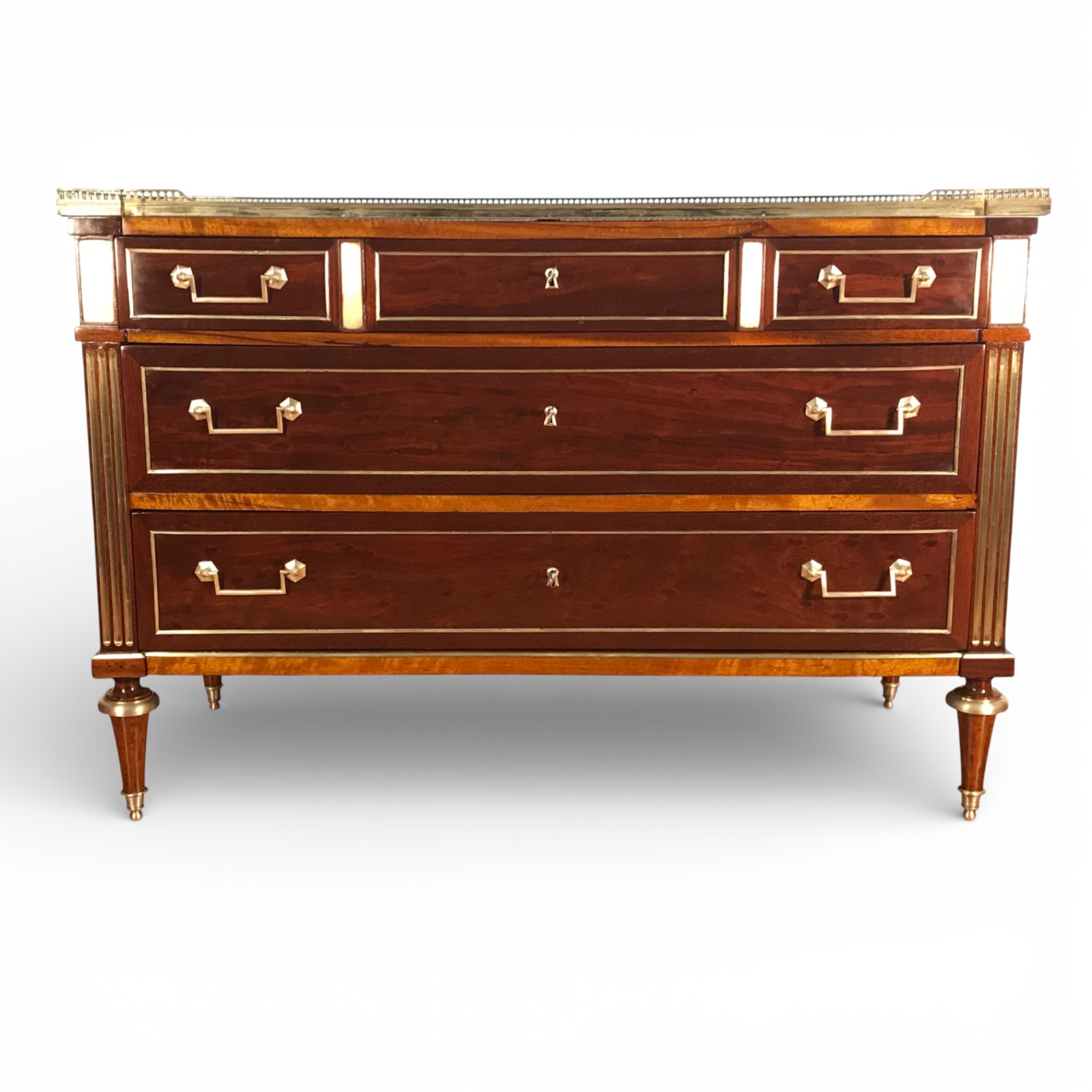
Directoire furniture remains neoclassical in structure but is noticeably more restrained and architectural.
Key features include:
-
Heavier proportions and more solid forms
-
Very straight lines and angular silhouettes
-
Minimal carving and flatter decoration
Decoration becomes symbolic rather than ornamental. Common Directoire motifs include:
-
Fasces (symbols of authority)
-
Phrygian caps (emblems of liberty)
-
Spears, shields, and antique urns
Royal emblems disappear entirely, replaced by imagery drawn from the Roman Republic and revolutionary ideals.
Materials and Finishes
Mahogany becomes the dominant wood, valued for its sober elegance and durability. Gilding is used sparingly. Painted finishes in muted greys, greens, and creams are typical of the period.
Directoire furniture reflects discipline, moral seriousness, and civic virtue — a deliberate contrast to the luxury of the ancien régime.
Louis XVI vs. Directoire Furniture: Key Differences
Although closely related, Louis XVI and Directoire furniture differ in spirit, proportions, and decorative language.
1. Philosophy and Mood
-
Louis XVI: aristocratic elegance, harmony, refined decoration
-
Directoire: republican austerity, simplicity, symbolic restraint
2. Proportions and Structure
-
Louis XVI furniture is lighter, more delicate, and finely balanced
-
Directoire pieces are heavier, sturdier, and more architectural
3. Ornament and Motifs
-
Louis XVI favors floral and classical decorative motifs
-
Directoire replaces ornament with political and Roman republican symbols
4. Overall Impression
Louis XVI furniture feels graceful and courtly.
Directoire furniture feels serious, intellectual, and surprisingly modern.
For collectors learning how to identify French antique furniture, these differences are essential in dating and authenticating pieces.
From Directoire to Empire: A Transitional Style
The Directoire period forms a bridge between Louis XVI neoclassicism and the monumental Empire style that followed under Napoleon.
As Napoleon rose to power, Directoire restraint gave way to imperial grandeur. Roman symbolism expanded into bold emblems of empire: eagles, laurel crowns, military trophies, and richly gilded bronzes.
This makes Directoire furniture particularly fascinating — a rare moment where revolutionary ideology and classical design intersect before imperial ambition took over.
Using Louis XVI and Directoire Furniture in Modern Interiors
Today, both styles are highly sought after by interior designers and collectors.
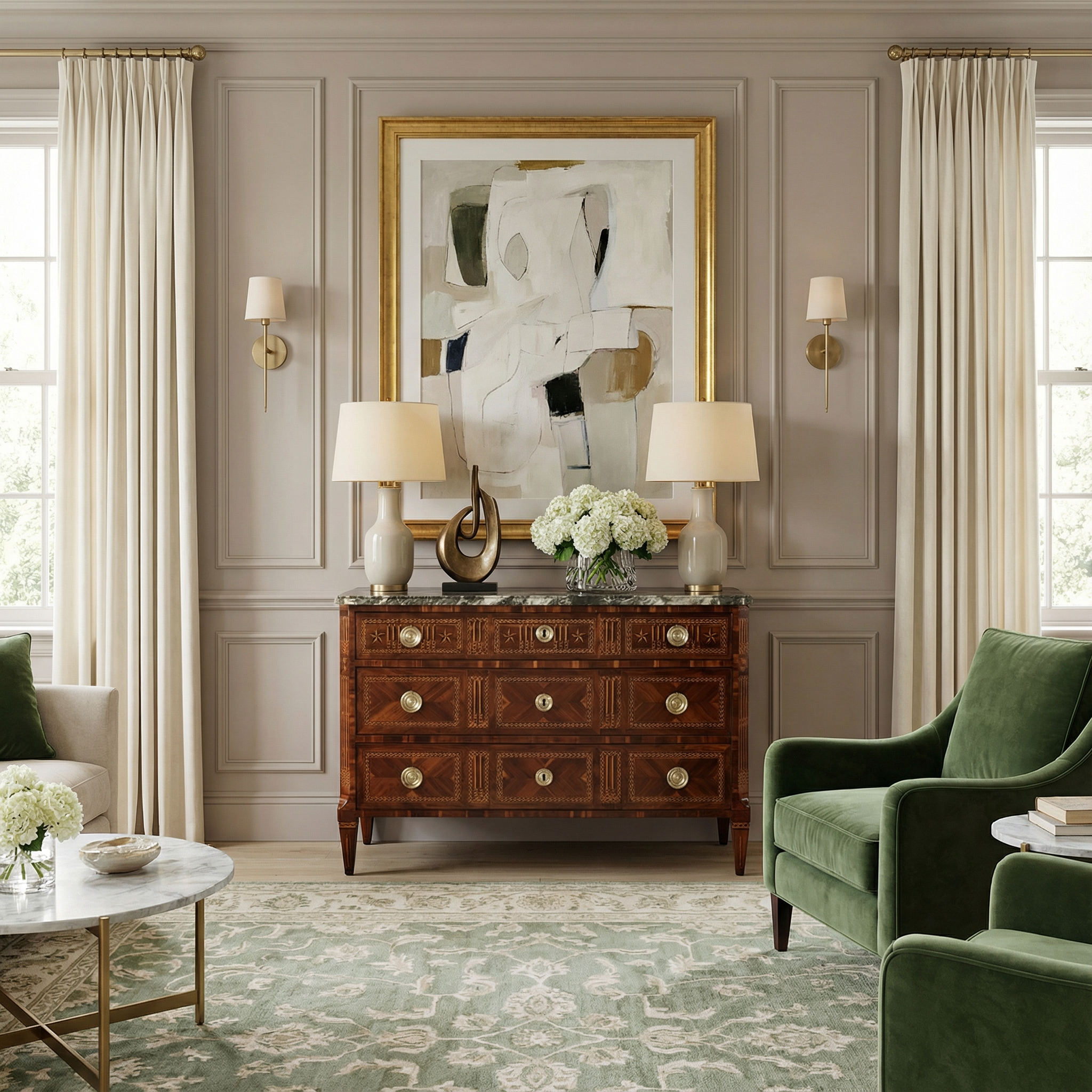
Louis XVI in Contemporary Interiors
Louis XVI furniture adds softness and refinement to:
-
Dining rooms and formal living spaces
-
Bedrooms and dressing rooms
-
Transitional interiors combining classic and modern elements
An antique Louis XVI chair or commode introduces elegance without overwhelming the space.
Directoire in Contemporary Interiors
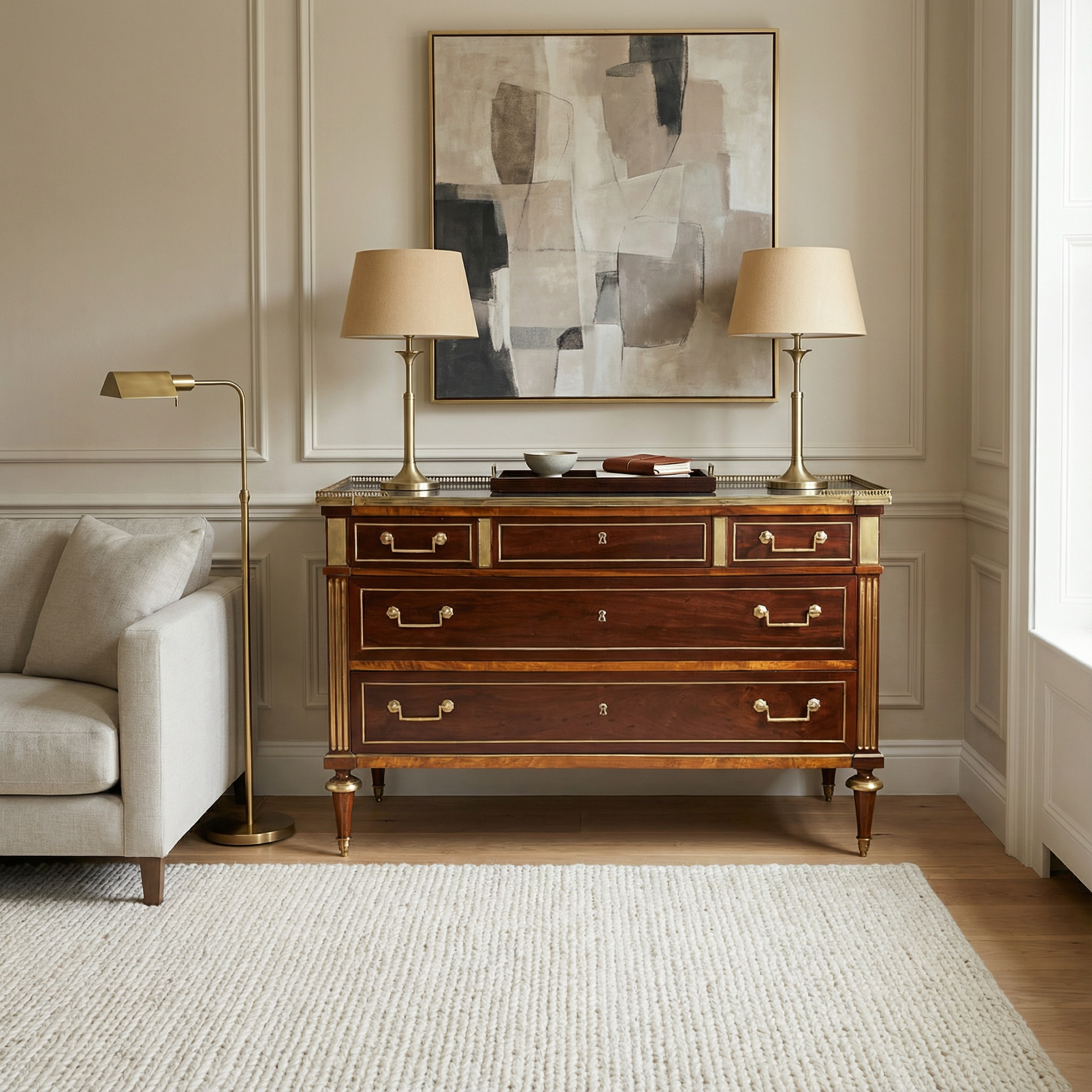
Directoire furniture works beautifully in modern and minimalist interiors. Its clean lines and restrained decoration feel timeless and architectural.
A Directoire table, console, or commode can anchor a room with quiet authority and historical depth.
At Styylish, we often recommend mixing a single neoclassical antique with contemporary furnishings to create contrast, character, and lasting beauty.
Conclusion: Two Styles, One Extraordinary Era
Louis XVI and Directoire furniture tell the story of France at a turning point — from royal refinement to republican virtue, from elegance to discipline.
Both styles remain among the finest expressions of French craftsmanship and neoclassical design. Whether drawn to the graceful harmony of Louis XVI or the sober strength of Directoire, collectors and designers alike find in these pieces not only beauty, but history, meaning, and permanence.
For those seeking authentic French antique furniture that transcends trends, these two styles continue to offer timeless inspiration.

Silke Berlinghof
People also buy
Antique and Vintage Seating
Antique Furniture and Decor
Antique Furniture and Decor
Antique and Vintage Seating
Antique Furniture and Decor
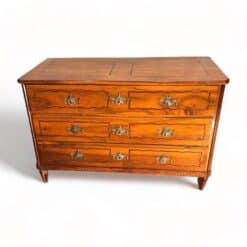
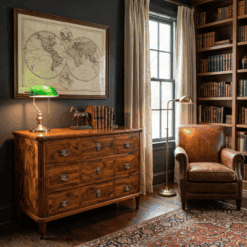
Antique Furniture and Decor
Accent chairs
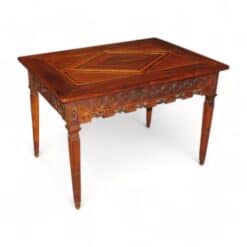
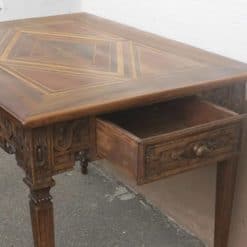
Antique Farm Tables
Antique and Vintage Seating
Antique Furniture and Decor
Antique Furniture and Decor
Antique Furniture and Decor