
Best Sellers
Antique Furniture and Decor
Desks and Secretary Desks
Antique Furniture and Decor
Antique Furniture and Decor
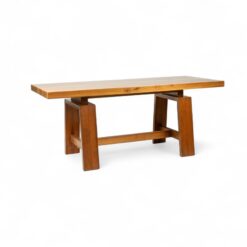
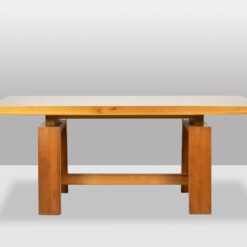
Desks and Secretary Desks
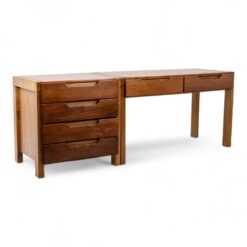
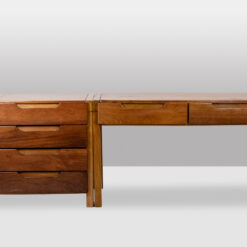
Desks and Secretary Desks
Antique Furniture and Decor
Antique Furniture and Decor
Antique Furniture and Decor
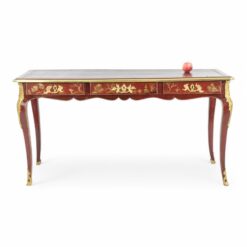
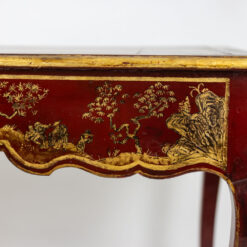
Louis XV Style Flat Desk Decorated with Lake Scenes, Circa 1850
Antique Furniture and Decor
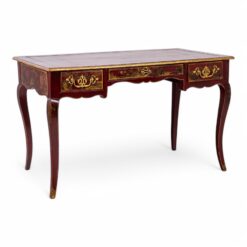
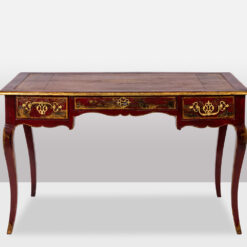
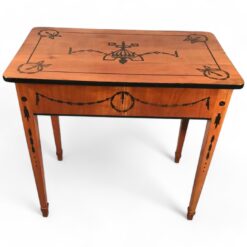
Louis XV Style Flat Desk Decorated with Lake Scenes, Circa 1800
Antique Furniture and Decor
Antique Furniture and Decor
Antique Furniture Guide, Furniture, Styylish History
The Bureau Plat: History, Evolution, and Why This French Writing Desk Never Goes Out of Style
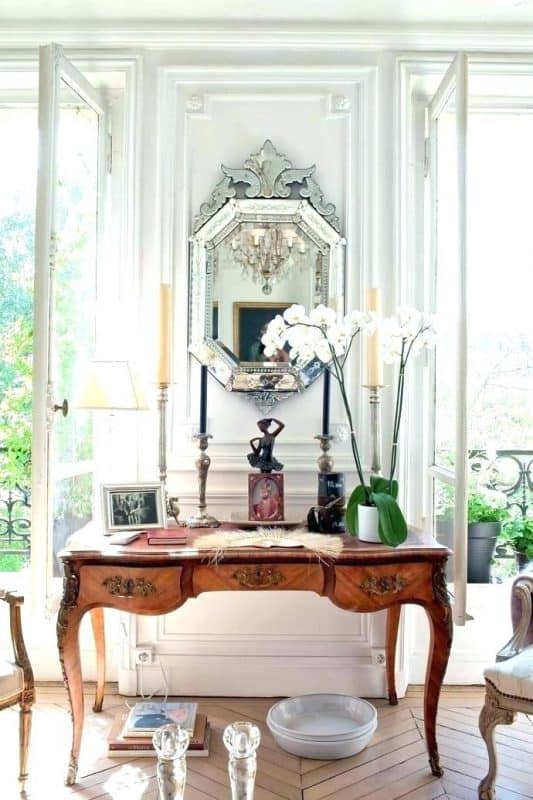
The Bureau Plat is one of the most iconic pieces of French furniture. Originally created in the late 17th century, this elegant writing desk has remained a symbol of craftsmanship, refinement, and timeless design for more than 300 years. Today, collectors, interior designers, and homeowners continue to seek antique Bureau Plats for their versatility and enduring appeal.
At Styylish, bureau plats regularly attract designers looking for an antique desk that combines craftsmanship with versatility. Understanding their history and design makes it easier to recognize quality examples and appreciate why they continue to command attention today.
What Is a Bureau Plat?
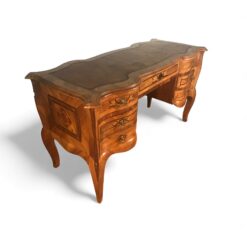
The term bureau plat translates from French as “flat desk.” Unlike a secretary desk or writing cabinet, a bureau plat has no tall upper section. Instead, it consists of a flat writing surface supported by four legs, usually with drawers concealed beneath the top.
Most bureau plats were designed to stand freely in a room rather than against a wall. As a result, cabinetmakers often veneered and finished all four sides to the same high standard. This allowed the owner to receive visitors from the front while maintaining an elegant appearance from every angle.
Today, that same feature makes the French desk especially appealing in contemporary interiors, where furniture often serves as a focal point rather than simply lining the walls.
The Origins of the Bureau Plat
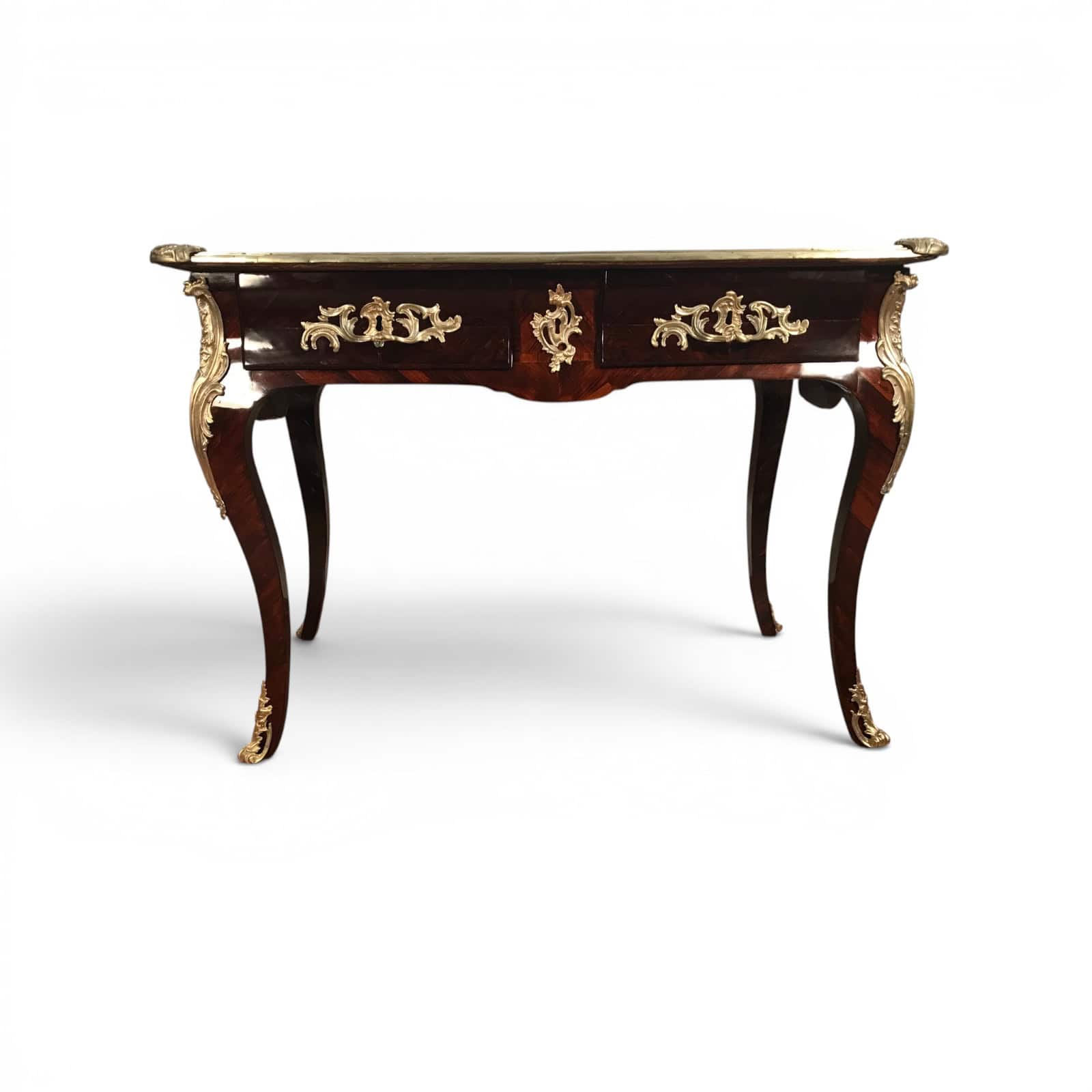
The bureau plat first appeared in France during the reign of Louis XIV in the late 17th century. As government administration expanded and private libraries became more common, the demand for sophisticated writing furniture increased.
Early desks reflected the grandeur of the French court. Cabinetmakers used richly figured woods, elaborate marquetry, gilt bronze mounts, and luxurious leather writing surfaces. These desks became symbols of education, status, and refinement.
The finest examples came from Parisian workshops, where master ébénistes produced furniture for aristocratic clients and the royal court. Many of these craftsmen signed their work, making authenticated examples highly sought after today.
How the Design Evolved
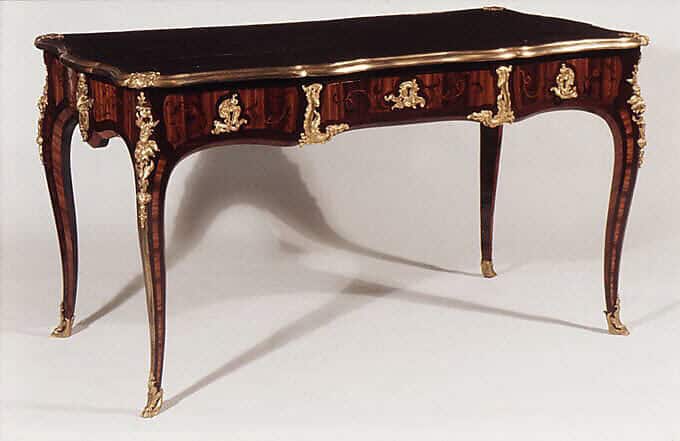
During the Louis XV period, bureau plats became lighter and more graceful. Cabinetmakers introduced curved legs, flowing lines, and richly chased bronze mounts inspired by the Rococo style. Rosewood, kingwood, tulipwood, and tropical wood veneers became increasingly popular.
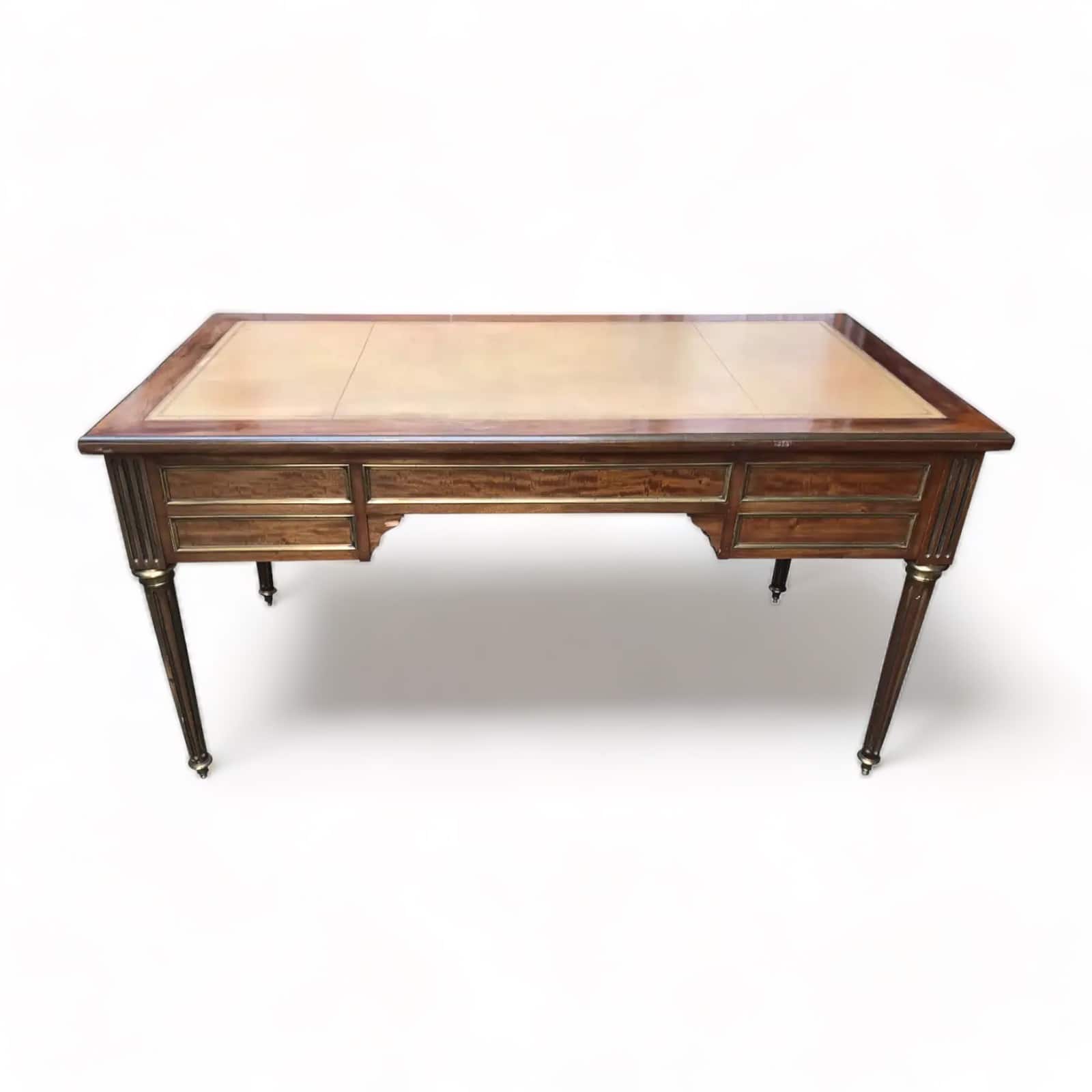
The Louis XVI period brought a return to classical symmetry. Straight fluted legs replaced cabriole legs, while decoration became more restrained. Geometric marquetry, elegant brass mounts, and refined proportions reflected the influence of ancient Greek and Roman architecture.
Following the French Revolution, the Directoire and Empire periods simplified the form even further. Ornament became more architectural, and mahogany emerged as the preferred wood. Many collectors appreciate these later desks for their understated elegance, which fits naturally into modern interiors.
Materials and Craftsmanship
One reason bureau plats have survived for centuries is the remarkable quality of their construction.
Cabinetmakers carefully selected veneers to showcase dramatic wood grain. Common species included mahogany, walnut, rosewood, kingwood, satinwood, and amaranth. Many desks feature intricate marquetry created from contrasting veneers, while others celebrate the natural beauty of a single wood species.
Most bureau plats also feature bronze mounts, often known as ormolu. These decorative elements protect vulnerable corners while adding visual refinement. Handles, escutcheons, sabots, and corner mounts were cast, chased, and gilded by specialist craftsmen before being fitted to the finished desk.
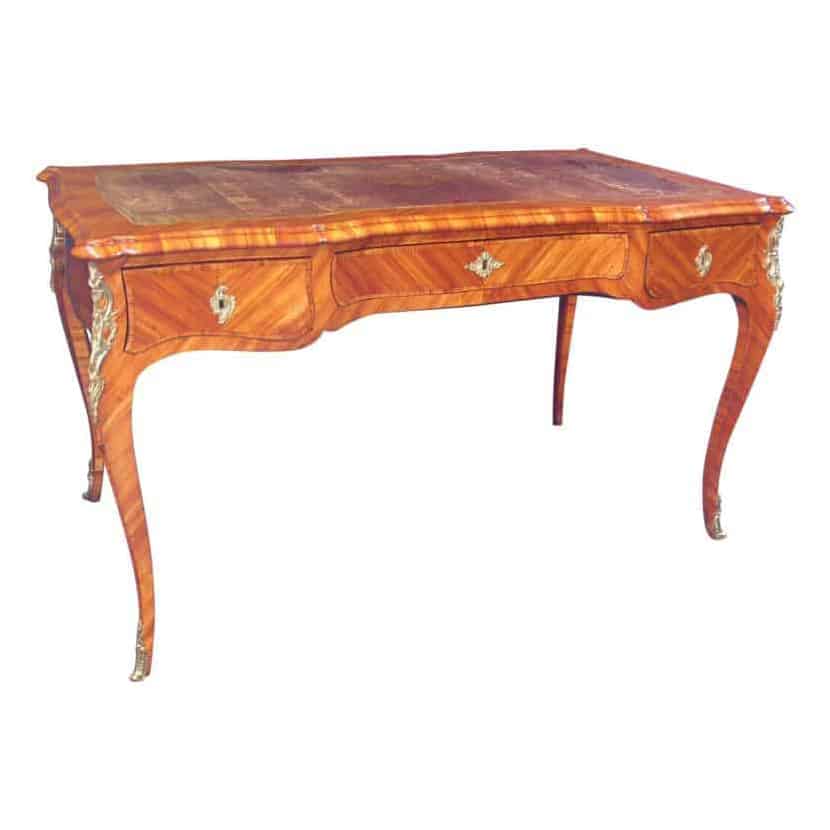
The writing surface traditionally consists of leather, often decorated with gold tooling around the edges. While leather naturally wears over time, many antique bureau plats retain their original writing surface or have been carefully restored using traditional techniques.
How to Identify an Authentic Bureau Plat
Authentic antique bureau plats display exceptional craftsmanship and balanced proportions.
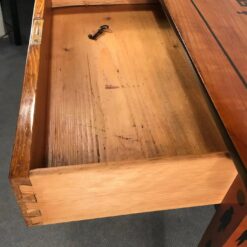
Look for hand-cut dovetail joints in the drawers and finely fitted veneers with carefully matched grain. Bronze mounts should feel substantial and display crisp chasing rather than soft cast details. Drawer interiors often reveal oak or other secondary woods commonly used by French cabinetmakers.
Signs of age are also important. A well-preserved antique desk may show a gentle patina, minor wear consistent with centuries of use, and subtle color variations in the wood. Professional restoration can stabilize the structure while preserving these historic qualities.
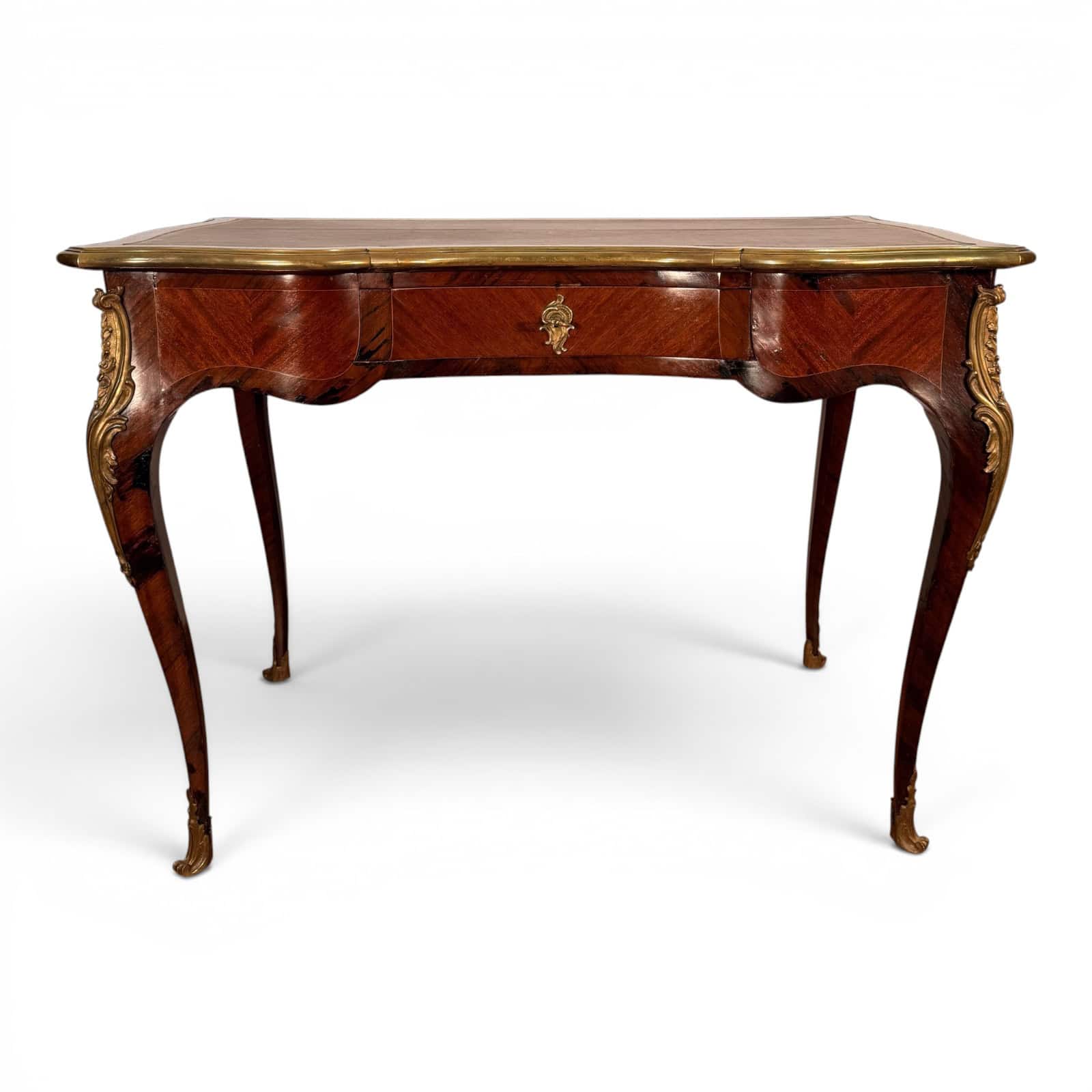
Original condition is valuable, but thoughtful restoration often allows these desks to remain functional for another generation without sacrificing authenticity.
Why Interior Designers Love Bureau Plats
Few antique furniture forms adapt as easily to contemporary interiors.
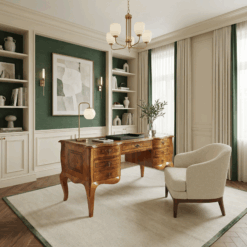
These desks work beautifully as home office desks, library tables, writing desks, or even elegant consoles in a large entry hall. Since all sides are finished, designers frequently position it in the center of a room, allowing the furniture to define the space rather than simply occupy it.
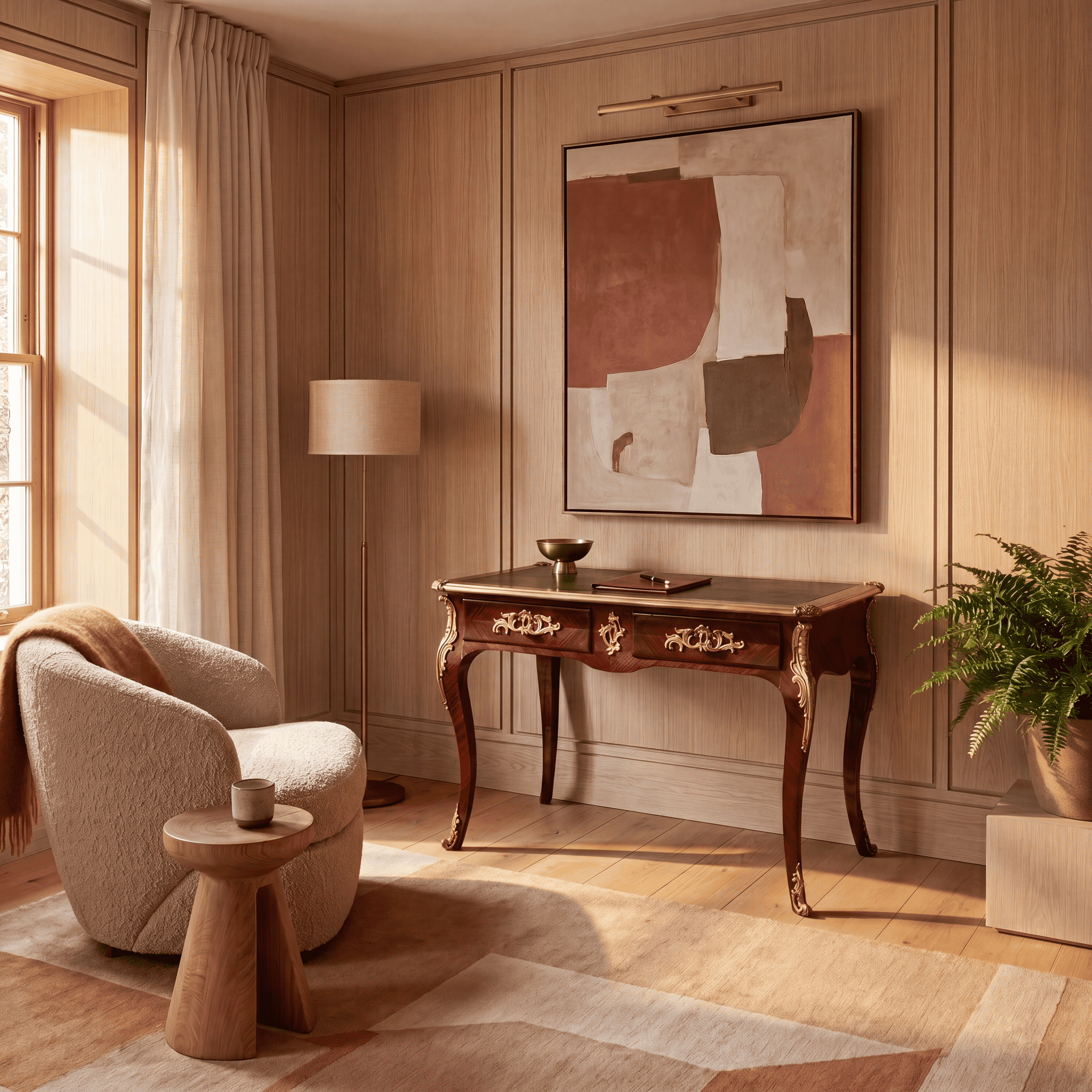
Its clean silhouette also pairs surprisingly well with modern seating, contemporary lighting, and abstract art. Many designers enjoy combining a Louis XVI bureau plat with minimalist interiors, creating a dialogue between historic craftsmanship and modern architecture.
The result feels collected rather than decorated.
Investing in a Bureau Plat
A quality bureau plat offers more than historical significance. It provides everyday functionality while serving as an enduring investment in craftsmanship.
Unlike mass-produced furniture, antique French desks were built using traditional joinery, premium materials, and meticulous hand-finishing. Their timeless proportions ensure they remain relevant regardless of changing design trends.
Whether furnished with original leather, decorated with elaborate marquetry, or crafted from beautifully figured mahogany, each bureau plat reflects the skill of the cabinetmaker who created it centuries ago.
For collectors, designers, and homeowners alike, the bureau plat remains one of the finest expressions of French furniture design. It combines elegance, practicality, and exceptional craftsmanship in a form that has never gone out of style.
If you are looking for an authentic French bureau plat or another exceptional antique writing desk, explore the curated collection at Styylish, where every piece is selected for its quality, historical significance, and enduring design.

Silke Berlinghof
People also buy
Antique Furniture and Decor
Louis XV Style Flat Desk Decorated with Lake Scenes, Circa 1850
Contemporary Furniture
Antique Furniture and Decor
Antique Furniture and Decor
Antique Furniture and Decor
Antique Furniture and Decor
Desks and Secretary Desks
Desks and Secretary Desks
Antique Furniture and Decor
Antique Furniture and Decor
Louis XV Style Flat Desk Decorated with Lake Scenes, Circa 1800
Antique Furniture and Decor
Antique Furniture and Decor